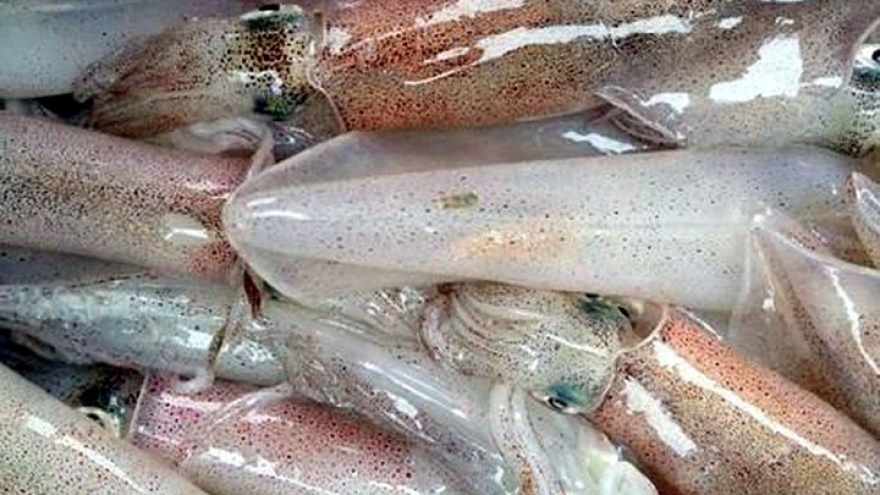
Squid, octopus exports pick up early in 2026

Vietnam’s exports of squid and octopus reached more than US$111 million in the first two months of 2026, up 23% year on year, reflecting a positive start for the sector and early signs of recovering demand across several markets.
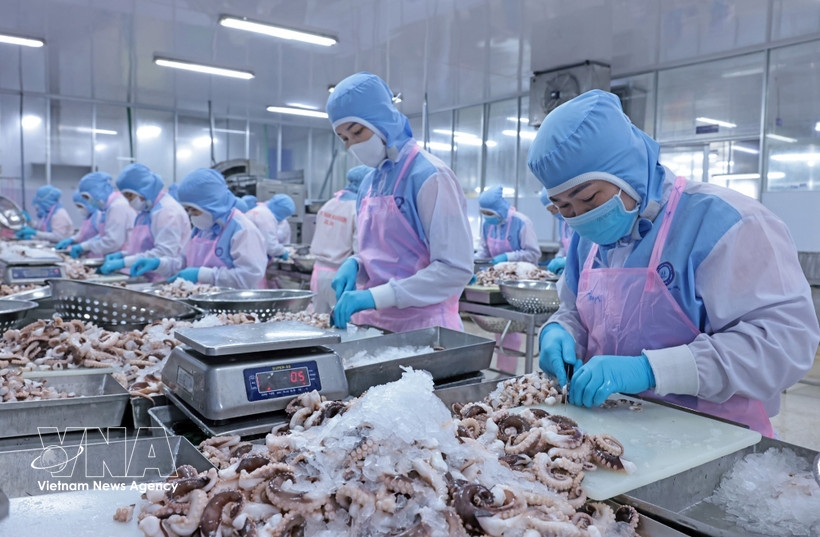
In terms of product structure, squid has emerged as the main growth driver. Export turnover of squid exceeded US$64 million, rising nearly 30%, while octopus exports brought in more than US$47 million, up over 16%. The development indicates that demand for squid products is recovering faster in the short term.
By market, Asia continued to act as the key engine of growth. The Republic of Korea remained the largest importer with nearly US$42 million, an increase of almost 23%, followed by Japan with close to US$26 million, up around 8%. Notably, exports to China surged by more than 85%, while shipments to Thailand rose by over 41%, showing clearly improving regional purchasing power. In contrast, exports to the European Union declined by about 14.5%.
Despite the encouraging outlook, the sector still faces multiple challenges. Similar to other seafood exports, shipments of squid and octopus are being affected by tensions in the Middle East, which may push up logistics and transport costs and prolong delivery times. Persistently high fuel prices are also increasing fishing costs, placing pressure on fishermen and the supply of raw materials for processing. In addition, unstable domestic supply continues to affect the ability to meet export orders.
Furthermore, the European Union’s “yellow card” warning on illegal, unreported and unregulated (IUU) fishing remains a significant barrier, impacting the industry’s reputation and prospects for market expansion in the bloc. In this context, businesses are advised to proactively adapt to cost fluctuations, diversify supply sources and make better use of opportunities in Asian markets, which have been leading growth momentum since the beginning of the year.
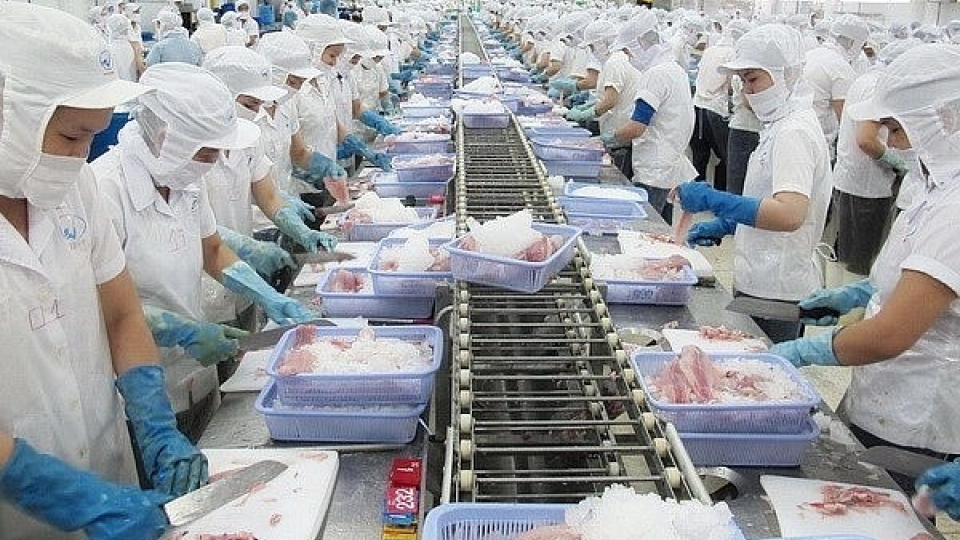
Squid and octopus exports set to climb 15% in final quarter
VOV.VN -Vietnam’s squid and octopus exports are likely to increase by 10-15% in the fourth quarter of 2025 compared with the third quarter, if domestic raw material supply remains stable, according to the Vietnam Association of Seafood Exporters and Producers (VASEP).