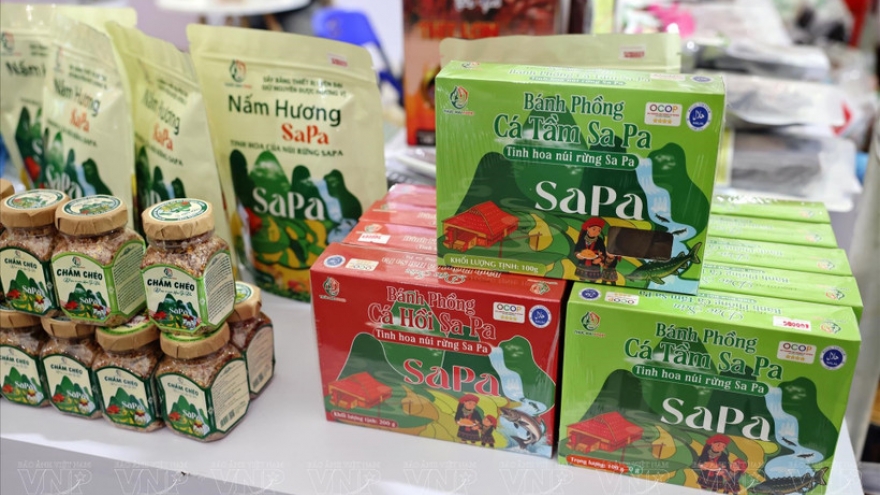
Spring Fair: International visitors impressed by dynamic, culturally rich Vietnam

The 2026 Spring Fair has left a strong impression on both domestic visitors and international guests, drawing unexpectedly large crowds.
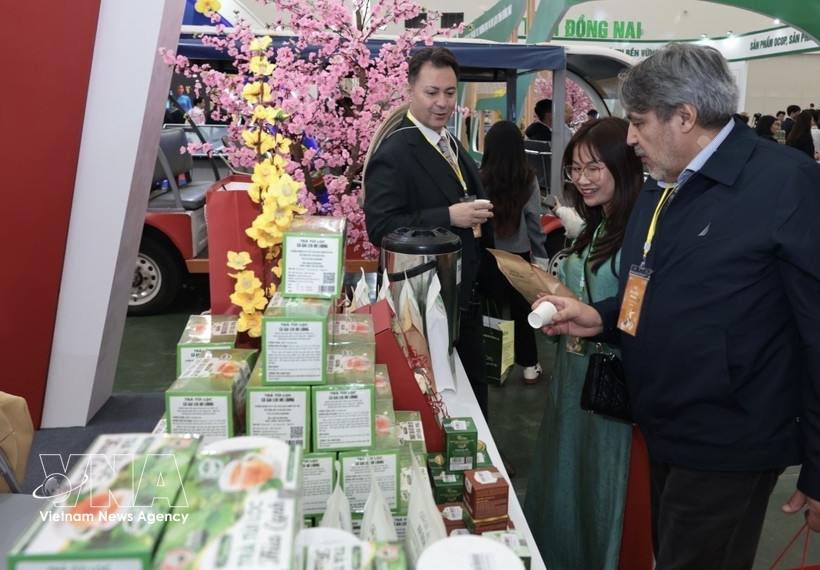
From those keen simply to explore and learn about Vietnamese culture to business leaders seeking new partnership opportunities, attendees have discovered a Vietnam that is culturally distinctive, dynamic and creative.
Set against the lively backdrop of preparations for the traditional Lunar New Year (Tet), the expansive fairgrounds were vibrantly arranged with hundreds of stalls. Beyond offering shopping opportunities, the event provided visitors with an immersive journey through the country’s diverse regional cultures.
Shopping combined with cultural experience
During the course of the fair, Giuseppe, a visitor from Italy, returned three times because of his genuine love for Vietnam’s agricultural produce and handicrafts.
He said the space is vast and the variety of products quite overwhelming. There are many high-quality items, the tea is excellent and the food is wonderful. Each stall tells a story about the land and the people behind the products. That makes the shopping experience far more meaningful.
The visitor said he feels as though he is not simply buying an item, but taking home a part of Vietnamese culture.
Maria Lopez, a tourist from Spain, spent considerable time admiring handicrafts, watching circus performances on the main stage and sampling regional specialities.
According to her, she previously bought Vietnamese handicrafts in Europe, but only when she came here and met the artisans directly did she truly understand the value of each product. The meticulous craftsmanship, the refinement and the preservation of tradition are very evident, she remarked.
In her view, Vietnamese products are fully capable of competing on the international market if supported by stronger promotion and more effective distribution channels. Vietnamese enterprises, she suggested, should step up communications efforts and seek suitable partners to bring their goods into European markets.
Thomas, a visitor from the UK, spent an afternoon exploring the stalls with his wife and daughter. His wife particularly loves the handicrafts while his daughter tried many Vietnamese dishes for the first time. He said it has been an enjoyable experience and quite different from what they previously knew about the country.
Thomas said the fair presents an image of a modern Vietnam that nonetheless retains its traditions.
A bridge for trade, international cooperation
Beyond its cultural appeal, the Spring Fair has also been widely regarded as an effective platform for trade promotion.
Kenji Tanaka, a Japanese entrepreneur seeking suppliers of agricultural produce and processed foods, expressed particular admiration for the scale of the event and the participation of businesses nationwide. Fairs such as this, he observed, enable international firms to connect directly with manufacturers, thereby shortening the path to cooperation.
What stands out to him is that Vietnamese businesses are placing increasing emphasis on quality standards, packaging and safety certification. These are crucial factors for entering Japan and other demanding markets, Tanaka said.
Victor Bernat, a food distributor from Poland, devoted much of his time to exploring Vietnamese tea, coffee and spices.
He held that Vietnam clearly has significant potential in agricultural products. The quality of the coffee and tea is very good, with distinctive flavours. With stronger branding in Europe, Bernat said, these products will be warmly received.
Processed and frozen foods, particularly local specialities with unique flavours, may take time to win over foreign palates as the spices are quite new, according to him.
More than its commercial value, the fair has fostered connections – between products and consumers, between producers and international partners, and between Vietnam and friends across the globe.
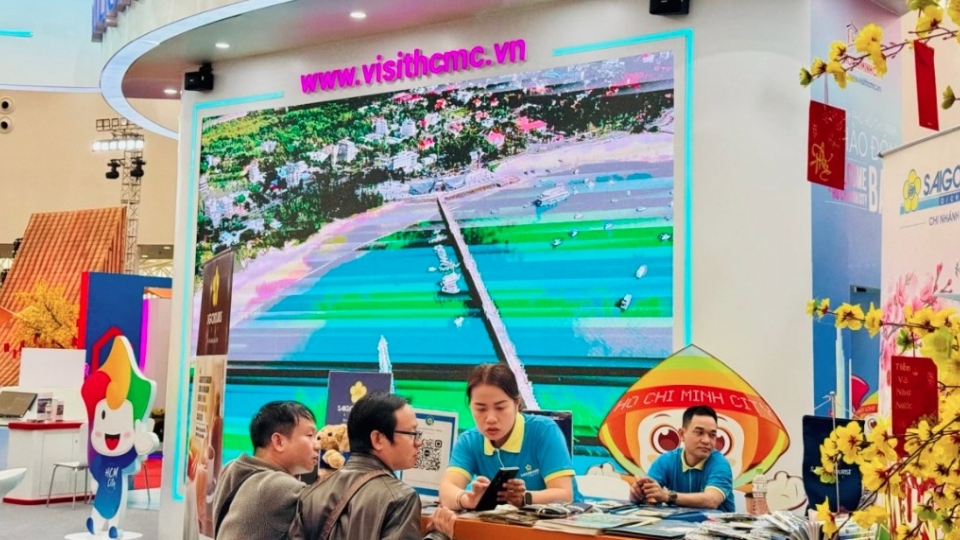
Tourism businesses roll out major deals at Spring Fair 2026
VOV.VN - The Spring Fair 2026, the largest of its kind in Vietnam held from February 2-13, has brought together provinces, travel agencies, hotels, resorts and transportation companies from across the country, offering visitors comprehensive travel information and attractive promotions for their upcoming trips.