Seafood exports up 8% in Q1

Vietnam’s seafood exports posted steady growth in the first quarter of 2026, reaching an estimated US$2.64 billion, up nearly 8% year-on-year, supported largely by strong demand from China despite mixed performance across major markets.
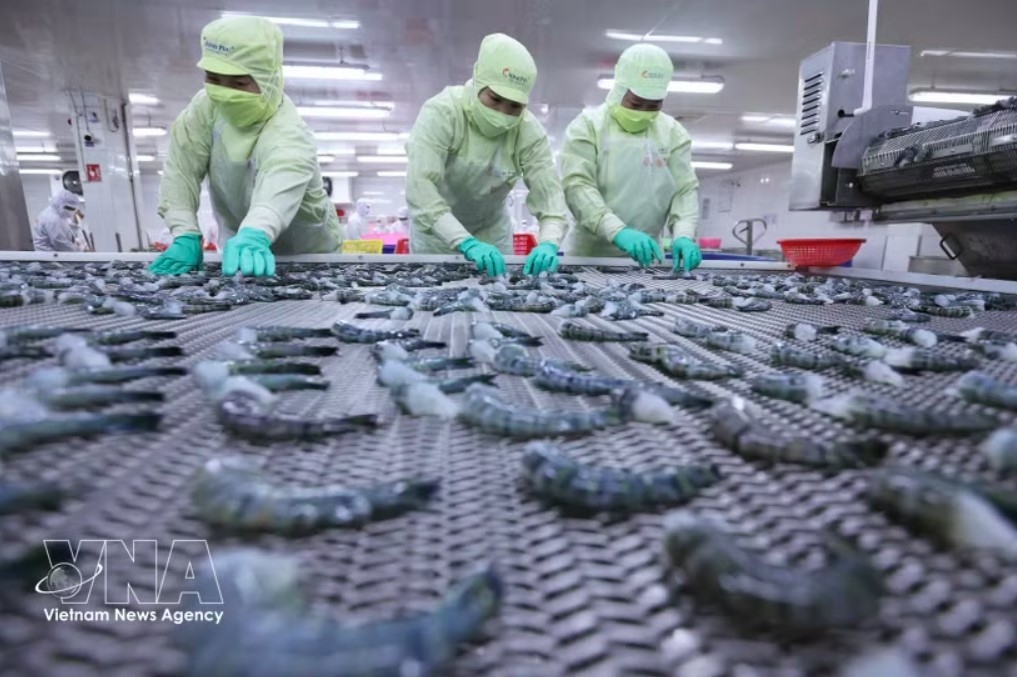
Export turnover in March alone was estimated at around US$927 million, increasing more than 5% compared to the same period last year. However, the Vietnam Association of Seafood Exporters and Producers (VASEP) noted that growth slowed considerably from the roughly 20% expansion recorded in the first two months, reflecting rising volatility in global seafood demand.
China remained Vietnam’s largest seafood importer during the quarter, with export value reaching approximately US$764 million, surging nearly 45% year-on-year. In March alone, shipments to the market exceeded US$250 million, marking growth of more than 50%.
The strong performance in China played a decisive role in maintaining overall sectoral growth as exports to several traditional markets, including the US, Japan and the Republic of Korea (RoK), declined.
According to Le Hang, Deputy Secretary General of VASEP, China emerged as the main growth driver thanks to seasonal consumption, stable demand and favourable logistics conditions. Lunar New Year consumption boosted imports of whole shrimp, live seafood and premium products from late 2025 through early 2026, contributing to sharp increases in high-value items such as lobster.
Demand in China’s mid- and high-end segments also remained resilient. Shrimp imports rose by about 18% in the first two months of the year, while tariff changes and supply disruptions affecting Canadian lobster created opportunities for alternative suppliers, including Vietnam.
Vietnamese exporters also benefited from geographic proximity and flexible supply chains, enabling them to respond quickly to short-term demand surges during peak consumption periods.
However, Hang cautioned that part of the strong growth reflected seasonal factors rather than long-term structural recovery. Increased exports were partly driven by stockpiling and festive demand, meaning growth could moderate in the coming months.
China’s growing influence also reshaped the industry’s export structure. In the shrimp segment, growth was largely driven by lobster, while whiteleg shrimp, Vietnam’s key product in the US and EU markets, remained largely flat, highlighting uneven recovery among product segments. Pangasius exports also relied heavily on China, which continued to serve as the largest consumption market for the product.
Other seafood categories, including crab, swimming crab and molluscs, benefited from rising demand across Asian markets. Meanwhile, tilapia exports maintained strong momentum following gains in 2025, with Q1 export value estimated at US$35 million, soaring about 190% year-on-year.
Despite positive results, VASEP warned that heavy reliance on a single market carries risks. Changes in China’s import policies, border controls or quality regulations could quickly affect trade flows and lead to short-term export fluctuations. In addition, the market’s strong seasonality means demand may slow after the early-year peak, particularly if inventories rise.
Competitive pressure is also intensifying, especially from major suppliers such as Ecuador, reinforcing the need for Vietnam’s seafood industry to diversify export markets to ensure sustainable growth.
Meanwhile, recovery in other major markets remained limited. Seafood exports to the US fell by more than 10% in Q1, continuing to face weak demand and technical barriers, including Certificates of Analysis (COA) requirements under the Marine Mammal Protection Act (MMPA) and anti-dumping duties on shrimp. Exports to Japan and the RoK also declined by around 10%, reflecting subdued consumption.
Exports to the EU were largely unchanged, indicating stable but insufficient demand to drive growth, although opportunities remain for whitefish and sustainably certified products. On a positive note, ASEAN, Australia and several emerging markets maintained growth momentum, helping diversify export destinations.
VASEP forecasts seafood exports will continue to expand in the second quarter, though growth is expected to vary across markets and product categories. Shrimp and pangasius are likely to remain key growth pillars, while China, including Hong Kong, is expected to continue contributing significantly to export expansion.
In the context of persistent challenges in traditional markets, exporters are encouraged to diversify customers, prioritise nearby markets with logistical advantages, and maximise tariff incentives from free trade agreements (FTAs) to sustain growth momentum.
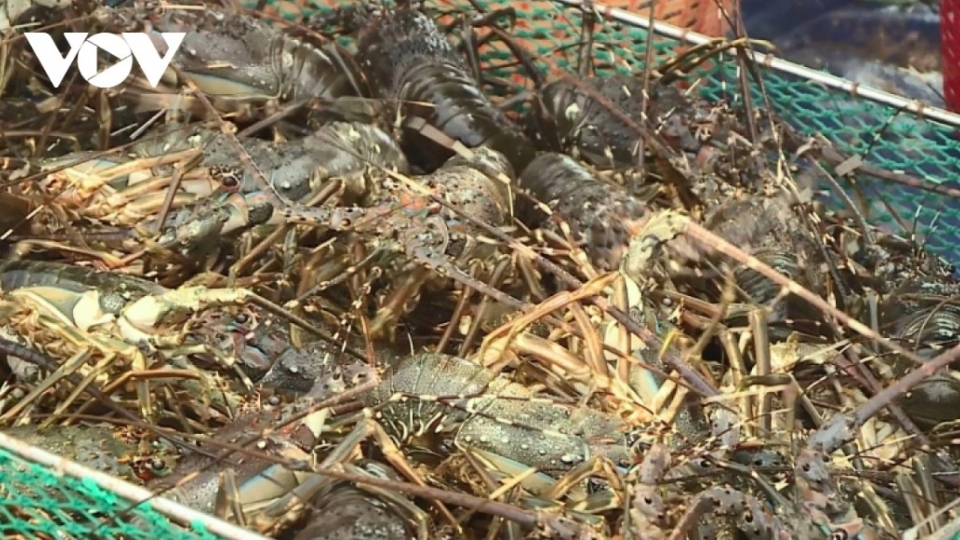
Lobster leads surge in Vietnam’s early-2026 seafood exports
VOV.VN - Vietnam’s seafood exports opened 2026 on a strong note, driven by a 20% rise in shrimp revenue to US$690 million, with lobster emerging as the standout performer, soaring 65% to US$259 million year on year.