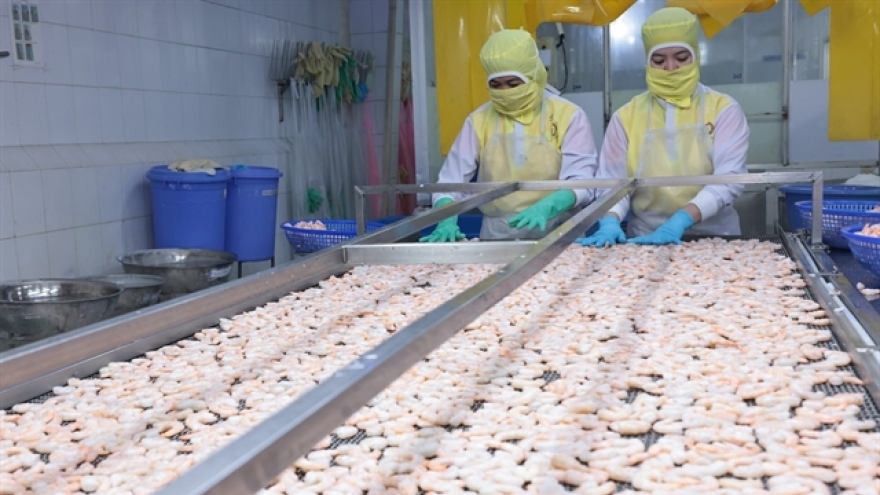
Lobster leads surge in Vietnam’s early-2026 seafood exports

VOV.VN - Vietnam’s seafood exports opened 2026 on a strong note, driven by a 20% rise in shrimp revenue to US$690 million, with lobster emerging as the standout performer, soaring 65% to US$259 million year on year.
According to the Vietnam Association of Seafood Exporters and Producers (VASEP), seafood exports brought back approximately US$707 million in February, up 8%, raising Jan.-Feb. exports to US$1.7 billion, up 20.2%.
VASEP noted that the industry’s recovery momentum remains strong following a sharp increase in January, although growth moderated in February across several key products and major markets.
Shrimp continued to dominate export performance, generating around US$310 million in February (up 17%), and nearly US$690 million in the first two months (up 20%).
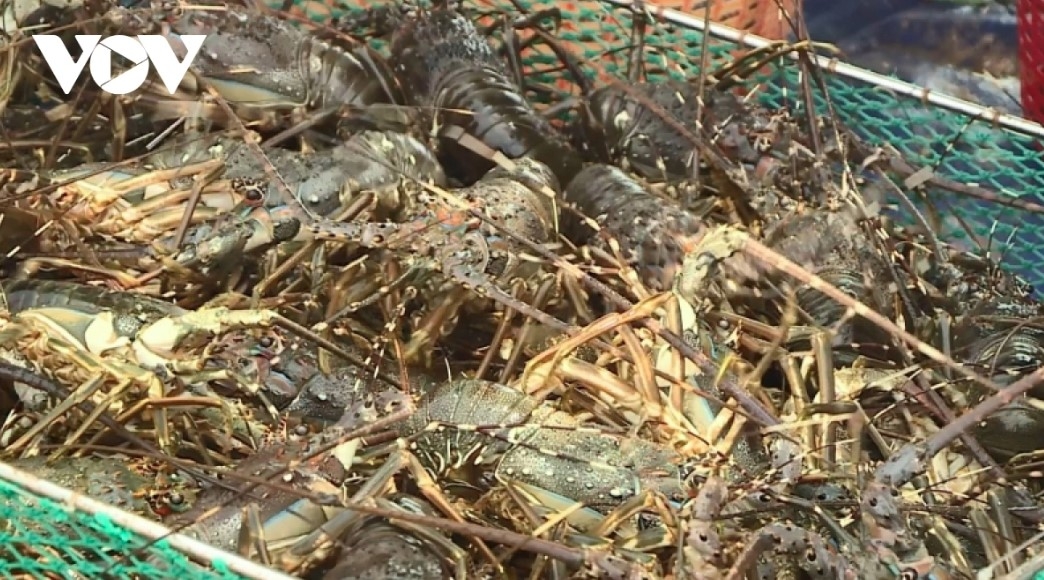
A standout development is the exceptional growth of lobster exports, which generated US$259 million, a remarkable 65% increase compared to the same period last year.
Within this segment, green lobster exports totaled US$206 million, up 32%, spiny lobster reached nearly US$1.3 million, up 43%, and other lobster varieties recorded US$52 million, surging by over 6,100%.
Meanwhile, whiteleg shrimp was the leading product, accounting for US$341.5 million (49.5% of total shrimp exports), though growth was modest at 4.5%. Black tiger shrimp exports hit US$44.6 million, up 13%.
Pangasius exports showed signs of recovery, although shipments to the United States declined by 20%, while exports to China increased by 15%. Overall declines in some markets were partly attributed to the Lunar New Year holiday effect.
In contrast, tuna exports raised concerns, with February turnover at US$ 53.3 million, down 14.7%. Total exports in the first two months stood at US$128.7 million, nearly flat with a slight decline of 0.2%, reflecting pressures from weak demand, logistics costs, and regulatory challenges.
China and Hong Kong (China) stood out as the strongest growth markets, with exports in February soaring 82% and jumping US$513.5 million in the first two months, up 54% year on year. Seasonal demand during the Lunar New Year significantly boosted imports of live and fresh seafood.
ASEAN markets also performed well, totaling US$118.6 million (+21.5%) over two months, despite a slight decline in February. The EU maintained steady growth (+16.9%), while Japan showed modest gains overall (+4.8%) but weaker demand in February.
While the United States continues to be a major market, it is no longer expected to serve as a primary growth engine this year, according to VASEP.
In the context of shifting tariff policies and technical barriers in the US, along with logistics disruptions linked to Middle East tensions, China is set to become the key growth driver for Vietnam’s seafood industry in 2026, VASEP said.

Vietnamese lobster exports to China nearly triple
VOV.VN - Vietnamese lobster exports to China and Hong Kong surged over the past ten months of 2025, reaching US$702 million, up 135% from the same period last year and accounting for almost the entire sector, according to Association of Seafood Exporters and Producers (VASEP).