Vietnam pledges strong incentives for investors at International Financial Centre

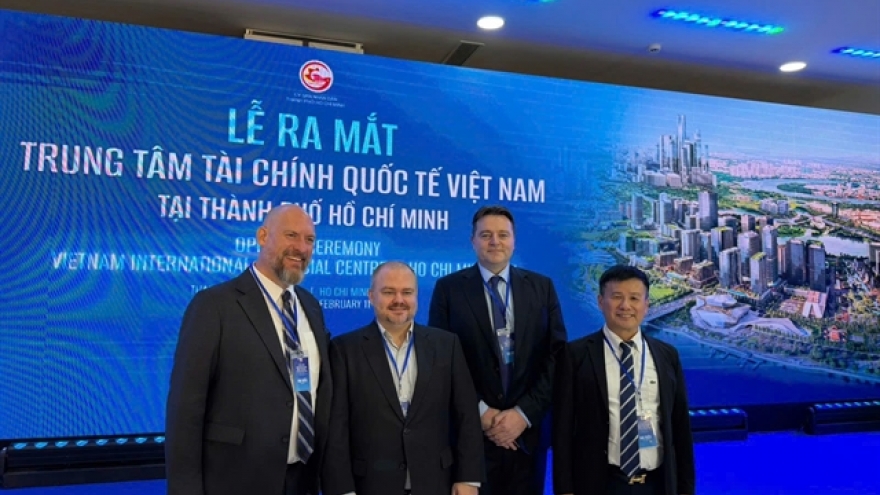
VOV.VN - Vietnam has reaffirmed its commitment to providing the best possible conditions for foreign investors at the Vietnam International Financial Centre (VIFC), positioning the project as a strategic gateway for global capital.

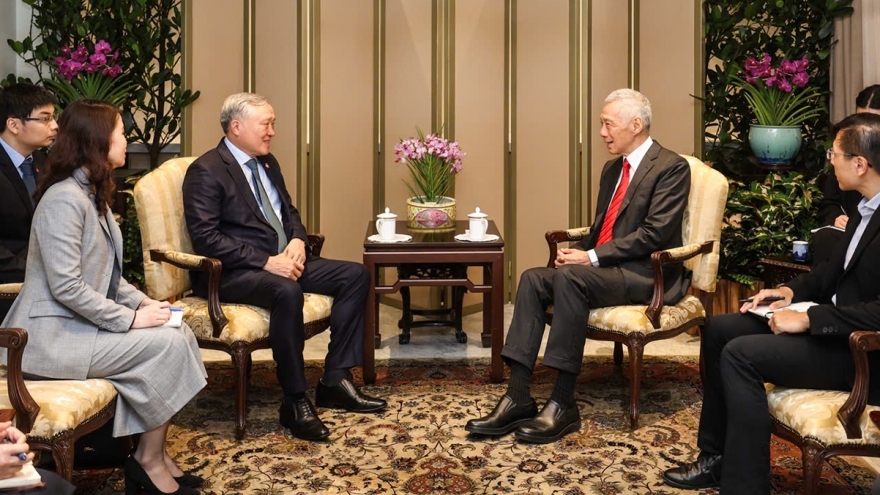
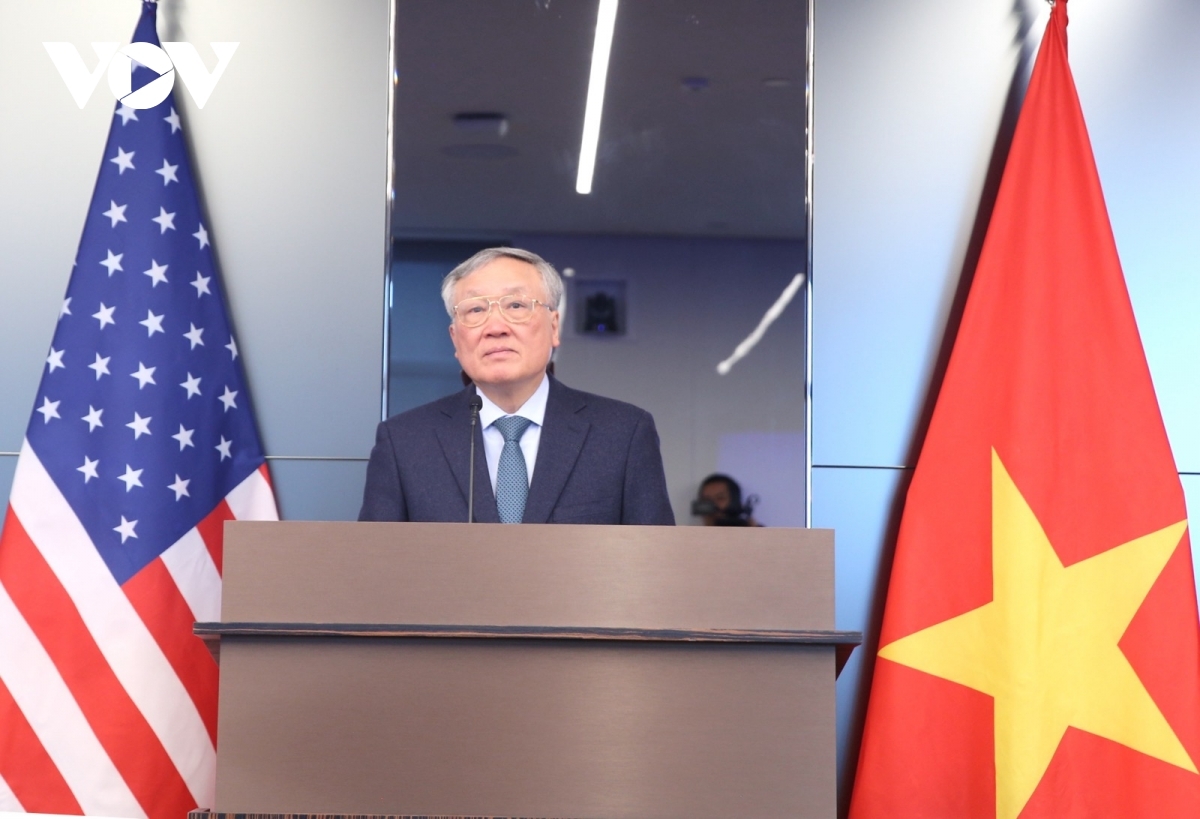
During a business roundtable in New York on March 23 (local time), held as part of a working visit to the United States, Deputy Prime Minister Nguyen Hoa Binh noted that after more than three decades of normalisation, Vietnam and the United States have elevated their ties to a Comprehensive Strategic Partnership, with financial and investment cooperation playing a central role.
In 2025, bilateral trade continued to grow strongly. The United States currently ranks 11th among foreign investors in Vietnam, with total investment exceeding US$12.4 billion, while Vietnam has invested more than US$1.4 billion in the US.
After nearly four decades of reform, Vietnam has achieved remarkable socio-economic progress. In 2025, the economy reached an estimated size of around US$510 billion, ranking 32nd globally, with per capita income at approximately US$5,000. Total accumulated foreign direct investment (FDI) approached US$526 billion, while total trade turnover hit roughly US$900 billion.
Vietnam has also signed 17 free trade agreements with more than 60 partners, helping diversify export markets and global supply chains.
The Deputy PM emphasised that Vietnam would actively support investors, particularly US firms, in achieving long-term success at the VIFC.
The VIFC, designed under a “one centre, two destinations” model spanning Ho Chi Minh City and Da Nang, is expected to become a major regional financial hub. Vietnamese authorities presented a comprehensive package of preferential policies, alongside an increasingly complete legal framework aimed at ensuring transparency, efficiency, and alignment with international standards.
Vietnam has already established a solid legal foundation for the VIFC, including the National Assembly’s Resolution No. 222 adopted in 2025 and a dedicated court system for financial centre operations. These measures, together with newly issued government decrees covering finance, banking, foreign exchange, and regulatory sandbox mechanisms, are designed to create a predictable and investor-friendly business environment.
Highlighting investor confidence, the Deputy Prime Minister pointed to Warburg Pincus as a leading example, with more than US$2 billion invested in Vietnam over the past decade. This, he noted, reflects the country’s strong potential as a safe and profitable destination for global capital.
Vietnam is also leveraging its broader economic strengths to support the success of the VIFC. With a stable macroeconomic environment, a dynamic workforce, and deep integration through 17 free trade agreements with over 60 partners, the country is well-positioned to connect the VIFC with global financial networks.
In this context, the government is prioritising key growth drivers, including digital transformation, innovation, green finance, and strategic infrastructure, to enhance the competitiveness of the financial centre and meet evolving investor demands.

Deputy Prime Minister Nguyen Hoa Binh called on US businesses to take a leading role in the VIFC, not only as early investors but also as strategic partners linking Vietnam with international financial markets. He encouraged cooperation in emerging sectors such as fintech, digital assets, and sustainable finance, which are expected to shape the future of the centre.
He also urged the business community to actively engage in policy dialogue, contributing expertise to further refine Vietnam’s regulatory framework and ensure that the VIFC develops in a transparent, efficient, and sustainable manner.
Reaffirming the government’s stance, the Deputy Prime Minister stressed that Vietnam would continue to accompany investors and provide the most favorable conditions for them to invest and operate successfully at the VIFC.
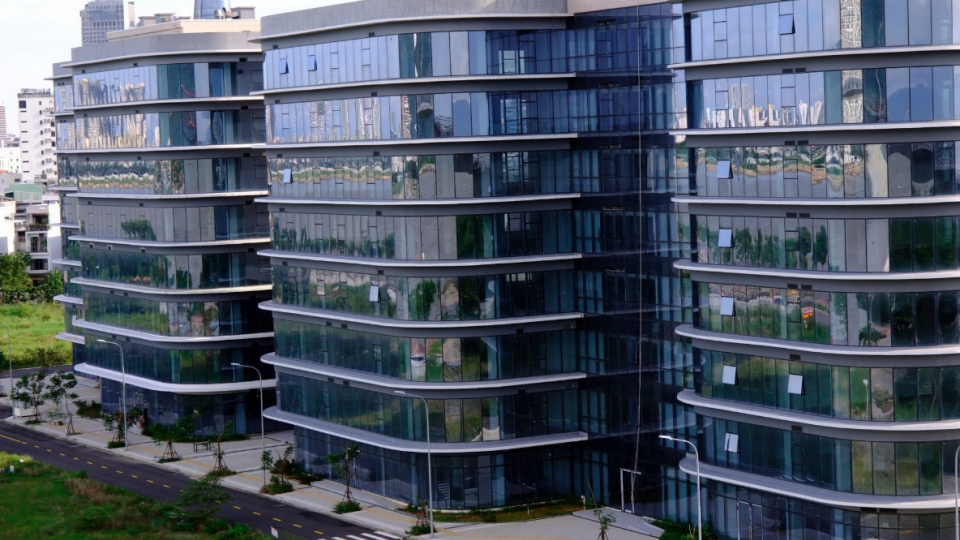
Da Nang International Financial Centre grants certificates to 12 investors
VOV.VN - The International Financial Centre in Da Nang city has granted membership registration certificates to 12 investors after two months of operation, as the city steps up efforts to develop a regional financial hub.