Resolution 68 boosts investor confidence in Vietnam’s long-term outlook

Resolution No. 68-NQ/TW of the Politburo on private sector development not only opens up investment opportunities but, more importantly, strengthens confidence in Vietnam’s long-term development trajectory, according to Cao Thanh Dinh, founder and CEO of ANPz Co., Ltd (All Nippon Partners) in Japan.
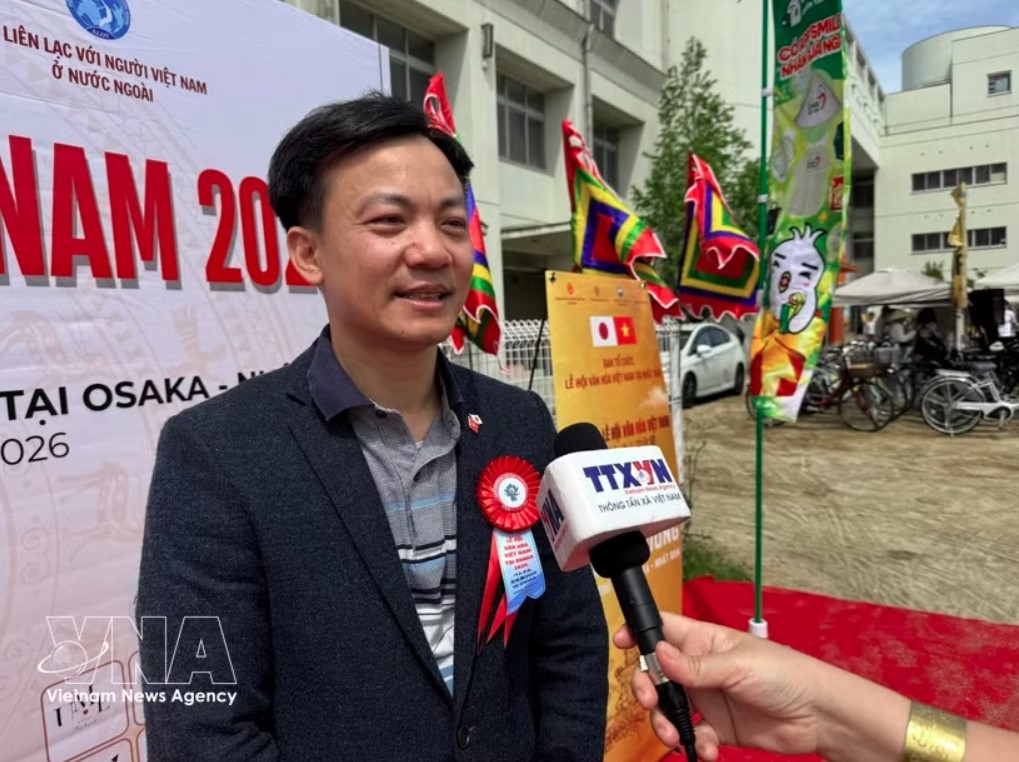
Speaking to the Vietnam News Agency’s correspondent in Japan, Dinh noted that after one year of implementation, the resolution has sent a positive signal to investors by affirming the private sector as a key driver of sustainable and long-term development.
He shared that while many Japanese firms possess ample capital and advanced technologies, they tend to be cautious when entering new markets. What they seek most is not incentives alone, but confidence in policy stability and long-term prospects.
Drawing on his experience in advising and facilitating investment linkages between Vietnamese and Japanese businesses, Dinh said Resolution 68 reflects a progressive shift in development mindset. However, businesses, particularly startups and small- and medium-sized enterprises, still expect more tangible improvements in implementation, especially in terms of policy consistency, administrative processing time, and the predictability of legal environment.
From the perspective of overseas Vietnamese, Dinh highlighted that the diaspora can contribute not only financial resources but also act as a bridge for knowledge transfer, technology, governance models, and international cooperation.
He added that with more effective connectivity mechanisms, overseas Vietnamese could help shorten learning curves and promote more efficient cooperation between Vietnam and advanced economies such as Japan.
Regarding challenges, he stressed that the key issue lies not in the lack of policy direction, but in the gap between policy intent and business experience. Enterprises remain concerned about inconsistencies in implementation, lengthy administrative processes, and unclear procedures. For Japanese investors in particular, predictability is critical. They can navigate difficulties, but remain cautious about ambiguity and unexpected regulatory changes.
Similarly, although many overseas Vietnamese possess expertise, networks, and a strong desire to contribute, existing mechanisms have yet to fully facilitate their engagement or translate their potential into concrete partnerships.
As Vietnam enters what he described as a “new era of national rise,” Dinh expressed hope that the country will press ahead with stronger reforms in implementation while building more effective mechanisms to connect with the overseas Vietnamese community, particularly in technology, investment and international business.
Looking ahead, he underscored that global competition is increasingly defined not by costs or incentives, but by the quality of the business environment and institutions. A transparent, stable, and reliable regulatory framework, he said, will not only enable domestic enterprises to thrive but also position Vietnam to attract stronger international investment flows.

Resolution 68: International lessons for private sector development
The issuance of Resolution No. 68-NQ/TW by the Politburo on the private economic sector's development marked an important shift in Vietnam’s development mindset, identifying the private sector as a key driver of the economy. Experiences from other economies offer useful insights for Vietnam as it pursues this policy direction.