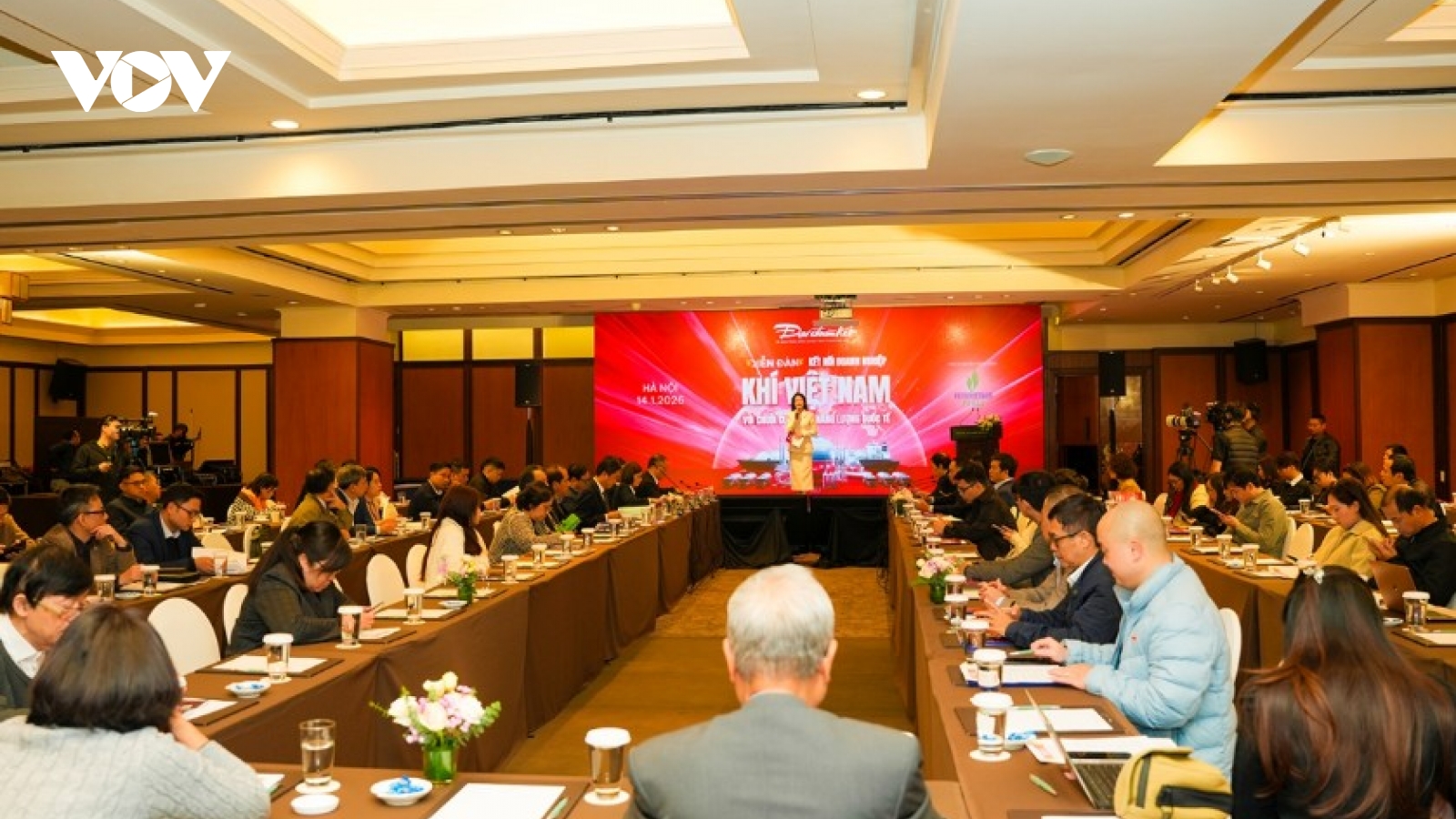
Raising localization rates to lift industrial competitiveness in supply chains

VOV.VN - Boosting localisation rates, accelerating technological innovation and building resilient supply chains to enhance competitiveness and make effective use of new-generation free trade agreements are key goals being pursued by Vietnamese manufacturing and export enterprises.
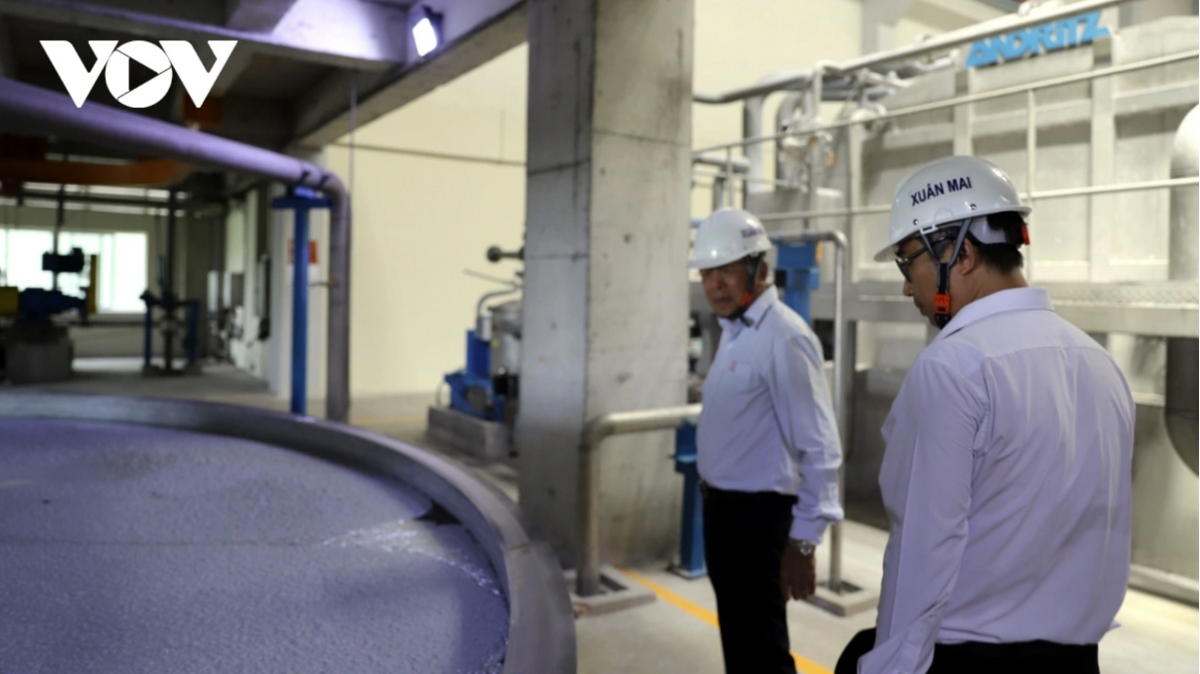
Increasing localisation also helps elevate Vietnamese brands, strengthen national credibility and create momentum for sustainable economic development. Expanding the localisation content of exported goods and developing domestic industry are therefore essential priorities. In particular, in the coming export strategy, indicators such as value added, localisation rates and the contribution of Vietnamese industry to exports will carry greater practical significance, generating more direct and sustainable benefits for the national economy at a higher level.
Localisation as prerequisite
However, to become suppliers, domestic enterprises are required to meet stringent quality control requirements, covering input materials, production processes and internal inspection systems, while fully complying with international technical standards.
Highlighting higher requirements in technology, governance and quality across the entire domestic precision engineering ecosystem, Tran Duc Minh, Director of Makino Hung Yen Factory, said products currently manufactured in Vietnam are mainly supplied to the parent company in Japan for assembly or final completion. In the coming period, the company plans to gradually expand operations, moving towards the production of complete CNC machines in Vietnam.
Recognising that opportunities can only be seized if enterprises proactively change themselves, starting from their own internal capabilities, Luong Duc Thu, Chairman of the Board of Autonach Mechanical Solutions Equipment JSC, said Vietnam is facing major opportunities arising from the global supply chain relocation wave.
Synchronous investment in technology, machinery and modern equipment, together with higher localisation rates, is a prerequisite for improving productivity and product quality and meeting increasingly stringent international market standards.
“Apart from investing in equipment, enterprises must reorganise their production models towards greater flexibility and faster responsiveness to localisation requirements and green standards in supply chains. On that basis, Autonach has started the construction of two factories for mass production of components, ready to connect with global supply chains,” Thu said.
From these developments, it is evident that Vietnamese industrial enterprises are standing at a pivotal juncture. The restructuring of global supply chains is no longer confined to expanding opportunities within the domestic market but is opening up international market space worth trillions of US dollars. Multinational corporations are increasingly requiring suppliers not only to meet technical standards but also to demonstrate the capacity for integrated and stable supply, along with transparent traceability of raw material origins and localisation rates.
Truong Thi Chi Binh, Vice Chairwoman and Secretary General of the Vietnam Association for Supporting Industries (VASI), noted that order volumes within global supply chains are far larger than those of the domestic market. Enterprises seeking to participate are therefore compelled to undertake comprehensive new investment, spanning technology, governance and production organisation capacity.
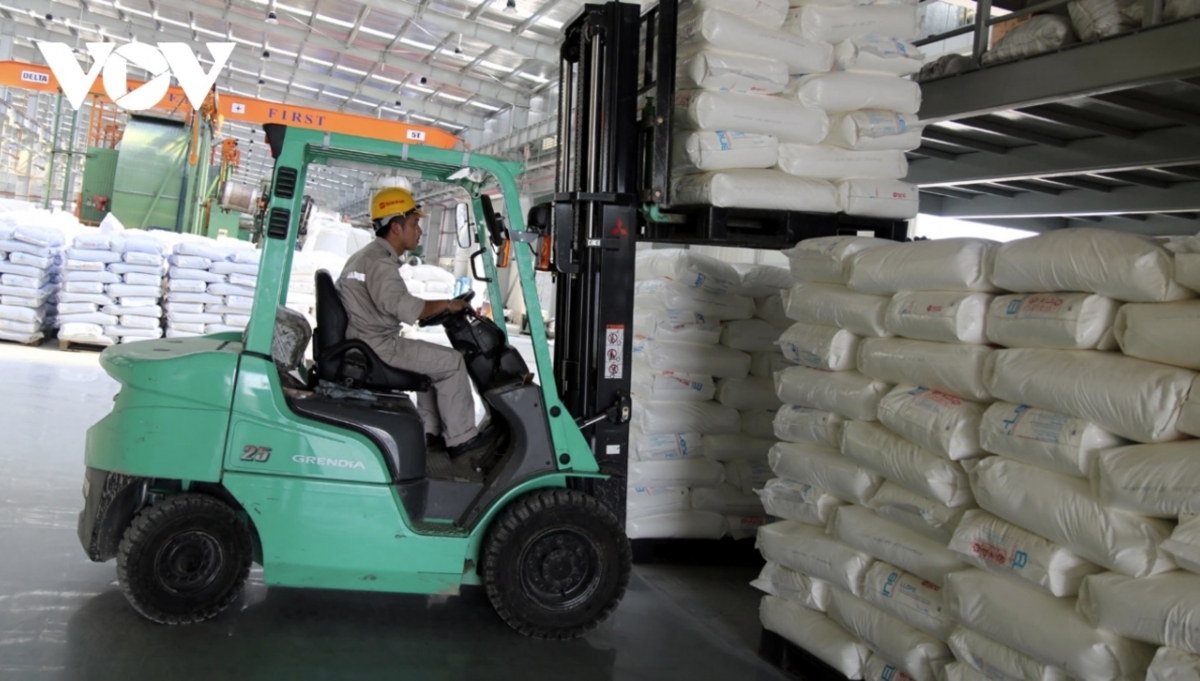
“Opportunities for success will translate into growth momentum only when domestic enterprises break free from the ‘processing trap’ and gradually establish their position within global value chains. Most domestic mechanical engineering enterprises are still grappling with a lack of investment capital for high-precision machining technologies, automation and modern production lines,” Binh said.
Scope for long-term growth
The development of specialised industrial parks for supporting industries, equipped with integrated infrastructure and reasonable costs, is expected to create sustainable development space for Vietnamese industry in the coming period.
Nguyen Hoang, Chairman of the Board of N&G Group, said supporting industries are a core link, as final manufacturing cannot exist without auxiliary components. When supporting industries are well developed, domestic enterprises can participate more deeply in the supply chains of major corporations, form sustainable manufacturing ecosystems and thereby create scope for long-term growth.
However, the development of supporting industries has yet to match their potential. Major bottlenecks lie in capital, mechanisms and procedures. Many supporting industry orders require an investment cycle of 18-24 months before generating revenue, while available credit is largely short-term, typically 3-6 months. In addition, enterprises need modern infrastructure, advanced technology and high-quality human resources to take part in global supply chains.
“Enterprises have proposed that the Government and local authorities accelerate support mechanisms in procedures, policies and capital in order to expand both domestic and international markets. There should also be mechanisms to strengthen linkages between domestic enterprises and foreign-invested corporations manufacturing in Vietnam. Only by joining global supply chains can domestic enterprises not only secure large orders but also contribute directly to GRDP growth and integrate more deeply into global production networks,” Hoang said.
Many observers argue that alongside capital, technology, high-skilled human resources and higher localisation rates, the state needs to introduce training programmes meeting international standards and attract experts. At the same time, a long-term, phased action plan for industrial development should be put in place, targeting growth of 11% in 2026 and sustainable development in the years ahead.
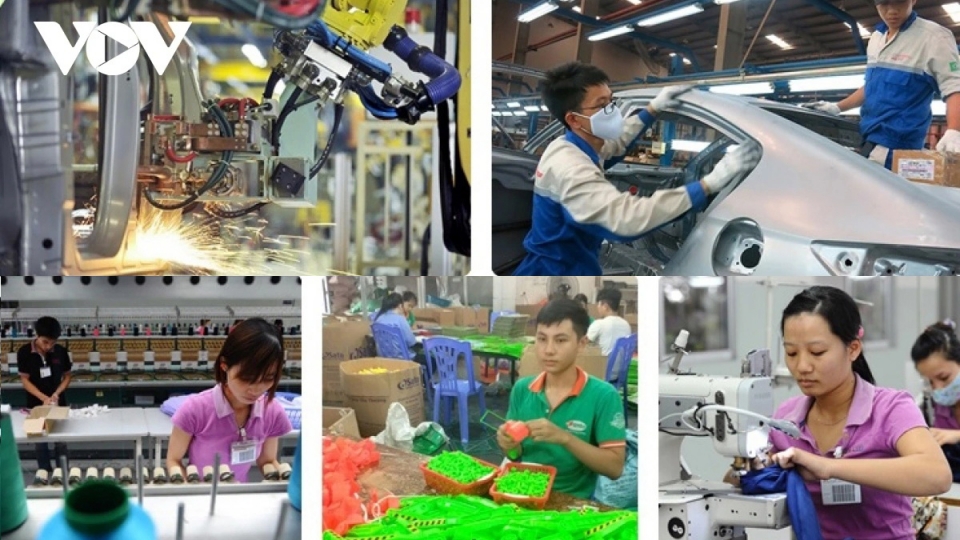
Private sector participation in supply chains - Key to sustainable export growth
VOV.VN - To achieve sustainable export growth, Vietnam must boost the role of domestic private enterprises in supply chains to leverage opportunities from multinational corporations and reduce reliance on foreign direct investment (FDI ) businesses.