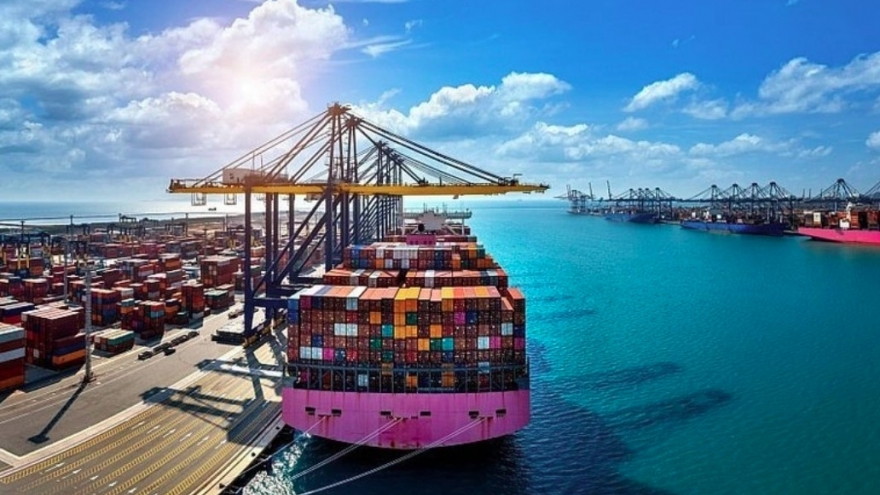
Proactive response to Middle East conflict impacts on import-export activities

VOV.VN - The conflict in the Middle East has begun to exert indirect and multidimensional negative impacts on the production and import-export activities of Vietnamese enterprises as well as the wider Middle East region.
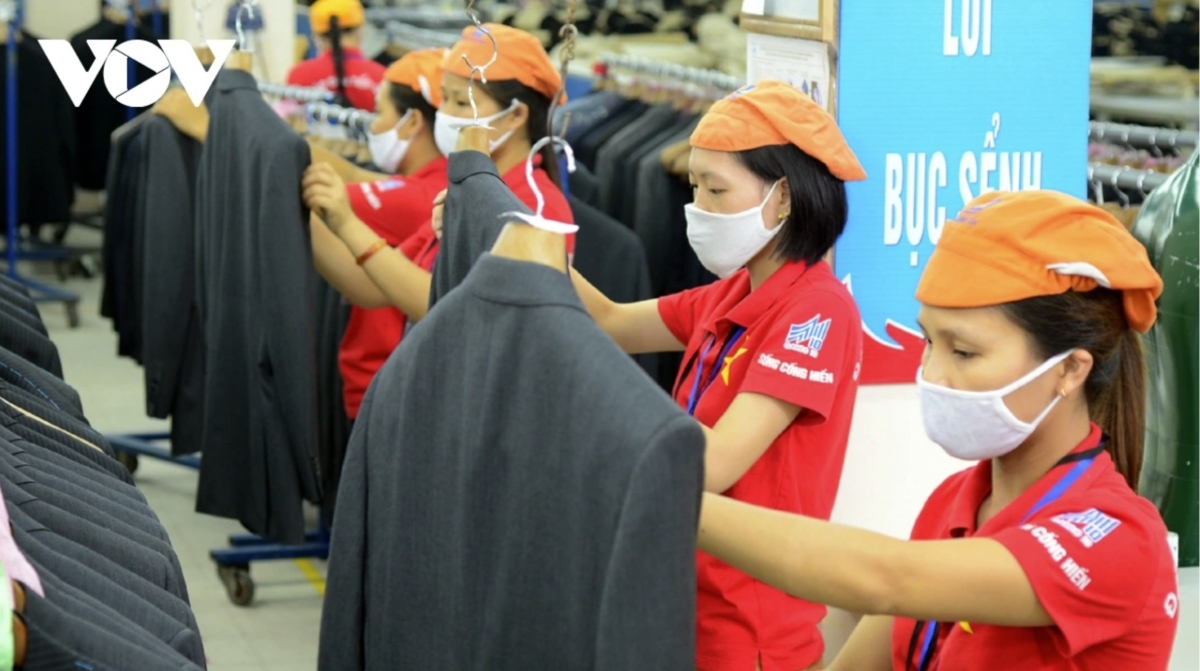
The conflict since February 28 has affected the production and export activities of many domestic businesses. Military attacks and counterattacks have created severe instability, producing a high-risk environment for transportation, international trade and global supply chains.
Assessing the impact of the Middle East conflict on the production and export of textile and garment products, Vu Duc Giang, Chairman of the Vietnam Textile and Apparel Association (VITAS), said that in addition to affecting processing costs for domestic textile firms, the conflict has increased or disrupted maritime and air logistics costs passing through the region.
“The Middle East conflict carries major risks from oil price fluctuations. When oil prices rise, a wide range of input costs will increase, especially products derived from petroleum such as synthetic fibers and yarn. Meanwhile, synthetic fiber products currently account for about 40%- 45% of the industry’s production structure. This directly affects orders for Vietnamese textile and garment enterprises in March and April and may extend to June,” Giang said.
Given developments in the Middle East conflict, Giang said the Vietnamese textile and garment industry must reassess and reconsider its development strategy for 2026. Enterprises are seeking appropriate transport solutions to ensure contractual obligations are not violated. At the same time, they are optimizing production processes, reducing waste and improving labor productivity to offset costs, while strengthening their capacity to respond to customer requirements and accepting a certain level of risk.
Similarly, in the fruit and vegetable export sector, the Middle East conflict has driven transport costs up sharply, lengthened delivery times and increased payment risks.
Dang Phuc Nguyen, Secretary General of the Vietnam Fruit and Vegetable Association (VINAFRUIT), said tensions along strategic shipping routes such as the Strait of Hormuz and the Red Sea have caused strong fluctuations in sea freight rates.
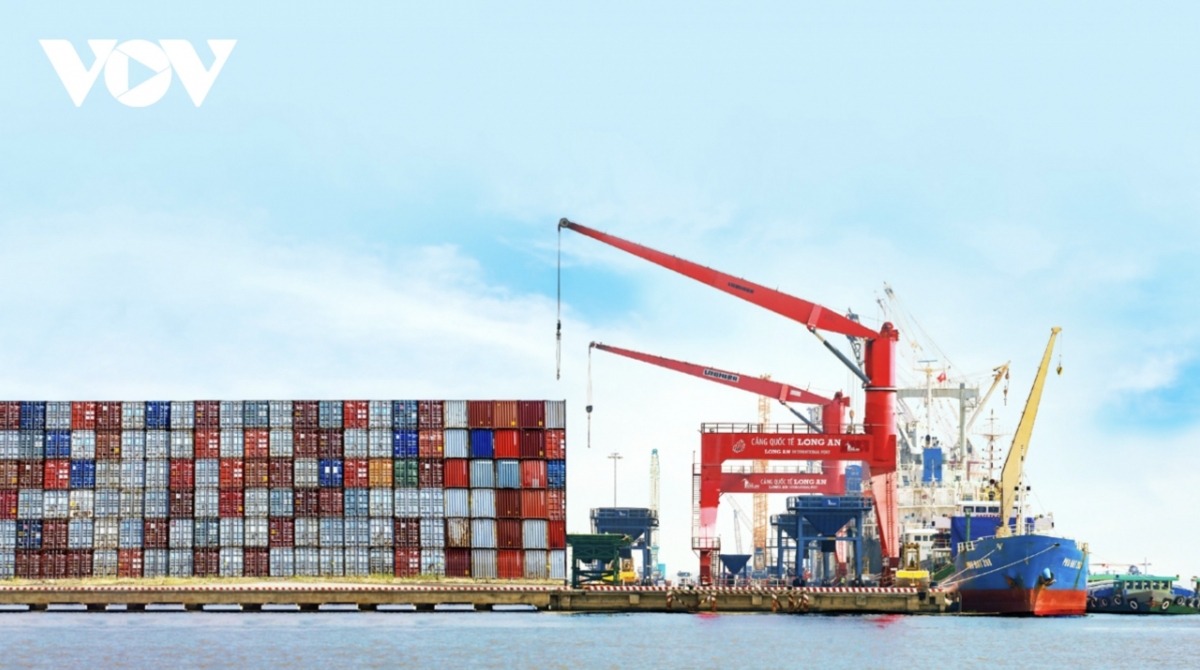
“The cost of a 40-foot container to key markets such as the EU and the United States has increased two to three times compared with normal levels. Many major shipping lines have applied additional war-risk surcharges, pushing overall logistics costs much higher. In air transport, airspace closures in several areas force flights to reroute, increasing fuel and handling costs and creating major disadvantages for fresh fruit and vegetable shipments with short shelf lives,” Nguyen said.
Alongside higher transport costs, longer shipping times increase the risk of product quality deterioration, forcing businesses to spend more on cold storage or face the possibility that partners refuse shipments or deduct payments due to higher spoilage rates. In addition, financial instability in conflict-affected areas has caused payment delays in some cases. Businesses have reported situations where goods were exported but payment was delayed because banks encountered operational difficulties or restricted international transactions, blocking payment flows and raising insurance costs.
In this context, Nguyen said fruit and vegetable exporters need to proactively diversify markets and make effective use of free trade agreements to redirect exports to regions less affected by the conflict. At the same time, businesses should renegotiate payment terms, choose flexible transport options and strengthen risk management to minimize losses.
Tran Chi Dung, Secretary General of the Vietnam Logistics Business Association (VLA), said the Middle East conflict is placing strong pressure on major export sectors including textiles, footwear, furniture, electronics and agricultural products. Enterprises with thin profit margins face greater difficulties, as transport cost increases of just 20%-40% could significantly erode profits.
Dung therefore advised businesses to develop alternative transport scenarios and avoid excessive dependence on a single shipping route or transport partner. In export contract negotiations, companies should adopt greater flexibility and split shipments into smaller batches when necessary to reduce risk.
Enterprises also need to digitalize the entire process, from order placement and transportation to warehousing and payment. Transparent, real-time data will help businesses forecast more accurately and respond more quickly to market fluctuations. Rather than concentrating too heavily on a few traditional markets, exporters should expand into emerging markets while increasing product value to offset rising costs.
Amid the Middle East conflict, the Import-Export Department under the Ministry of Industry and Trade has asked import-export industry associations and logistics associations to closely monitor developments and maintain regular communication with relevant state management bodies.
Updated information must be provided to members, enabling them to proactively plan production, organize import-export activities and arrange transport in order to avoid congestion and minimize negative impacts.
During negotiations and the signing of sales contracts, enterprises need to pay close attention to logistics, transport, delivery and insurance provisions to protect themselves against risks and losses in case of disruptions. Transport contracts must include force majeure clauses, compensation mechanisms and cost-sharing arrangements when goods face risks. Adequate cargo insurance is also necessary to prevent risks and reduce losses if incidents occur in import markets.
Industry associations and businesses should also regularly analyze developments and exchange information with relevant ministries and agencies regarding import-export data, geopolitical fluctuations affecting production, trade and transport activities, and developments in freight rates, costs and surcharges. Such coordination will help formulate timely response measures for similar situations in the future.
Industry associations urged to assess Middle East conflict impact on trade
VOV.VN - The Import-Export Department of the Ministry of Industry and Trade has asked industry associations to urgently review and assess the impact of the Middle East conflict on export-import activities, logistics and raw material supplies.

Vietnam trade counsellor in Israel warns escalating Middle East conflict weighing on trade
VOV.VN - Escalating conflict involving Israel, the US and Iran is weighing on the trade and investment environment in Israel and across the Middle East while placing additional pressure on global supply chains, Vietnam’s Trade Counsellor in Israel Le Thai Hoa said.