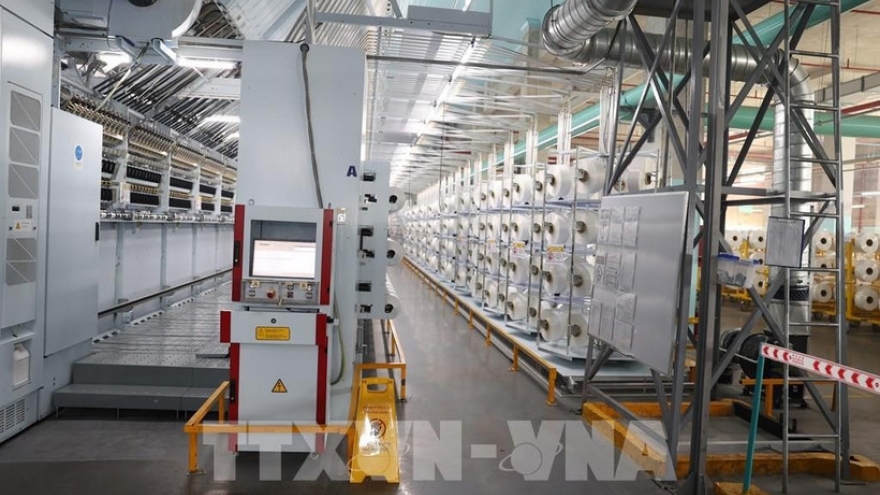
Private sector enters new growth cycle with stronger momentum

Nearly a year after the implementation of Politburo Resolution No. 68-NQ/TW on private economic sector development, a range of support policies for businesses have quickly been put into practice, delivering initial positive results and creating encouraging changes in the investment and business environment.
The clear improvement in confidence and entrepreneurial spirit suggests that Vietnam’s private sector is entering a new growth cycle with stronger momentum.
Strengthening business confidence
During the 2026 shareholders’ meeting season, the “dream” of building high-speed railways has become a major focus of attention, as many companies have officially added high-speed rail investment to their business plans and development strategies, particularly among Vietnam’s leading private economic groups.
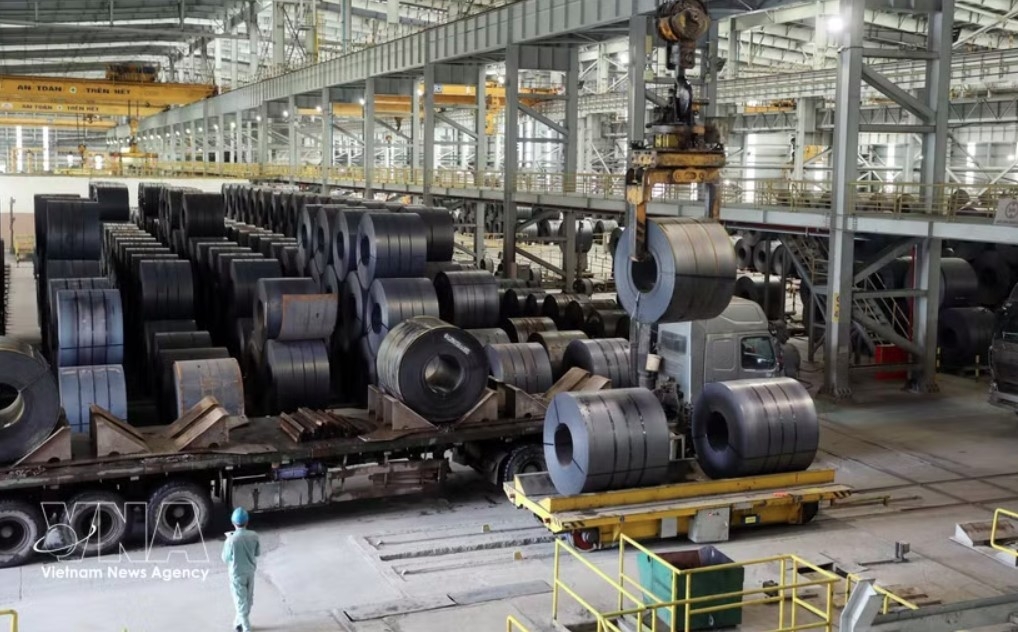
Addressing shareholders in late April, Tran Dinh Long, Chairman of the Hoa Phat Group, said the company is making strong efforts in researching and producing various types of steel directly serving the railway sector, including for train carriages and locomotives.
Regarding rail steel, he noted that the factory broke ground at the end of 2025 and is expected to produce its first batch in the second quarter of 2027, a key milestone to ensure the timely supply of materials for major domestic railway infrastructure projects.
Hoa Phat is also actively offering rail steel for several projects, notably the Hanoi–Quang Ninh high-speed railway with a total investment of more than US$5.6 billion, developed by the VinSpeed High-Speed Railway Investment and Development JSC. The project has already broken ground and is expected to become operational by the end of 2028. It also reflects Hoa Phat’s commitment to accompanying the Government in shifting towards the production of high-quality steel products serving the national industrialisation strategy.
With a target of 15% annual growth through 2028, FPT Group has identified railway technology as one of its core strategic areas as it transitions into an innovation-driven technology enterprise, alongside its traditional strengths such as artificial intelligence (AI), cybersecurity and unmanned aerial vehicles (UAVs).
Explaining the company’s move into a completely new field, FPT Chairman Truong Gia Binh said he and leaders of several major private economic groups had discussed opportunities to cooperate on high-speed railway projects.
Each enterprise, he said, would take responsibility for different parts of the project based on its strengths, forming an integrated ecosystem covering material production, construction, technical infrastructure and operational technologies for domestic high-speed rail projects before expanding internationally.
This reflects that entrepreneurs entering new sectors is not simply pursuing a new line of business, but are also taking responsibility for national development, including ensuring system security and safety and mastering strategic technologies.
According to lawyer Bui Van Thanh, the market is beginning to see strong differentiation, with a group of fast-accelerating enterprises such as Vingroup, Hoa Phat and Thaco officially participating in major national projects.
A second group continues to generate revenue but faces difficulties in capital and governance, forcing them to struggle to maintain operations. A third group is gradually being pushed out of the market and must restructure under new business models.
After one year, he said, the results are reflected not only in statistics but also in changes in expectations, strategy and the ambition of private businesses to grow and prosper. Private businesses are also paying greater attention to improving corporate governance and, notably, institutional reform. They increasingly seek legal advice on changes in tax, credit and investment policies, viewing institutions as drivers of business growth rather than barriers.
Reigniting entrepreneurial spirit
The rapid institutionalisation of Resolution No. 68-NQ/TW has reignited the desire to create wealth, encouraged new business formation and positively impacted market entry and business activity.
Statistics show that in 2025, nearly 297,500 enterprises were newly established or resumed operations nationwide, an annual increase of nearly 27.4%. Total additional registered capital injected into the economy was estimated at nearly VND6.4 quadrillion (US$251.54 billion), up 77.8%.
Between May – the time the Politburo issued the resolution – and December, an average of around 18,000 new enterprises were established each month, an increase of more than 37.8% compared with the average of the first four months of the year.
Meanwhile, more than 102,000 enterprises resumed operations last year, up 34.3% year-on-year. This trend has continued into 2026. On average, 32,000 enterprises were freshly established or resumed operations each month during the first quarter, the highest level on record.
According to Bui Anh Tuan, Director General of the Department of Private Enterprise and Collective Economy Development under the Ministry of Finance, these initial positive results in market entry and business capital expansion show that Resolution No. 68-NQ/TW is not only strategically sound in vision, but is also delivering real practical impact.
When institutions are improved, resources are unlocked and confidence is strengthened, the private sector will make stronger breakthroughs, making substantial contributions to establishing a new growth model linked to economic restructuring and providing a foundation for the country’s double-digit growth ambitions in the years to come.
Private sector needs stronger policy support for sustainable growth
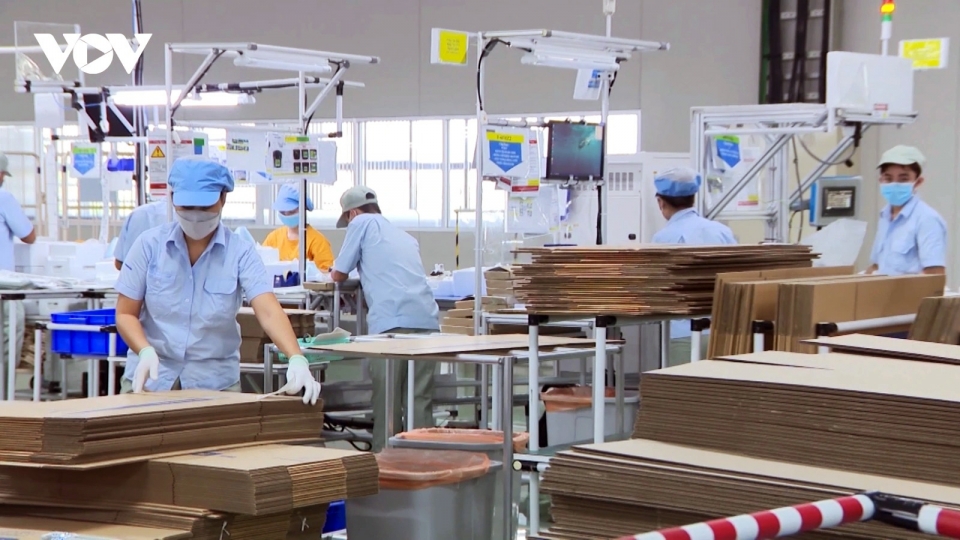
VOV.VN - Vietnam’s private sector is showing signs of weakening resilience, highlighting the urgent need for more effective policies to support sustainable business growth.