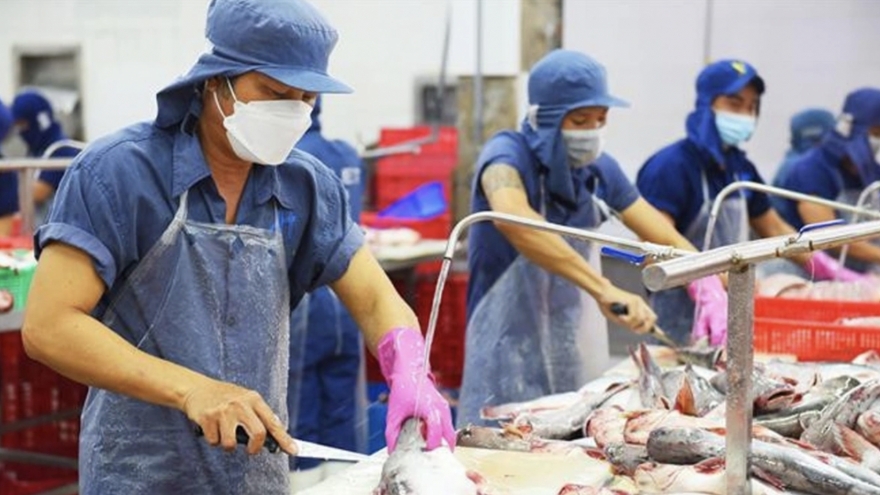
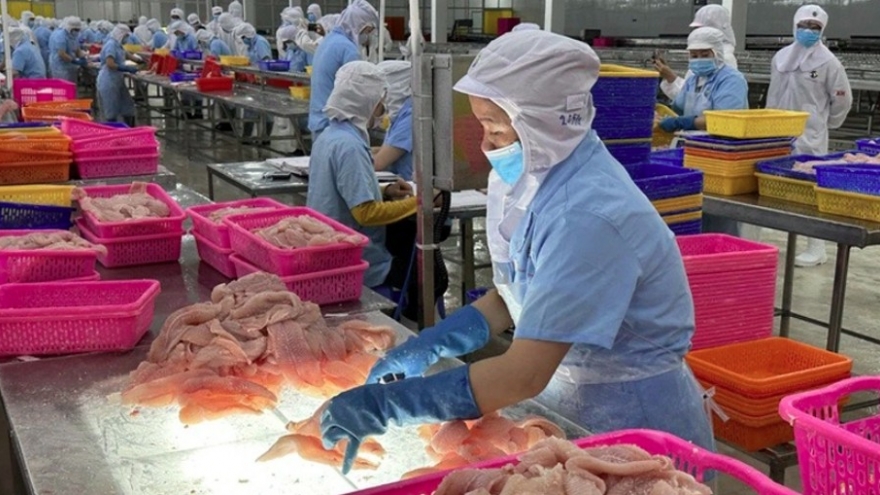
Pangasius exports bring back US$2.1 billion in 2025 amid market shifts

VOV.VN - Vietnam’s pangasius sector is projected to earn more than US$2.1 billion from exports in 2025, despite facing challenges from climate change, geopolitical tensions, and global trade fluctuations, according to the Ministry of Agriculture and Environment (MoAE).
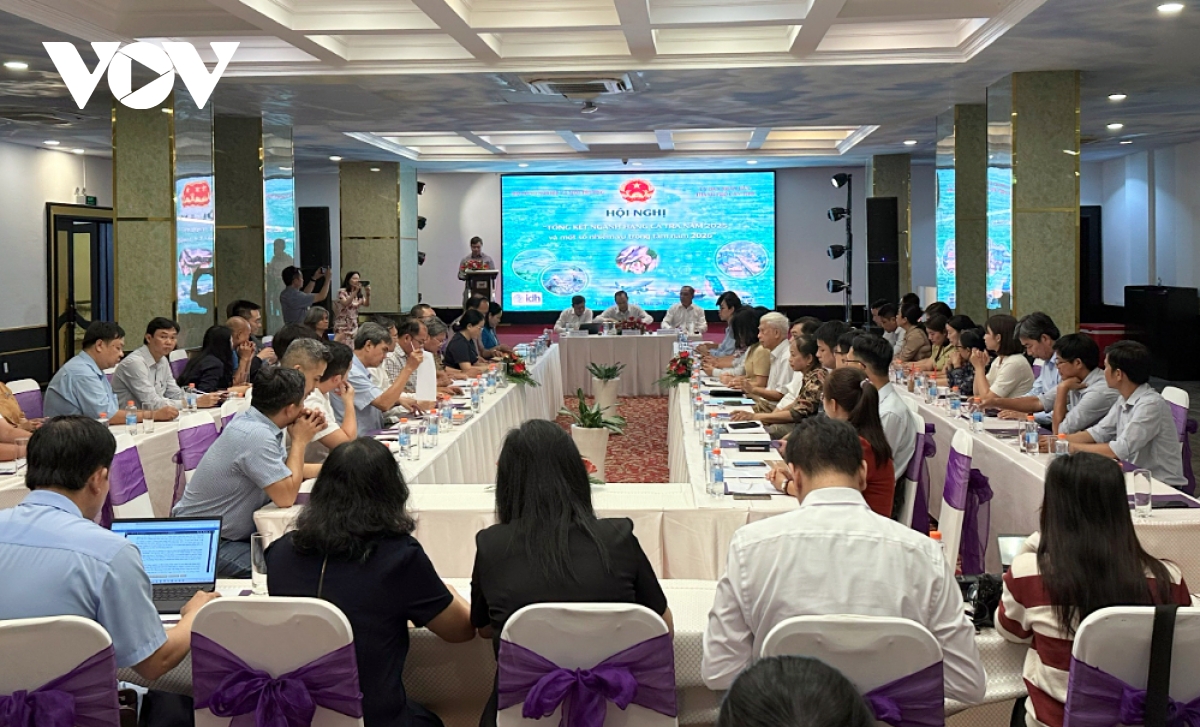
Speaking at a review conference for the pangasius sector in Can Tho City on December 29, MoAE Deputy Minister Phung Duc Tien highlighted that Vietnam’s agricultural sector achieved notable milestones in 2025, with total agro-forestry-fishery exports surpassing US$70 billion. Seafood exports alone brought back US$11.3 billion, up 12.7% from 2024 and exceeding the previous peak of 2022.
The pangasius sector produced approximately 1.65 million tonnes in 2025, with farming areas covering around 640,000 hectares, generating export earnings of over US$2.1 billion.
Brazil emerged as a standout market, posting a 35% growth and accounting for 8% of total exports. China was a major pillar for pangasius exports, contributing around 27% of the market, but growth was modest at 2.3%, below expectations.
The Comprehensive and Progressive Agreement for Trans-pacific Partnership (CPTPP) market, encompassing 11 Asia-Pacific countries, was a bright spot, capturing 17% of the market share, a 37% increase. Within this bloc, Mexico, Malaysia, and Japan drove much of the growth.
The United States accounted for 15% of exports, down 3.3%, partly due to a 20% retaliatory tariff. The European Union maintained a stable 8% market share, consistent over the past three years. Other emerging markets, including Thailand, Egypt, and Japan, were identified as promising destinations for future expansion.
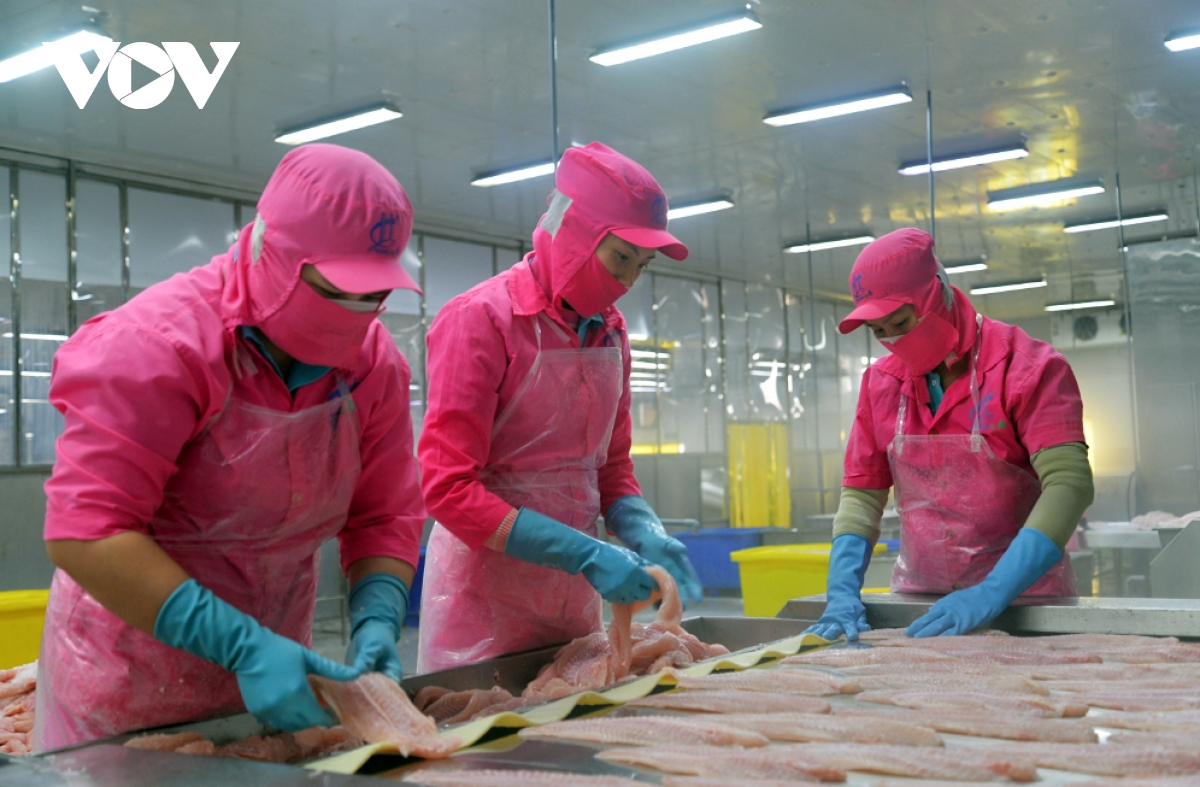
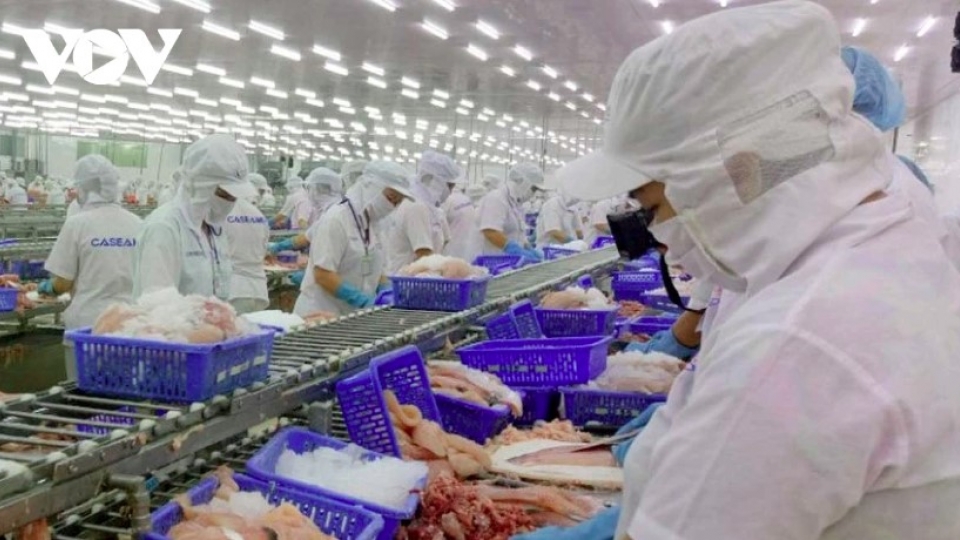
Regarding product composition, frozen pangasius fillets remained the dominant segment, valued at US$1.5–1.6 billion, representing roughly 98% of total exports. Processed pangasius products grew by 13–19%, but still made up a modest 2.4% of total export value. Other products, including frozen whole fish and dried fish, generated US$315–348 million.
The Vietnam Association of Seafood Exporters and Producers (VASEP) reported that Vietnam’s pangasius is poised to fill the gap in global whitefish supply next year, positioning itself as an optimal alternative for mid-range value products.
The country’s advantage under the EU-Vietnam Free Trade Agreement (EVFTA) gives Vietnamese exporters a competitive edge in European markets compared with other suppliers lacking such trade agreements. The pangasius sector also benefits from its ability to adjust supply based on market trends, offering buyers greater confidence in stable supply chains.
However, Europe presents growing challenges, particularly stricter standards and ESG (environmental, social, and governance) requirements, VASEP representatives noted.
Based on 2025 trends and anticipated whitefish shortages in 2026, VASEP forecast Vietnam’s pangasius exports could reach around US$2.3 billion in 2026, representing a 5% increase from the previous year.
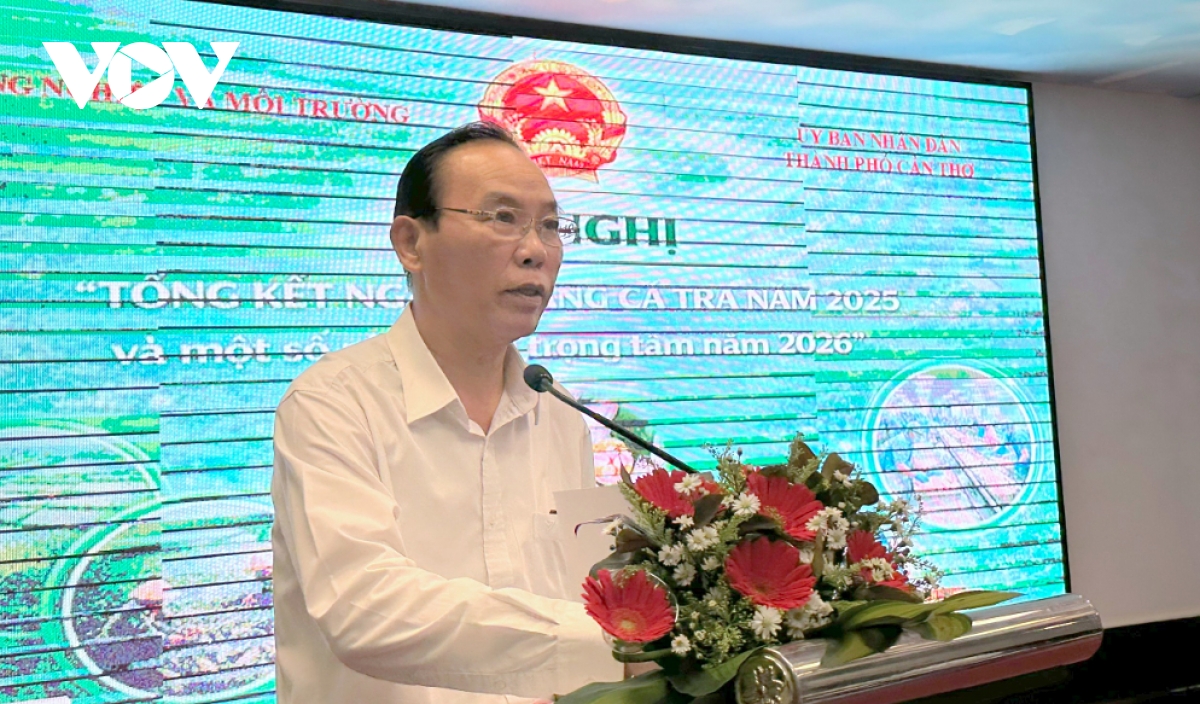
To meet the target, MoAE Deputy Minister Tien emphasised the urgency of modernising production, harvesting, processing, and market development, as well as digital transformation across the sector. Sustainable practices, high-tech applications, food safety, and traceability throughout the supply chain are critical for Vietnam’s deeper integration into global markets and enhancing the value-added potential of seafood exports.
In 2026, the MoAE and VASEP are prioritising research, breeding, and management of pangasius stocks as strategic tasks. Plans include linking research outcomes directly to production, strengthening the role of research institutes and leading companies, and developing mid-term investment infrastructure for breeding and farming zones in key localities including Dong Thap, An Giang, Can Tho, and Tay Ninh. The strategy also promotes intensive, high-tech, and traceable production models to ensure sustainable growth, higher value, and improved competitiveness in the global market.
Pangasius exports exceed US$2 billion in 11 months
VOV.VN - Vietnam’s pangasius exports surpassed US$2 billion in the first 11 months of the year, marking an increase of 9% year on year, according to the Vietnam Association of Seafood Exporters and Producers (VASEP).