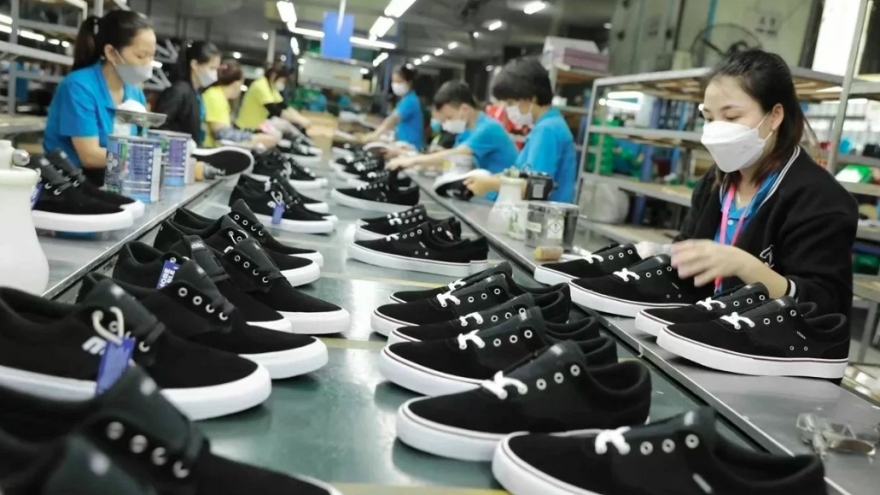
OV links open new path for Vietnamese coffee in Canada

VOV.VN - As Vietnam’s coffee market share in Canada remains modest, despite the country being one of the world’s largest coffee consumers, stronger links between domestic exporters and overseas Vietnamese businesses are likely to open a new path, moving toward building distinct brands to raise value and expand market s
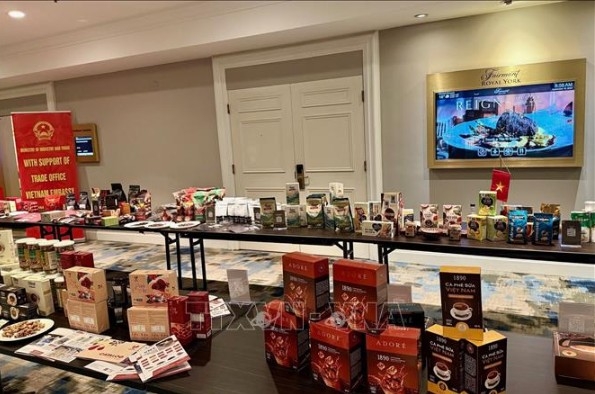
Although Vietnam’s coffee exports to Canada have increased by around 300% since the Comprehensive and Progressive Agreement for Trans-Pacific Partnership (CPTPP) took effect, reaching nearly US$40 million, market share is still below 2%, not commensurate with the sector’s potential. This points to the need to move toward a deeper approach, reaching end-consumer channels directly.
Speaking to the press in Canada, Tran Thu Quynh, Trade Counsellor at the Vietnamese Embassy, said the trade office has worked with coffee associations for years to organise Vietnam Coffee Day in Toronto to raise awareness of Vietnamese coffee not only among Canadian importers but also among end users, including franchise restaurant owners, cafés and Vietnamese eateries, as a way to enter the market.
Canada is among the world’s largest coffee-consuming countries. Robert Carter, President of the country’s coffee association, said this presents a good opportunity for exporting countries to enter the market. Canada and Vietnam are seeking to expand relations to create common trade opportunities.
From trade promotion activities and discussions in Toronto, a new direction is gradually taking shape: connecting with overseas Vietnamese businesses, which understand the Canadian market and maintain close ties to Vietnamese coffee products.
Kim Nguyen, President of the Canadian Youth Organization for Trade Diversification, said Canada is a highly open and multicultural market. Consumers are increasingly interested in products with a distinct identity, with stories of origin, culture and sustainability.
Products such as Vietnamese coffee, with good quality and a rich cultural background, have strong potential in this market. This underlines the important role of overseas Vietnamese organisations, communities and support networks in helping Vietnamese businesses access information and the market more effectively. However, building a brand continues to be the biggest challenge.
According to Adam Pesce, a member of the Canadian coffee association, the main challenge is brand building. It is therefore necessary to find a brand that can appeal to Canadian consumers, allowing Vietnamese coffee to secure a place in the market.
Smaller brands than Starbucks, such as Second Cup, Good Earth Coffee and Balzac’s, could serve as partners to help Vietnamese coffee gradually build recognition before establishing its own brand.
The fact shows that many Vietnamese-origin coffee shop owners in Canada are willing to act as a bridge to realise this direction. The potential to introduce Vietnamese coffee onto menus in Canada is strong, particularly as younger customers are keen to explore new experiences. Products such as phin-brewed coffee or iced milk coffee could become distinctive offerings if presented in the right way.
Hai Trinh, owner of Tobbi Coffee in Toronto, said many high-quality cafés in Canada now place strong emphasis on the story of origin and coffee culture. This is where Vietnam has an advantage. If introduced effectively, Vietnamese coffee, especially highland Arabica or traditional brewing methods such as phin (drip filter), can offer a different experience compared with espresso or pour-over styles common in Canada.
Trang Phan, a regular customer at Tobbi Coffee, said coffee is more than an agricultural or commercial product; it is part of Vietnamese life, memory and identity. When presented as a cultural story, from from cultivation history and phin brewing to café culture and community connections, Vietnamese coffee can serve as a soft bridge, helping international audiences better understand Vietnamese people and society.
As Canada is diversifying its import sources and reducing reliance on certain traditional partners, this is a favourable time for Vietnamese coffee to expand its presence.
Building a shared brand such as “Vietnamese Coffee”, combining product quality, cultural story and the involvement of overseas Vietnamese, could boost exports and raise the standing of Vietnamese coffee in the global market.
If implemented in a systematic manner, a cooperation model linking domestic enterprises, overseas Vietnamese businesses and distribution systems in Canada could provide a sustainable foundation for Vietnamese coffee to secure a long-term foothold in this market, while expanding across North America.
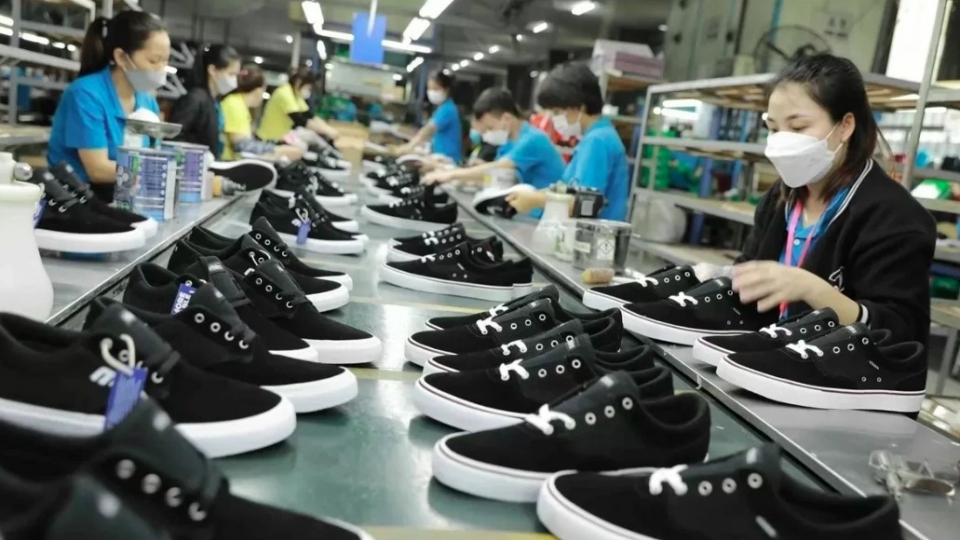
Canada emerges as key growth market for Vietnam’s leather and footwear industry
VOV.VN - Vietnam’s leather and footwear exports climbed to nearly US$29 billion in 2025, with over US$900 million shipped to Canada, underscoring the country’s rise as a promising market, as both are members of the Comprehensive and Progressive Agreement for Trans-Pacific Partnership (CPTPP).
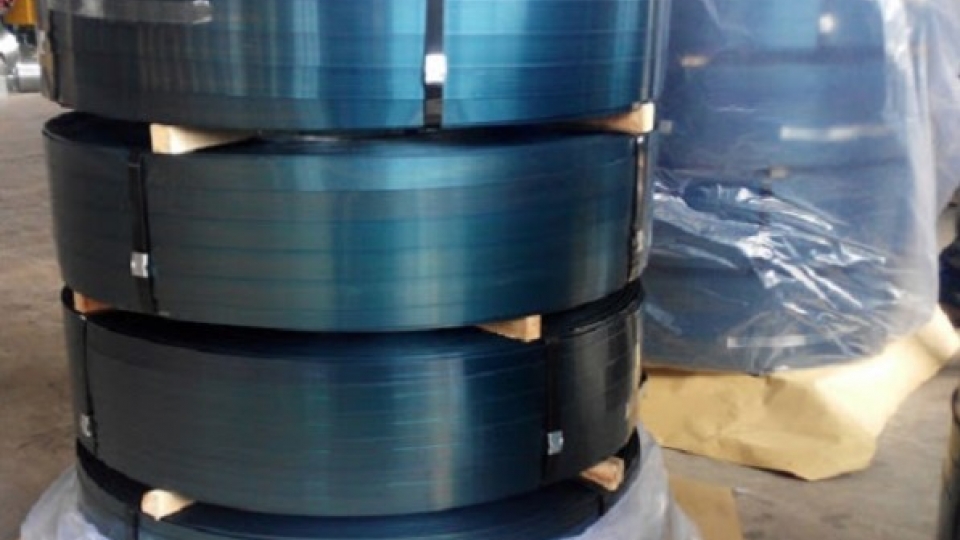
Canada finds no dumping in Vietnam’s steel strapping
VOV.VN - The Canada Border Services Agency (CBSA) has concluded that the only Vietnamese company currently exporting steel strapping to Canada did not engage in dumping.