


Norwegian Ambassador sees Vietnam becoming a key link in global value chains

VOV.VN - The Vietnam–EFTA Free Trade Agreement could open up new opportunities for Norwegian investment, green technology and trade while strengthening Vietnam’s role as a manufacturing, processing and services hub for regional and global markets, Norwegian Ambassador to Vietnam Stein Iversen has said.
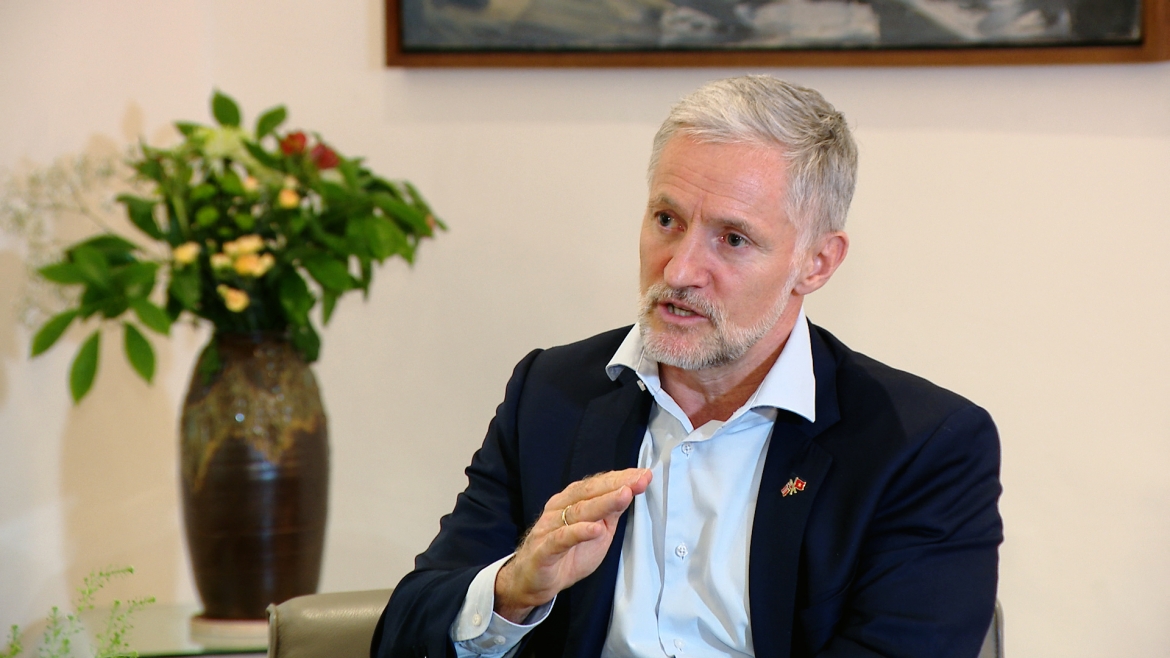
The signing of the Vietnam–European Free Trade Association (EFTA) Free Trade Agreement on October 18 marks an important step forward in economic cooperation between Vietnam and the four EFTA member states – Switzerland, Norway, Iceland and Liechtenstein – following 14 years of negotiations and 21 rounds of talks.
In an interview with the Voice of Vietnam, Ambassador Iversen described the agreement as a comprehensive framework that will expand market access for businesses on both sides and create fresh momentum for bilateral economic ties. The signing also comes in the year marking the 55th anniversary of diplomatic relations between Vietnam and Norway.
Although the negotiations were complex, the outcome reflects the parties’ strong commitment to cooperation, he said. The agreement is expected to make it easier for EFTA businesses to access the Vietnamese market and for Vietnamese goods to reach consumers in EFTA countries, helping deepen economic ties, particularly between Vietnam and Norway.
Expanding trade and investment opportunities
Improved market access could bring benefits to businesses and consumers in both countries. For Norway, the agreement will create opportunities for seafood exports to Vietnam, with Norwegian seafood products set to benefit from zero tariffs under the relevant commitments.
Seafood accounts for a significant share of bilateral trade. Better access could enable Vietnamese consumers to enjoy Norwegian salmon and other high-quality seafood at more affordable prices. In turn, Norway hopes to see a wider presence of Vietnamese coffee and tropical fruit in its market.
Iversen encouraged Vietnamese exporters and producers to study the agreement carefully so they can take advantage of opportunities in EFTA markets once the deal enters into force.
Beyond trade in goods, the agreement could establish a more stable and predictable legal framework for investment, giving businesses greater confidence to pursue long-term expansion. Vietnam’s strong economic growth has already attracted considerable interest from Norwegian investors, with more than 40 Norwegian companies currently operating in the country.
These include Jotun, known for its paints and coatings; SalMar, a major seafood producer; and Yara, which operates in the agricultural fertiliser sector.
Norwegian shipbuilder VARD has also built modern vessels and hulls in Vietnam, including specialised ships serving the offshore wind industry, for customers around the world. Such activities demonstrate Vietnam’s potential to serve not only as a destination for investment but also as a production base for international markets.
According to the ambassador, some Norwegian companies are expanding their operations in Vietnam, while others are considering entering the market. A predictable legal framework and more transparent procedures under the FTA could further support these plans.
Green cooperation and stronger global value-chain links
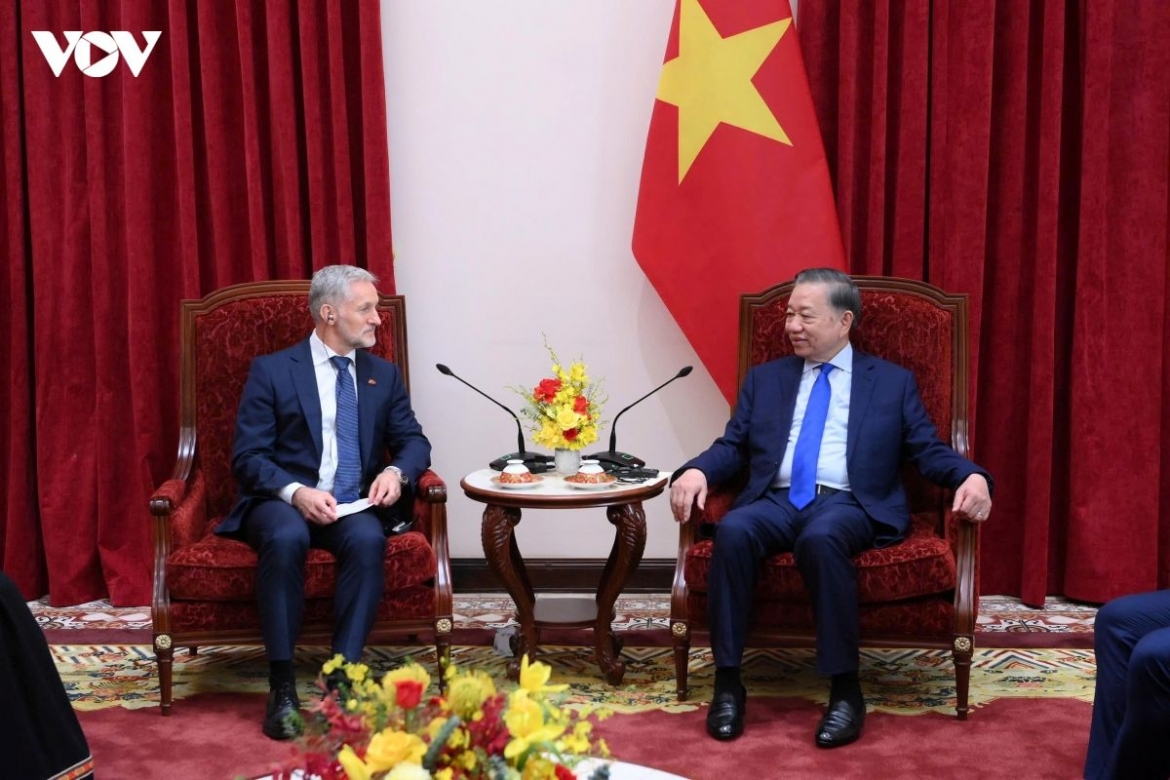
The FTA is also expected to complement the Vietnam–Norway Green Strategic Partnership, which provides a political framework for cooperation in areas of shared interest, while the trade agreement establishes a framework for commercial activity and investment.
Together, the two documents could open a new chapter in bilateral relations, particularly in offshore wind power, sustainable aquaculture, the circular economy, forest protection and low-emission maritime transport.
These are areas in which Norway has technological strengths and where relevant technologies are already being applied in Vietnam. Combining Norwegian technology and experience with Vietnam’s development ambitions, workforce and dynamic economy could create value for both countries, and at the same time support Vietnam’s green transition and sustainability goals.
The FTA could also strengthen Vietnam’s position in Norway’s wider Southeast Asian business strategy. Better market access, combined with a stable and transparent trading environment, would make Vietnam a more attractive destination for Norwegian companies seeking to diversify their markets and supply chains.
Existing operations illustrate this potential. VARD’s shipbuilding facility in Vung Tau serves regional and global markets, while Norwegian mackerel is imported into Vietnam for processing and subsequent re-export to other markets in the region.
These examples demonstrate how Vietnam can participate in multiple stages of international production networks, extending beyond its role as a domestic consumer market to become a manufacturing, processing and services base for regional and global supply chains.
Helping Vietnamese businesses prepare for EFTA markets
To make the most of the agreement, Vietnamese businesses, particularly small and medium-sized enterprises, will need to prepare for technical standards, sustainability requirements, traceability, environmental performance and rules of origin.
Iversen emphasised the importance of early preparation, with governments responsible for ensuring that businesses have access to clear information about the agreement. Companies, in turn, need to familiarise themselves with its provisions and understand the technical standards, documentation requirements and rules of origin that apply to their products.
As the agreement comprises 14 chapters spanning 74 pages, the diplomat encouraged businesses to examine the relevant provisions in detail. Strengthening traceability throughout the supply chain – from raw materials and production processes to suppliers – will be particularly important.
Quality, environmental performance and sustainability are also becoming increasingly significant factors in international trade. Meeting these requirements would not only help Vietnamese businesses benefit from the FTA but also improve their competitiveness and prepare them for deeper participation in international supply chains.
Norway could support this process through business connections and the sharing of expertise and experience in sustainability and traceability, he said.
Following the signing, the agreement will be submitted to the Norwegian Parliament for ratification. While the ratification process is under way, preparations for implementation can begin, including disseminating information, developing roadmaps and establishing proactive action plans.
For Vietnam and Norway, the agreement therefore represents more than an expansion of market access. By combining trade opportunities with investment, technology cooperation and higher standards of production, it could help deepen bilateral economic ties and strengthen Vietnam’s position in regional and global value chains.
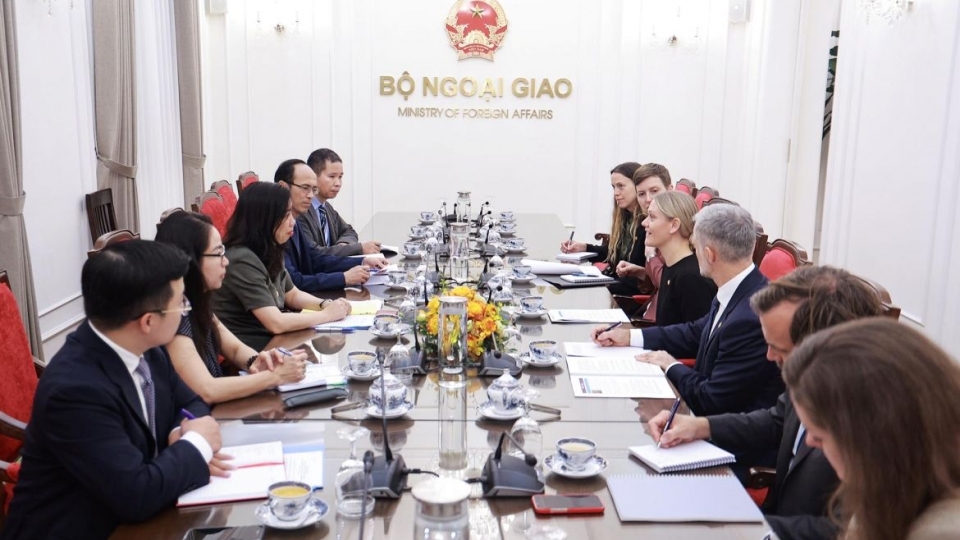
Vietnam and Norway to deepen ties in trade and green transition
VOV.VN - Vietnam and Norway will step up cooperation in trade, the green transition, renewable energy and the marine economy, seeking fresh momentum for bilateral ties as the two countries mark the 55th anniversary of diplomatic relations.


