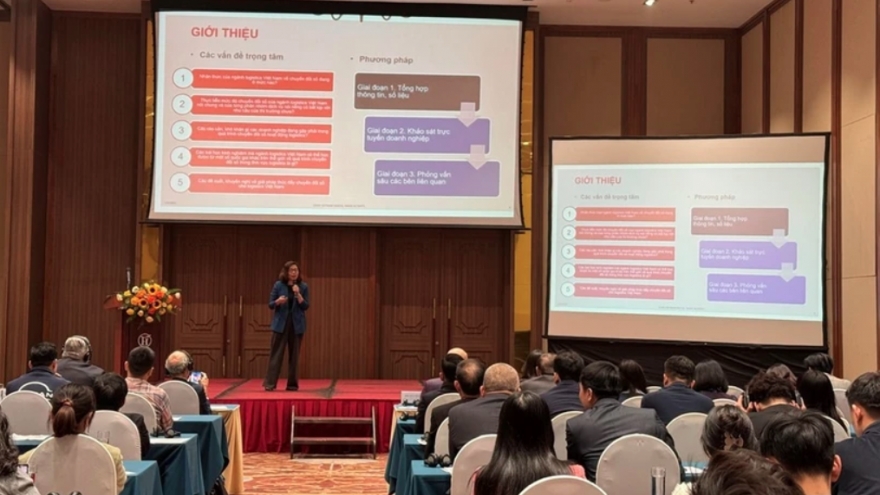
New driver for Vietnam’s deeper participation in regional and global supply chains

VOV.VN - Vietnam’s logistics sector needs a clear tiered structure for national, regional and local logistics hubs, alongside specialised centres and cargo consolidation points, to avoid overlapping investment and underutilisation while creating connections with regional and global supply chains.
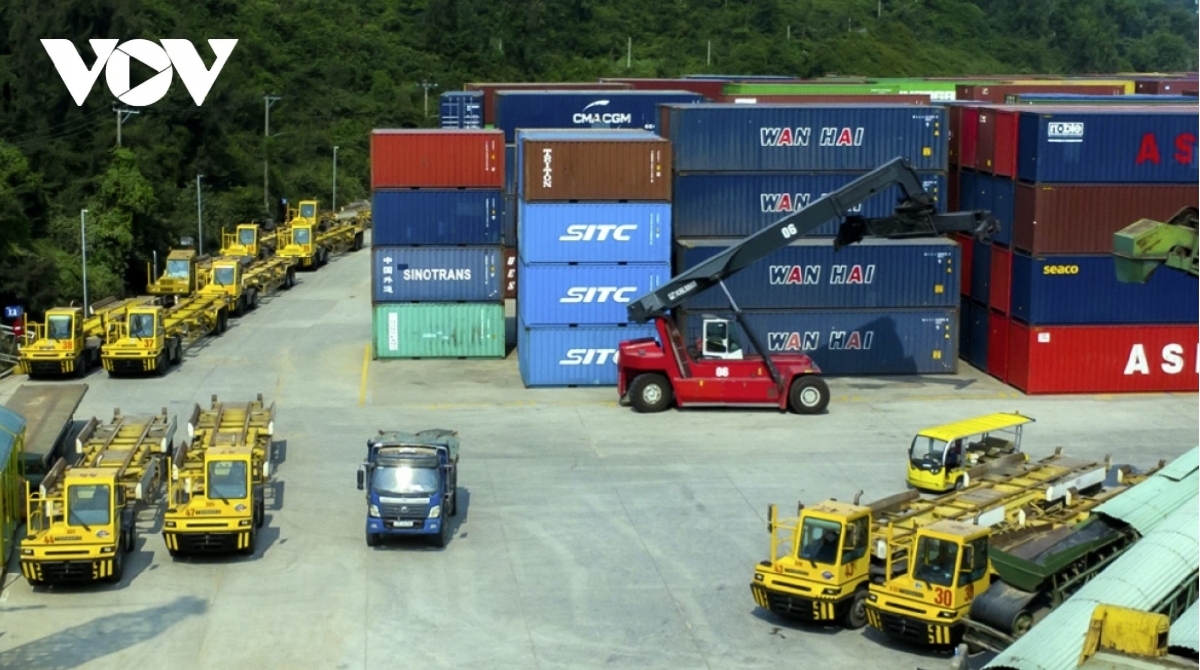
The nation’s logistics market is currently valued at US$45 billion-US$50 billion, with annual growth of 14-16%, placing it among the world’s top 10 emerging logistics markets. The development of modern, green and smart logistics centres is expected to become a new driver for its deeper participation in regional and global supply chains.
More than infrastructure investment
Vietnam’slogistics services development strategy to 2030, with a vision to 2050, aims to position the country as a logistics hub for ASEAN and the world, while opening up new space for production, import-export activities and economic connectivity.
Drawing from business operations, Tran Ngoc Khanh, General Director of OPL Logistics JSC, said that although the country has outlined plans for logistics centres linked with seaports, inland container depots and the international intermodal rail network, detailed planning and implementation mechanisms to support businesses seeking to become pioneer enterprises have yet to be institutionalised.
“To engage in logistics centre projects, businesses need a complete planning framework, transparent information and clear preferential criteria. This is an important driver for enterprises to compete confidently with international companies making major infrastructure investments in Vietnam,” Khanh continued to say.
A key focus of Vietnam’s logistics services development strategy is the establishment of large-scale, modern logistics centres connected with seaports, inland container depots, intermodal railways, border gates and multimodal infrastructure, with the aim of reducing costs, optimising supply chains and improving the competitiveness of Vietnamese goods.
According to Nguyen Le Hang, External Affairs Director at SLP Vietnam, investment in logistics centres should be viewed as investment in production capacity and export momentum, rather than solely as infrastructure development. As logistics costs in Vietnam remain relatively high at around 13-15% of GDP, reducing these costs has become an urgent requirement to strengthen national competitiveness.
“The development and use of green, modern logistics infrastructure combined with technology will help optimise transport operations and data utilisation. This solution can also help businesses optimise their workforce, thereby reducing costs more broadly and improving labour productivity,” Hang emphasized.
Amid unpredictable global disruptions such as energy crises and technical trade barriers, businesses with greater speed will gain the advantage. Companies that take the lead in applying technology and modern infrastructure will be better positioned to forecast market fluctuations more accurately and gain a decisive advantage in the race against time, she added.
Strategic infrastructure
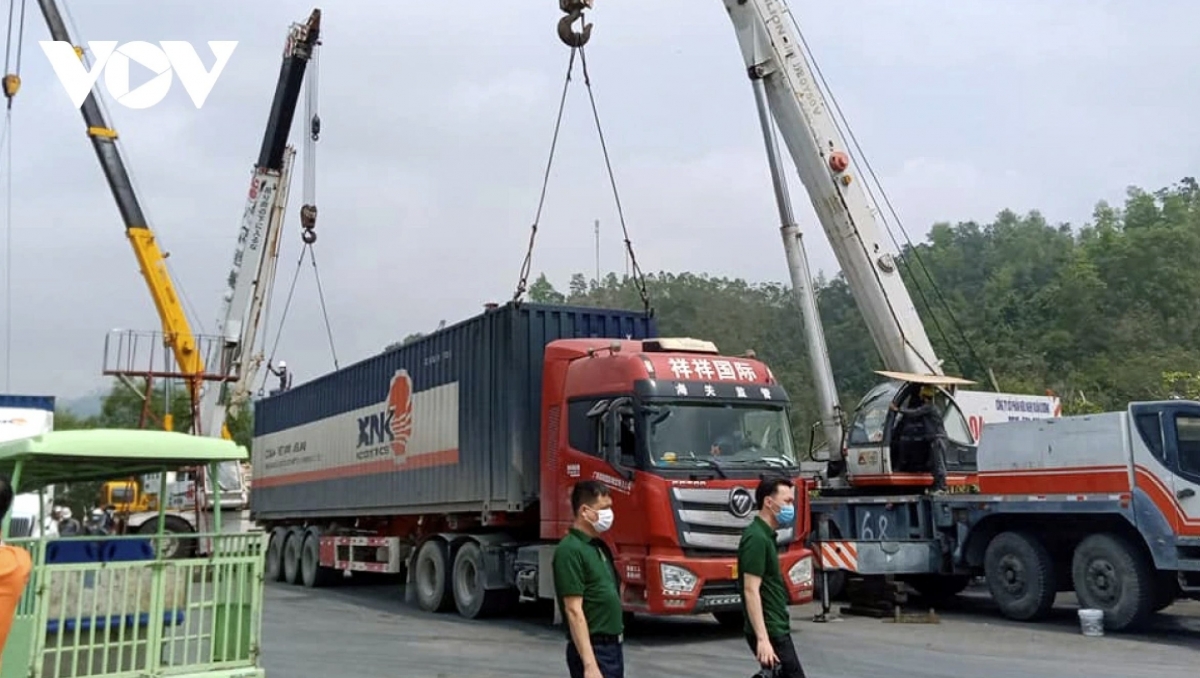
Vietnam has the potential to become an important logistics link in ASEAN and gradually integrate more deeply into global logistics networks, according to Bui Ba Nghiem, senior specialist at the Agency of Foreign Trade under the Ministry of Industry and Trade.
He said Vietnam’s logistics services development strategy for 2025-2035, with a vision to 2050, opens a new phase in which logistics is no longer merely a support service sector, but also a strategic component of national competitiveness.
Centres should therefore be developed under an integrated model connected with seaports, airports, railways, border gates, industrial parks, production zones and import-export corridors, rather than being treated simply as standalone warehouse facilities.
“The ultimate goal is for logistics centres to become new growth poles, serving as cargo transit points and hubs for organising supply chains. In that way, logistics will help reduce costs, create new value for Vietnamese goods, and help businesses go further, faster and more sustainably in international markets,” Nghiem said.
Bui Nguyen Anh Tuan, Deputy Director of the Agency for Domestic Market Management and Development under the Ministry of Industry and Trade, stated that the biggest breakthrough offered by logistics centres lies in creating convergence points for infrastructure, markets, services, data and supply chains.
Modern logistics centres, he said, must help reorganise the flow of goods, data, services and trade in a more connected, professional and lower-cost manner. Logistics centres should become strategic infrastructure serving production and import-export activities, rather than merely warehousing or cargo transit facilities.
He added that priority should be given to developing several key regional and inter-regional logistics hubs linked with production and export centres, seaports, inland container depots, border gates, railways, expressways and e-commerce networks.
“Logistics development cannot be spread out. There needs to be a clear division for national, regional and local logistics centres, alongside specialised centres and cargo consolidation points. Proper tiering will help avoid overlapping investment and underutilisation, while creating connections with regional and global supply chains,” Tuan analyzed.
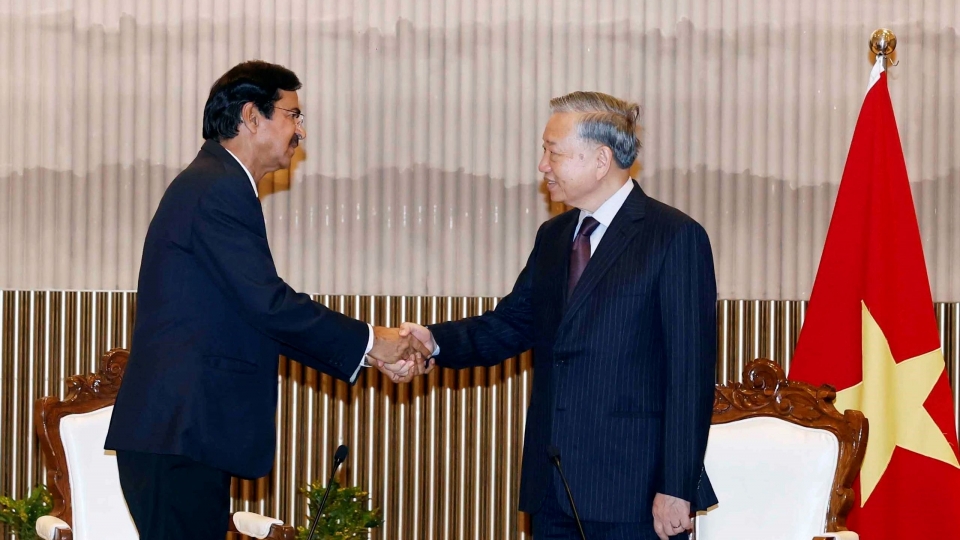
Vietnam calls for expanded India partnership in energy, infrastructure and logistics
VOV.VN - Vietnamese Party General Secretary and State President To Lam on May 7 met leaders of several major Indian corporations in Mumbai, calling for deeper cooperation in energy, infrastructure and logistics as Vietnam accelerates long-term development and connectivity plans.