


New decree raises agricultural insurance subsidies for farmers

VOV.VN - Vietnam has expanded its agricultural insurance support scheme, raising premium subsidies to as much as 95% for poor and near-poor farming households as the country strengthens financial protection against natural disasters, disease and climate risks.
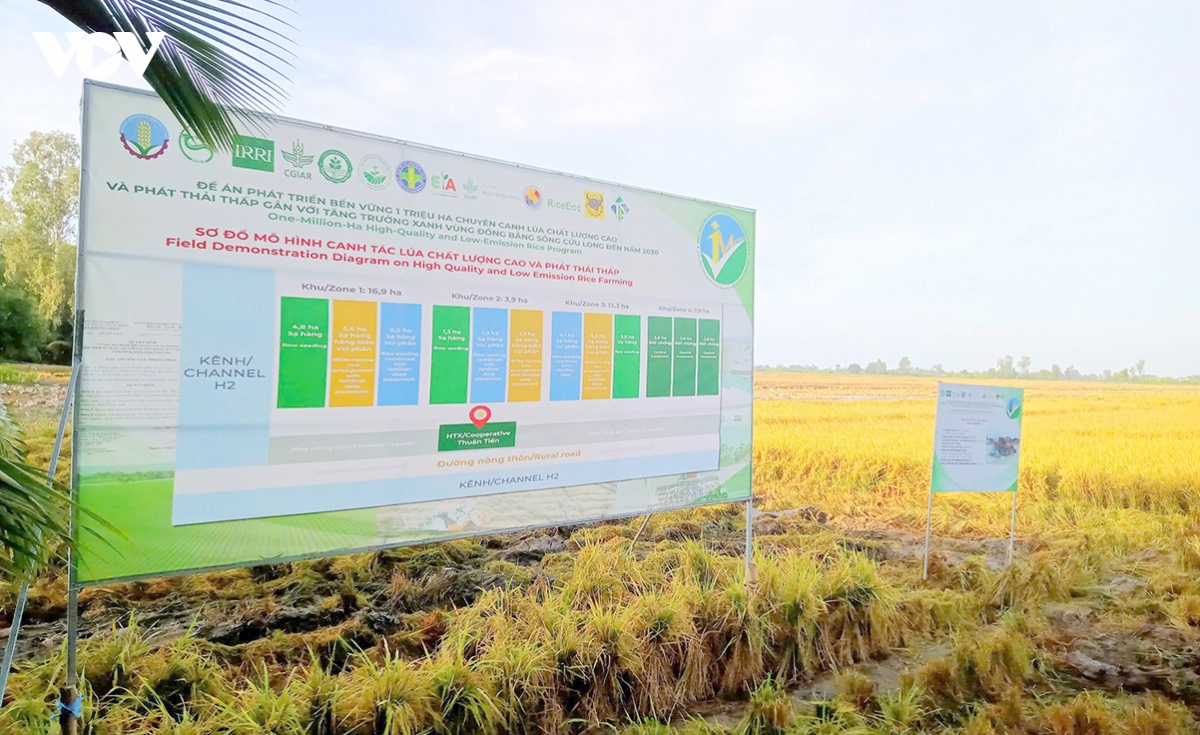
The policy comes as Vietnam faces mounting agricultural risks. In 2025, storms and floods damaged more than 545,000 hectares of rice and other crops, killed or swept away over 5.2 million head of livestock and poultry, and caused estimated economic losses of nearly VND99 trillion.
Against this backdrop, the Ministry of Finance, the Ministry of Agriculture and Environment and the Can Tho People’s Committee jointly held a conference in Can Tho on October 30 to discuss the implementation of the Government’s Decree No. 346, which amends and supplements existing regulations on agricultural insurance.
Agriculture is a key pillar of Vietnam’s economy, accounting for 11.64% of GDP and generating export earnings of more than US$70 billion, while providing livelihoods for over 14 million rural households. The expanded insurance scheme is intended to help producers manage financial risks and strengthen the sector’s resilience to increasingly unpredictable weather and other threats.
Higher subsidies and broader insurance coverage
Deputy Minister of Finance Le Tan Can said agricultural insurance should help shift the approach to disaster response from providing support after losses occur towards proactively managing risks. Insurance can transfer part of the financial burden to insurers, reinsurers and international financial markets, helping protect producers when disasters strike.
However, implementation of the previous agricultural insurance policy during 2018–2025 fell short of expectations, partly because insurers had limited financial capacity and distribution networks, while farmers’ awareness of insurance was low.
Decree No. 346 expands the framework, covering four areas - crop production, livestock, aquaculture and forestry. It also adds seven types of insurance products and introduces more specific provisions for assessing damage. According to An Van Khanh, deputy director of the Department of Cooperative Economy and Rural Development under the Ministry of Agriculture and Environment, the ministry has nearly 170 agricultural insurance products.
Under the new decree, the maximum state support for insurance premiums is 95% for poor and near-poor households, 50% for other individuals and 30% for eligible agricultural production organisations. The support is subject to the applicable eligibility requirements.
The expanded scheme is designed to make insurance more accessible to producers while improving their ability to recover from losses caused by natural disasters, disease outbreaks and other agricultural risks.
Can Tho prioritises key agricultural products
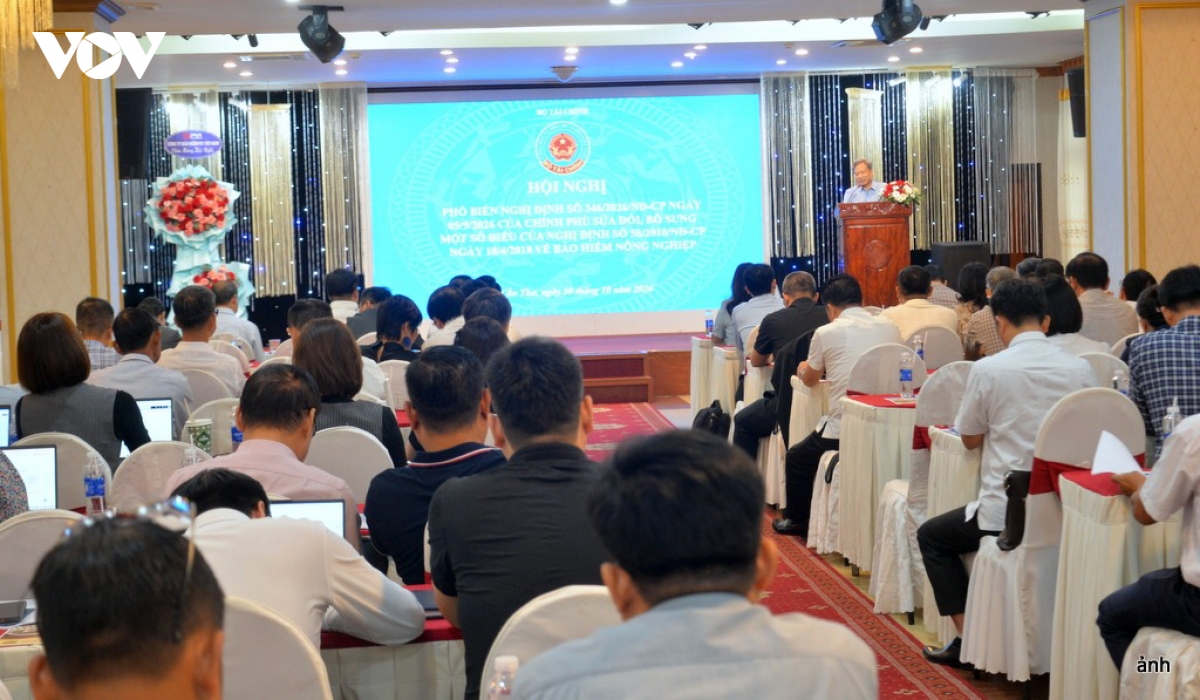
Local implementation will be crucial to translating the new policy into practical benefits for farmers. In Can Tho, a major agricultural centre in the Mekong Delta, authorities are looking to focus support on key products and concentrated production areas.
The city has nearly 94,000 hectares of aquaculture, including pangasius and giant freshwater prawns, alongside substantial rice production. Nguyen Thi Ngoc Diep, vice chairwoman of the Can Tho People’s Committee, held that agricultural insurance is increasingly important as producers faced natural disasters, disease, climate change and saltwater intrusion.
The city plans to review production areas, potential participants and risk levels to identify suitable priorities. Initial focus areas include rice, brackish-water shrimp and pangasius farming in concentrated production zones, with insurance linked to cooperatives and value chains.
The October 30 conference brought together government agencies, businesses and experts to discuss implementation of the new decree. Effective coordination between authorities, insurers and producers will be important to raising awareness, expanding participation and ensuring that agricultural insurance offers practical protection to those most exposed to risk.
Deputy PM calls for bold measures to boost agricultural exports
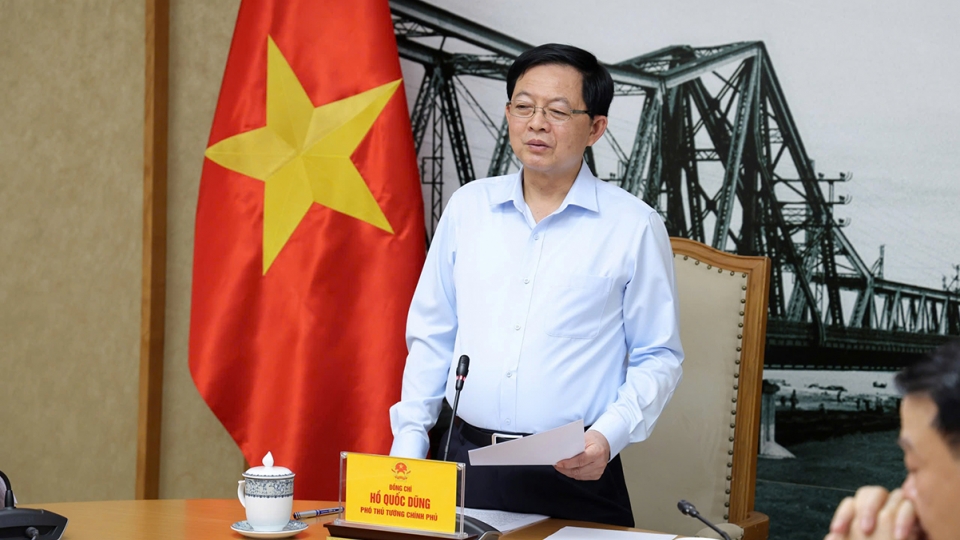
VOV.VN - Deputy Prime Minister Ho Quoc Dung has called for more decisive measures to boost the production, processing and export of agricultural, forestry and fishery products, while strengthening domestic consumption and preparing for market fluctuations ahead of the Lunar New Year.


