Mercosur launches preferential trade agreement talks with Vietnam

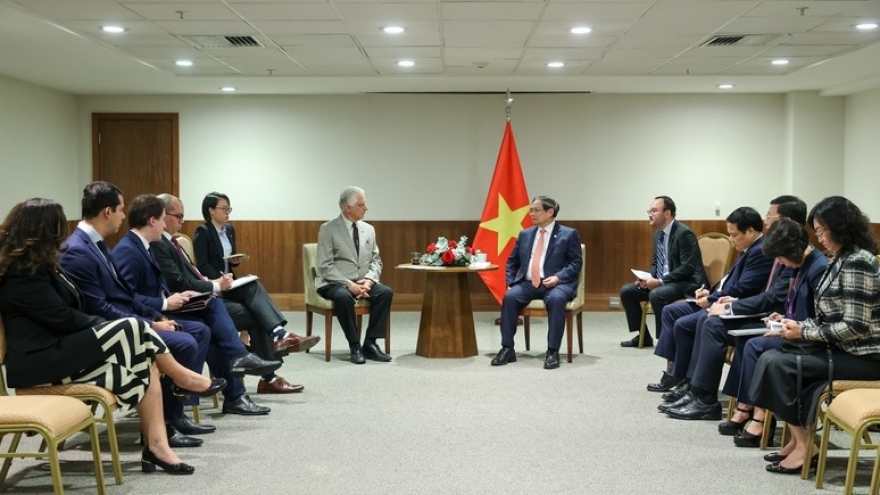
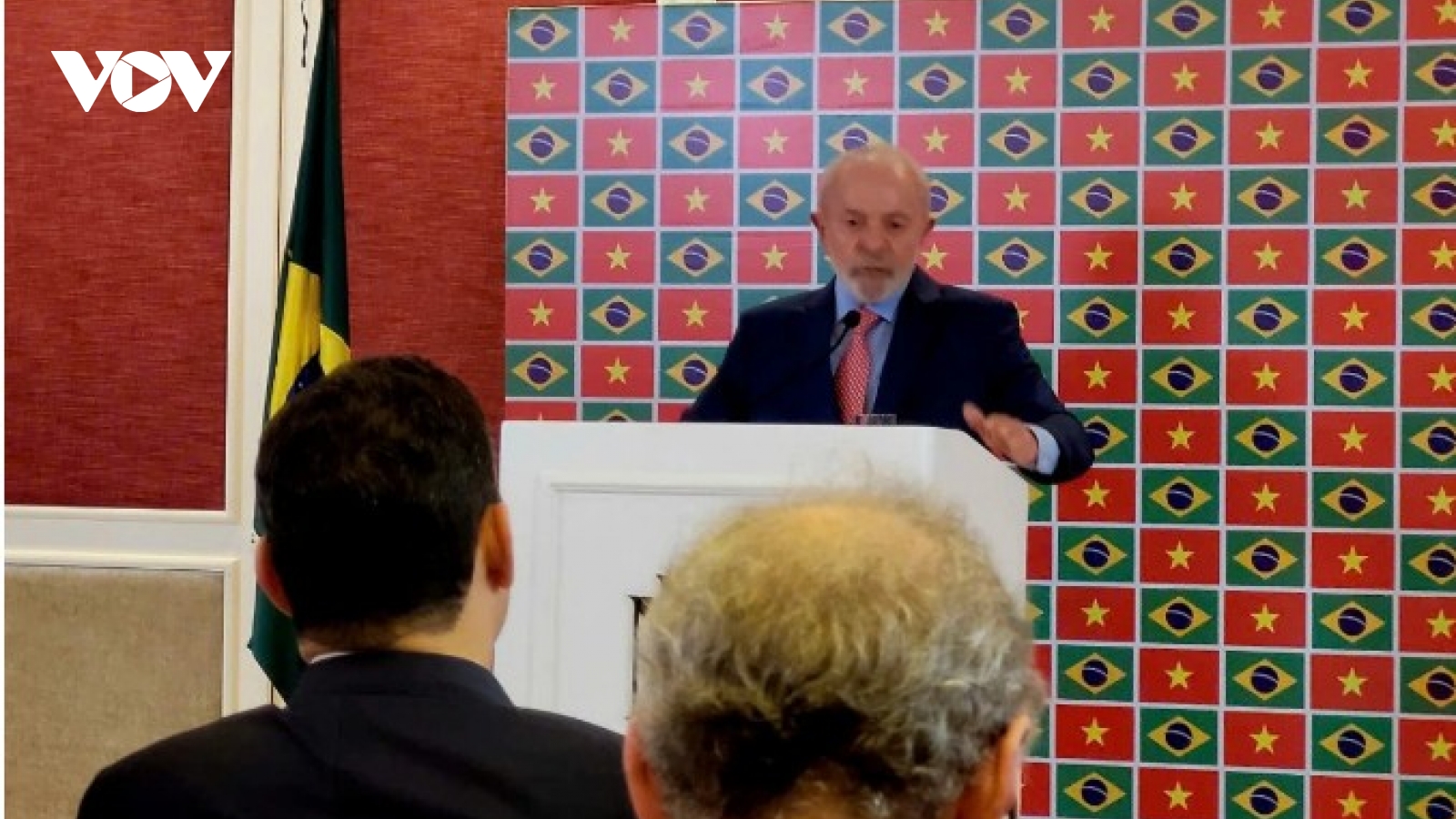
VOV.VN - Brazilian Foreign Minister Mauro Vieira, during the 67th Mercosur Summit held in Foz do Iguaçu, Brazil, on December 20 announced the launch of negotiations for a Preferential Trade Agreement (PTA) between the Southern Common Market (Mercosur) and Vietnam.
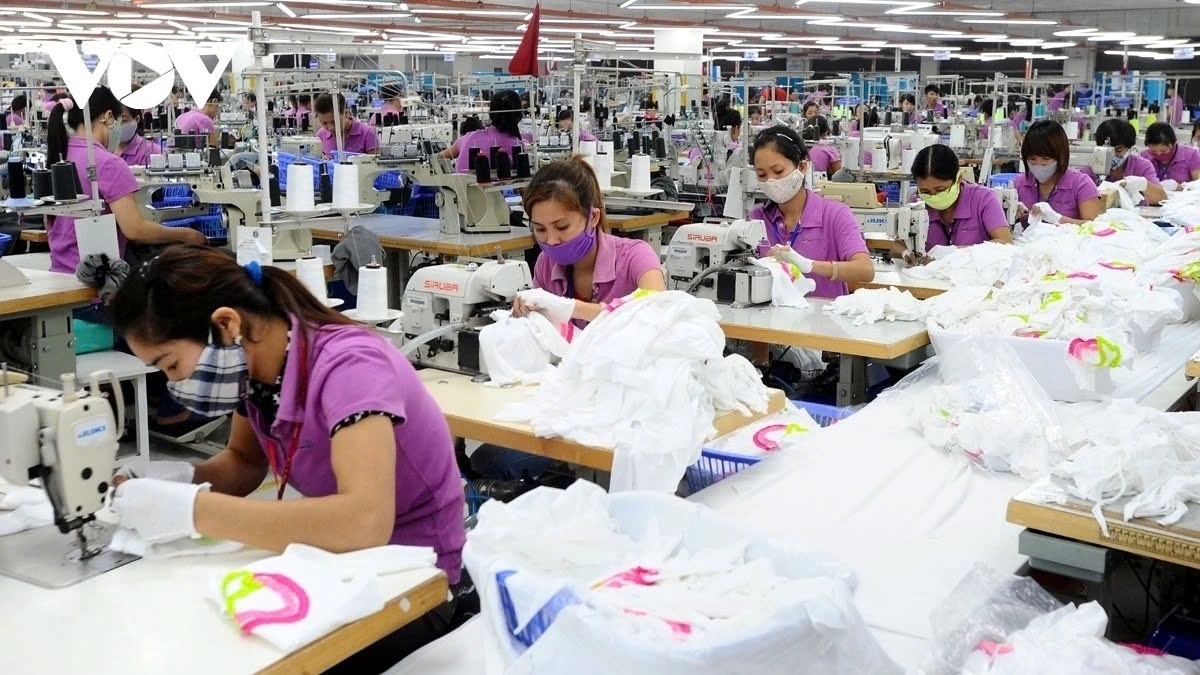
Speaking on behalf of Mercosur’s rotating presidency, Foreign Minister Mauro Vieira emphasised that Vietnam is an important trading partner for the South American bloc and highlighted the growing potential for deeper economic cooperation.
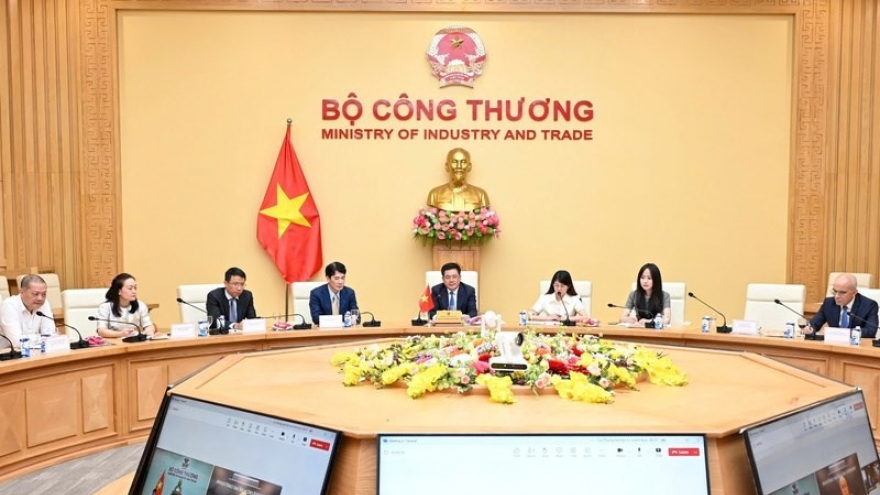
Vietnam and the South American trade bloc Mercosur - comprising Brazil, Argentina, Uruguay and Paraguay - are stepping up efforts to launch negotiations for a free trade agreement in 2025, with strong backing from Brazil in its capacity as Mercosur’s rotating chair.
Experts say the proposed trade deal is expected to serve as a trade breakthrough, enabling businesses on both sides to diversify export and import markets for agricultural products as well as industrial, electronic and textile goods. Both parties have expressed hopes of concluding the agreement in the near future, allowing them to better leverage their complementary economic strengths amid shifting global trade dynamics.
With a geographical area exceeding 14 million square kilometres, abundant and diverse natural resources, a population of more than 300 million, and a combined GDP of over US$2.9 trillion, Mercosur is not only a dynamic and effective model of deep regional integration, but also a partner of strategic importance for Vietnam.
In the context of deepening globalisation and growing interdependence among regions and economies, Mercosur’s role has become increasingly significant. At the same time, new challenges are emerging in global trade and international economic cooperation, including disruptions to supply chains and shifting market dynamics. These developments underscore the need for a shift in strategic thinking, stronger inter-regional cooperation, and greater efforts toward diversifying and multilateralizing global supply, production, and consumption networks.
Vietnam is of growing strategic importance to Mercosur not only as a fast-expanding market but also as a gateway to Southeast Asia and the wider Asia-Pacific region. As a member of ASEAN and one of the most open economies in the region, Vietnam is deeply integrated into global trade networks through a broad system of free trade agreements, including the Comprehensive and Progressive Agreement for Trán-Pacific Partnership (CPTPP), Regional Comprehensive Economic Partnership (RCEP) and EU-Vietnam Free Trade Agreement (EVFTA). For Mercosur, closer ties with Vietnam offer a platform to strengthen its presence in Asia, the world’s most dynamic growth region, while diversifying trade relations beyond traditional partners.
At the same time, the economic structures of Vietnam and Mercosur are highly complementary rather than directly competitive. Mercosur’s strengths in large-scale agriculture and natural resources align well with Vietnam’s growing demand for raw materials and its advantages in manufacturing, processing, electronics and textiles. In the context of increasing global trade uncertainties and supply-chain disruptions, Vietnam is viewed by Mercosur as a stable, reliable and long-term partner, capable of supporting efforts to diversify production, supply and export markets on both sides.
Brazil, a founding member of BRICS, is the largest economy in Latin America and ranked 10th globally in 2023. The country is rich in natural resources, is the world’s second-largest agricultural producer, and ranks third globally in mineral exports.
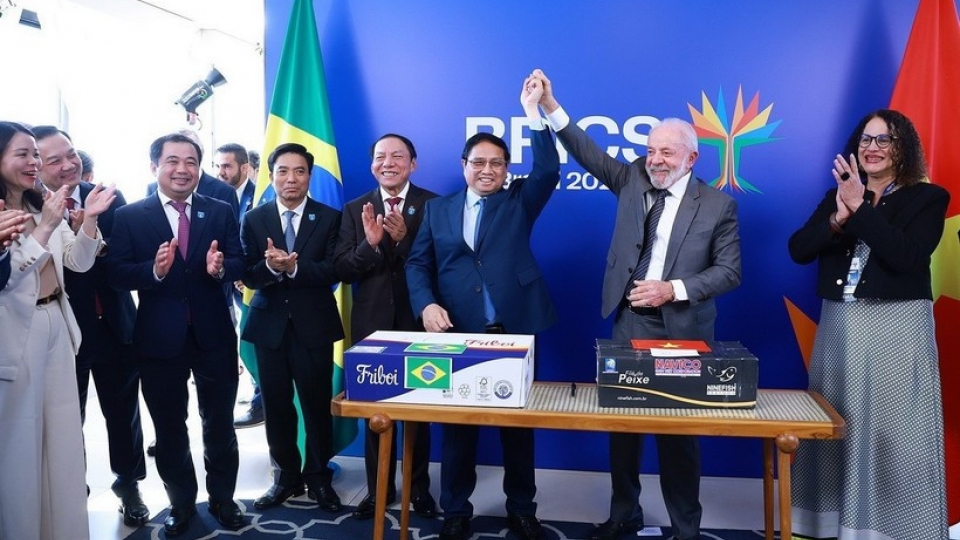
It is currently Vietnam’s largest trading partner in Latin America. Bilateral trade between the two countries has expanded rapidly over the past decade, rising from US$1.53 billion in 2011 to US$6.78 billion in 2022, surpassing US$7.1 billion in 2023, and reaching approximately US$7.7 billion in 2024.
Both sides have set ambitious targets, aiming to increase bilateral trade turnover to US$10 billion by 2025 and US$15 billion by 2030.
Vietnam’s main exports to Brazil include seafood, rubber, textiles and garments, footwear, and iron and steel products, while its imports from Brazil consist primarily of soybeans, wheat, corn, animal feed and raw materials, and various types of cotton.
Vietnam, Mercosur explore economic cooperation potential, opportunities
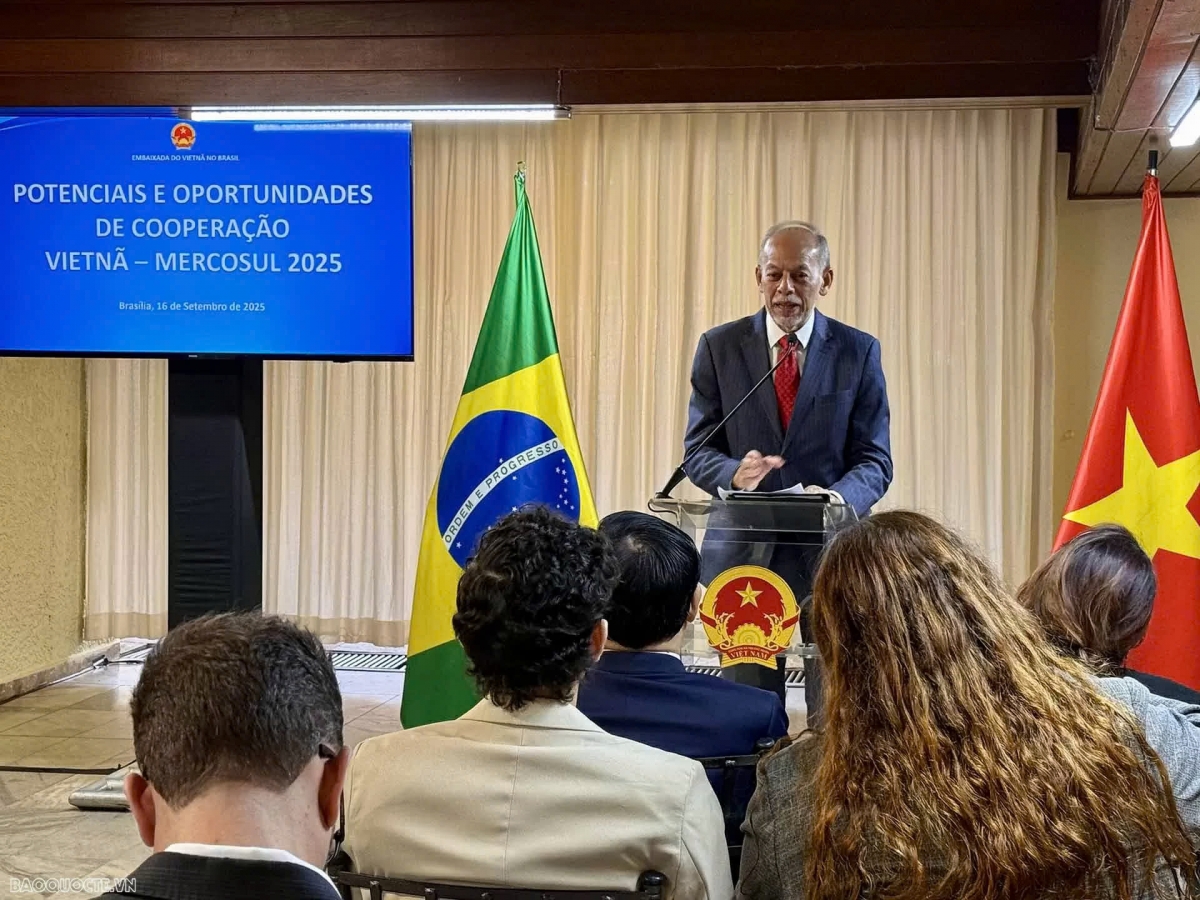
The Embassy of Vietnam in Brazil on September 16 hosted a seminar on potential and opportunities for Vietnam and the Southern Common Market (Mercosur) to boost cooperation.