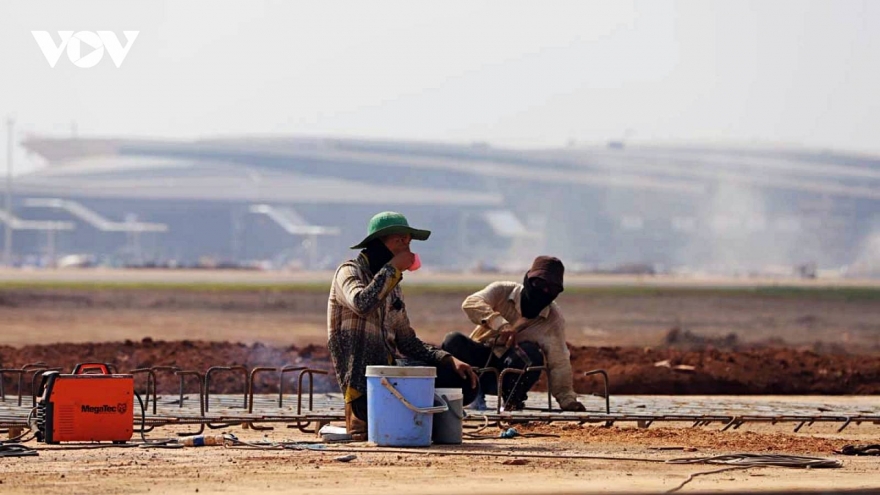
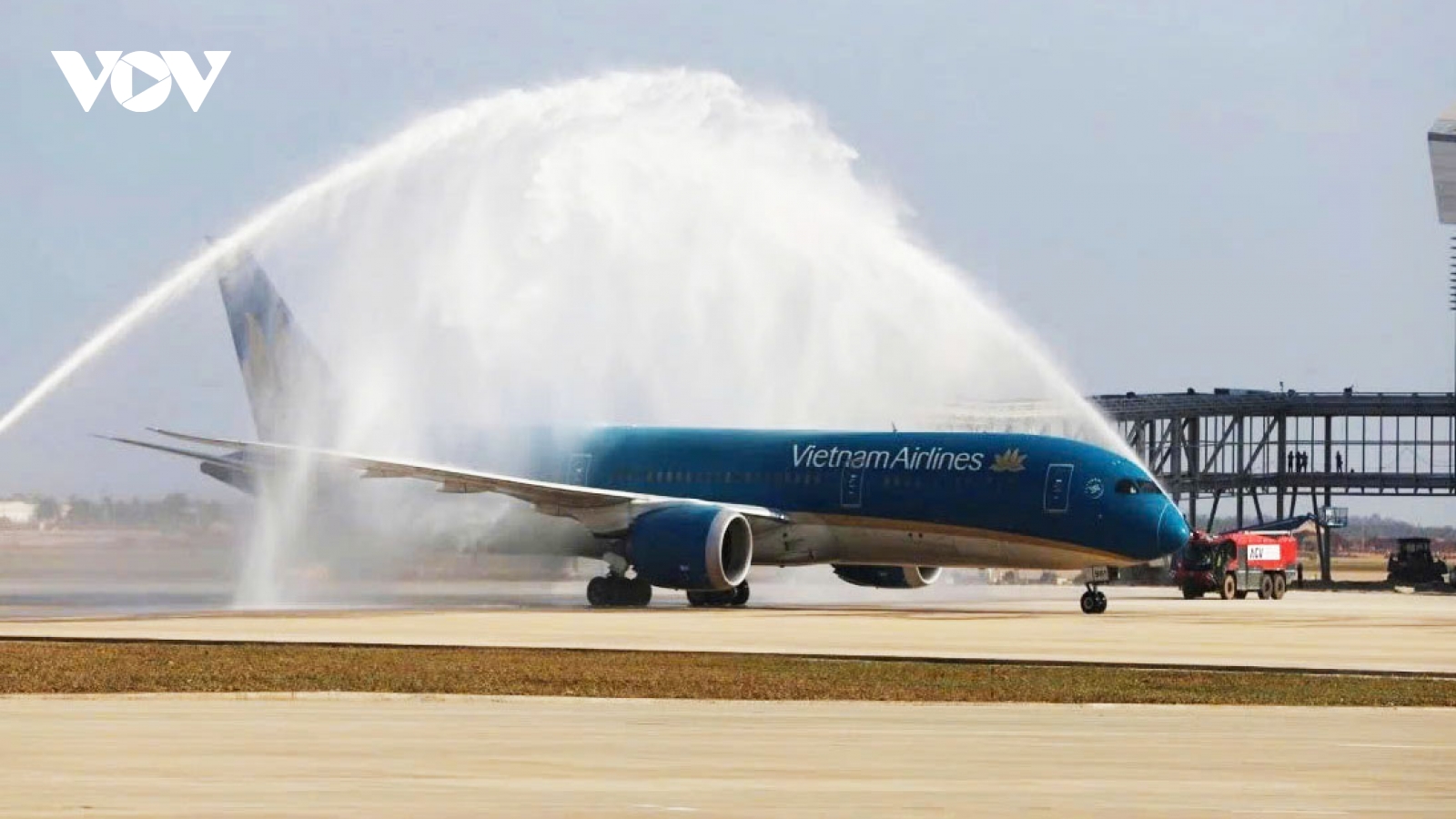
Long Thanh Airport set for preferential policies to attract airlines

VOV.VN - The Ministry of Construction has proposed a range of aviation service fee incentives to attract airlines to newly built airports, particularly Long Thanh International Airport, a major national infrastructure project expected to begin operations in the coming time.
Under a draft circular on aviation service pricing policies, a key proposal is to introduce preferential mechanisms for new airports during their initial operational phase, including Long Thanh, Gia Binh and Quang Tri.
Deep fee cuts to encourage new routes
According to the ministry, aviation service fee incentives have long been used as a policy tool to regulate the market and support airlines, both domestic and international.
However, as no new airports have been operational in recent years, specific mechanisms for early-stage operations have not been required. With several new airports set to open, the introduction of tailored incentives is considered necessary.
Under the draft, incentives will be applied within the first 24 months of operation, depending on specific cases.
Flights relocated from other airports under government directives would receive a 10% discount on takeoff and landing fees.
Notably, newly launched scheduled routes to new airports that are maintained for at least 12 consecutive months would enjoy a 50% reduction, a significant incentive aimed at encouraging airlines to open new routes.
After the initial 24-month period, incentives would still apply in certain cases. For example, international routes to airports that have not been served for at least 12 months would receive a 50% reduction in landing and air navigation service fees.
The preferential period would last 12 months for Long Thanh and Gia Binh airports, and up to 24 months for other airports.
The drafting agency says these policies aim to help new airports quickly establish route networks, attract carriers and build a foundation for sustainable growth.
Airlines call for clearer “anchor carrier” policies
Some stakeholders argue that the draft does not fully reflect the role of key airlines at new airports.
A representative of Vietnam Airlines says the current proposal focuses mainly on operational timing and market conditions, but lacks a dedicated mechanism for anchor carriers that play a leading role in developing a hub.
The airline suggests adding criteria such as passenger volume, network connectivity, hub development capability and long-term operational commitments.
Meanwhile, Masterise Aviation Infrastructure, a company involved in the Gia Binh airport project, proposes expanding the scope of incentives. Accordingly, airlines operating regular routes to new airports (excluding Long Thanh) and maintaining services for at least 12 months should receive up to a 50% discount for as long as 24 months.
However, the Ministry of Construction notes that services such as takeoff, landing and air navigation fall under state-controlled pricing. Therefore, policies must balance the interests of the state, businesses and the public.
The ministry proposes maintaining the current draft framework, aiming to attract more airlines, foster competition and support long-term development.
Boosting Long Thanh’s global appeal
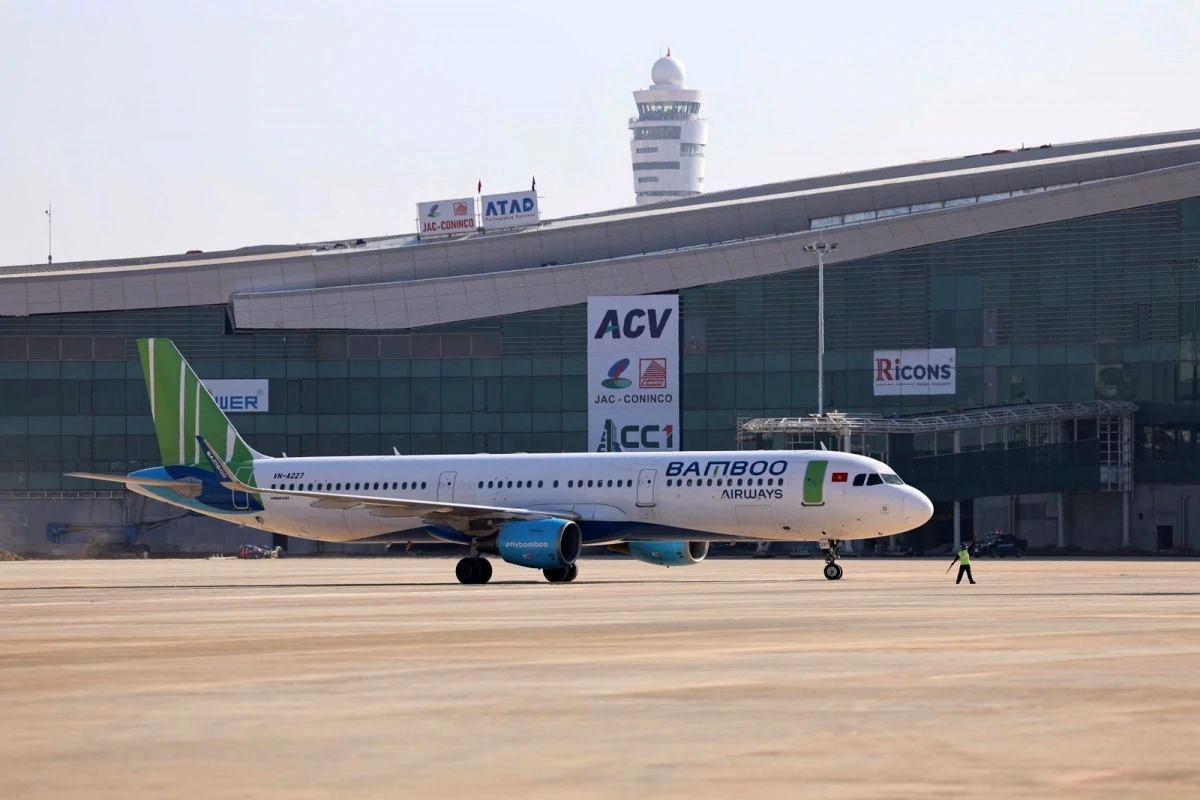
Earlier, during a site visit in November 2025, Party General Secretary To Lam called for building internationally competitive mechanisms for Long Thanh Airport.
He urged ministries and agencies to finalise policies on fees, ground services, aircraft maintenance and cargo transit, while strengthening global promotion strategies.
The goal is to make Long Thanh attractive to international passengers for its convenience, and to airlines for its operational efficiency and investment environment.
The Government Office has since instructed relevant agencies to accelerate the development of policies to attract international carriers ahead of the airport’s launch.
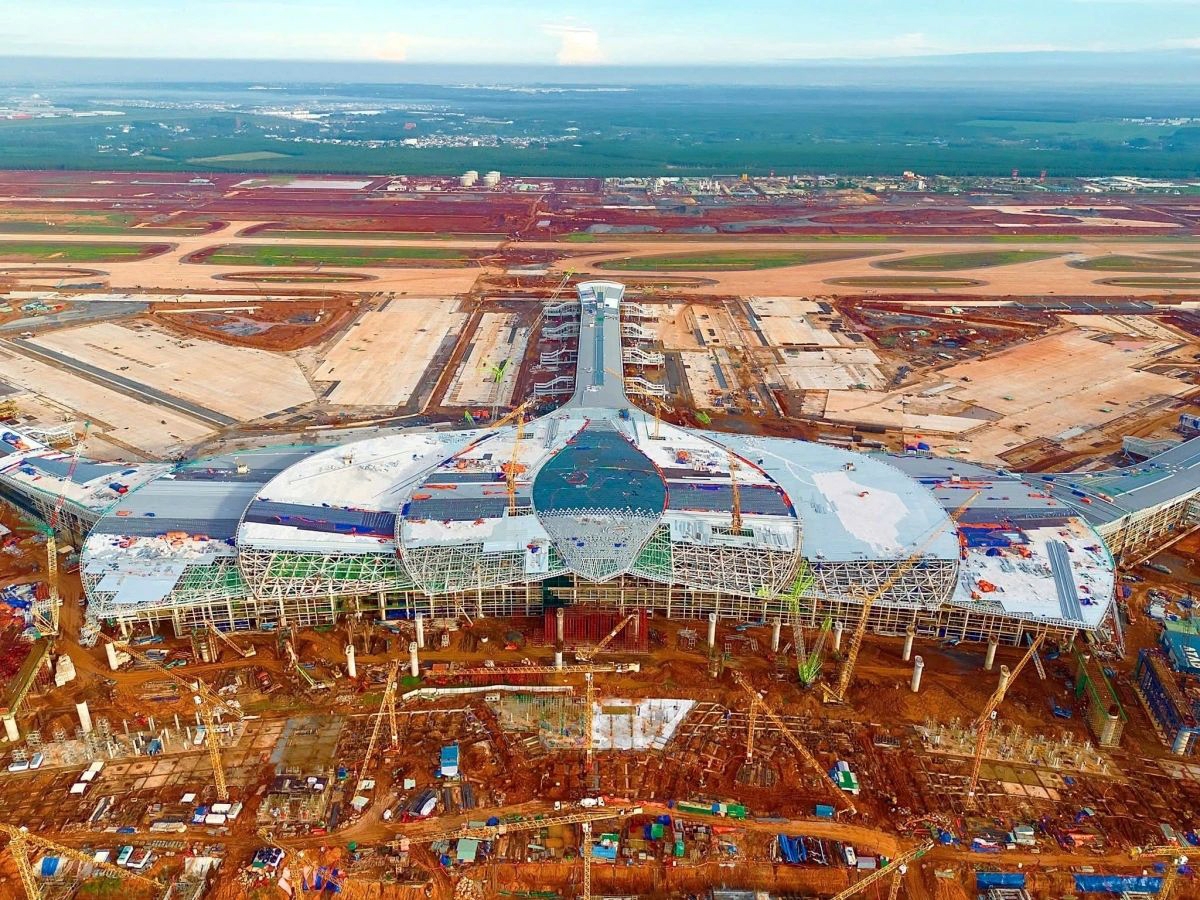
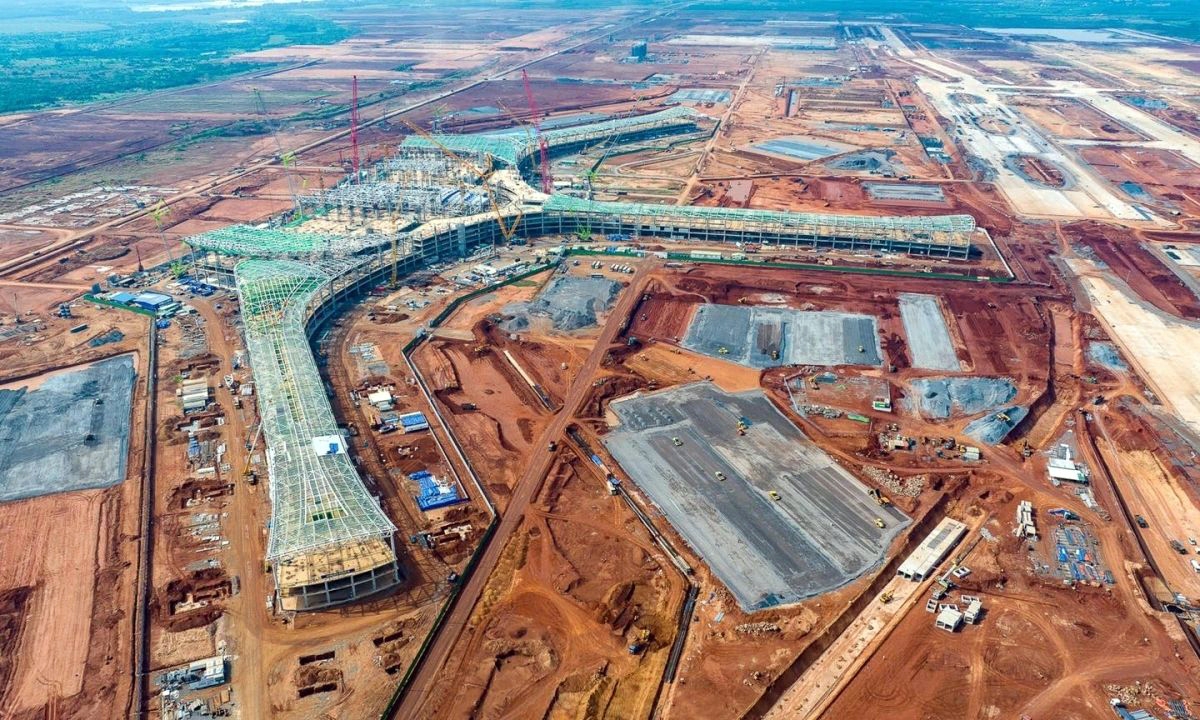
As one of Vietnam’s most important aviation infrastructure projects, Long Thanh International Airport is being developed in Dong Nai city, about 40 km from Ho Chi Minh City.
According to the Airports Corporation of Vietnam, the airport will cover around 5,000 hectares and is designed to meet ICAO 4F standards, the highest classification for international airports, with a total capacity of up to 100 million passengers and 5 million tonnes of cargo per year once fully completed.
The project is now entering the testing phase. Three trial runs are scheduled for September, October and November 2026 before commercial operations begin.
The first phase is currently under development with a designed capacity of around 25 million passengers per year, including one runway and a passenger terminal, and is expected to be rolled out in stages in the coming years.
Once fully completed, Long Thanh International Airport is envisioned as a major international aviation hub for Vietnam, helping ease pressure on Tan Son Nhat International Airport while driving economic and logistics development across the southern region.
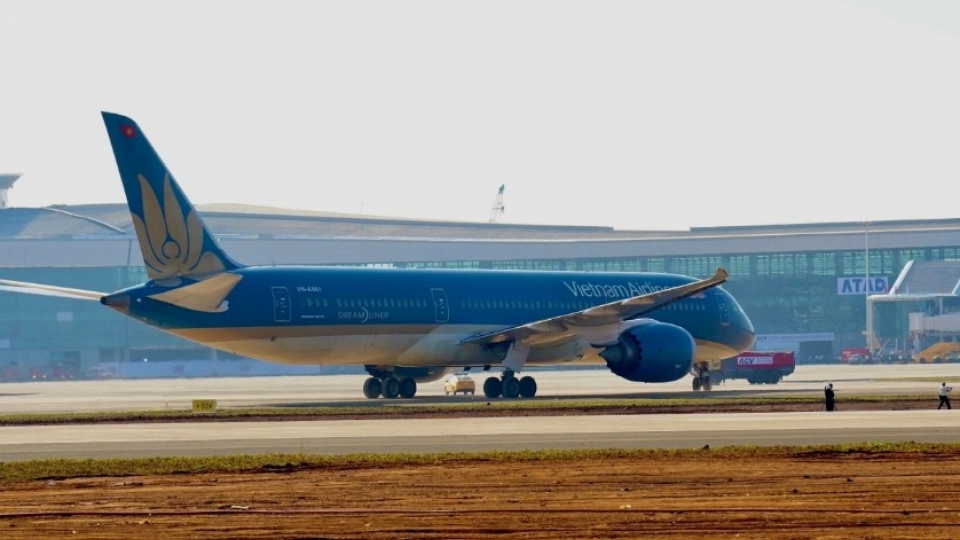
Roadmap set to shift international flights from Tan Son Nhat to Long Thanh
VOV.VN - The Airports Corporation of Vietnam (ACV) has proposed a roadmap to gradually transfer international flights from Tan Son Nhat Airport to Long Thanh Airport from late 2026, aiming for the new airport to handle more than 90% of international passengers in Ho Chi Minh City in 2027.