Lobster exports to China post solid gain in January

VOV.VN - Vietnam’s lobster exports to China continued their upward trajectory in January, rising 6% year on year to US$100.2 million, according to the Vietnam Association of Seafood Exporters and Producers (VASEP).
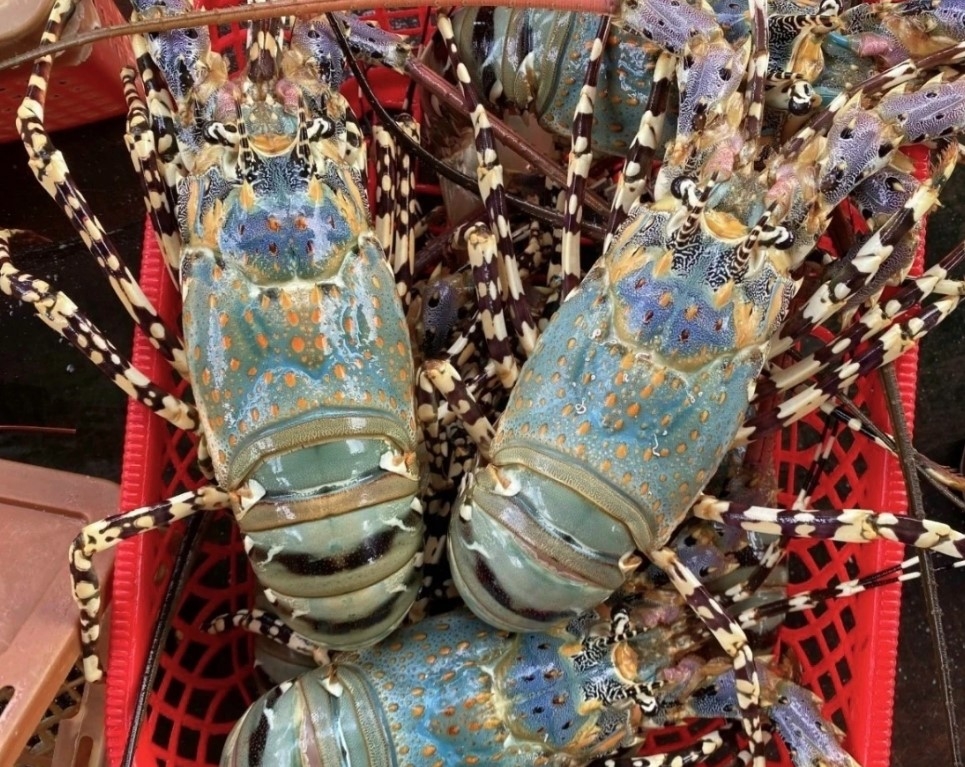
Despite this positive start, Vietnamese exporters are likely to encounter a number of challenges in this market. Beginning in March 2026, the possible removal of the 25% tariff on Canadian lobster, a key supplier to China, could quickly reshape the competitive landscape. Canada is expected to move swiftly to reclaim market share, particularly in premium restaurant and gift segments.
Simultaneously, seafood consumption patterns in China are becoming increasingly polarised. Budget-conscious consumers are gravitating toward lower-priced products, while affluent buyers continue to show strong demand for high-value items such as large shrimp and processed or ready-to-eat seafood products.
The rapid growth of modern retail networks, e-commerce platforms, and restaurant chains has also encouraged consumers to shift away from low-priced frozen shrimp, opening up greater opportunities for premium products, including lobster.
According to VASEP, these changing consumption patterns significantly affect shrimp supply sources, as shrimp demand tends to rise with income growth and rebounds strongly when spending on dining, experiences, and banquets recovers. Meanwhile, the growing divide in consumption is placing pressure on the mid-range segment, while high-end and convenience-oriented products, areas where Vietnam has competitive strengths, continue to record steady growth.
VASEP notes that while China substantially increased lobster imports from Vietnam in 2025 amid a recovery in high-end demand, 2026 would serve as a crucial test year as competition intensifies. Companies that can ensure consistent quality, fast delivery, and strong distribution networks would be best positioned to safeguard their market share.
To sustain growth momentum, businesses are advised to focus on maintaining product quality, standardising specifications, optimising logistics for live and fresh lobster shipments, and strengthening direct partnerships with modern distribution systems.

Lobster exports to China enjoy three-digit growth
VOV.VN - The opening six months of the year witnessed Vietnamese lobster exports to China surge 174% year on year to US$122 million in value, making China the largest consumer of the Vietnamese product, according to the Vietnam Association of Seafood Exporters and Producers (VASEP).