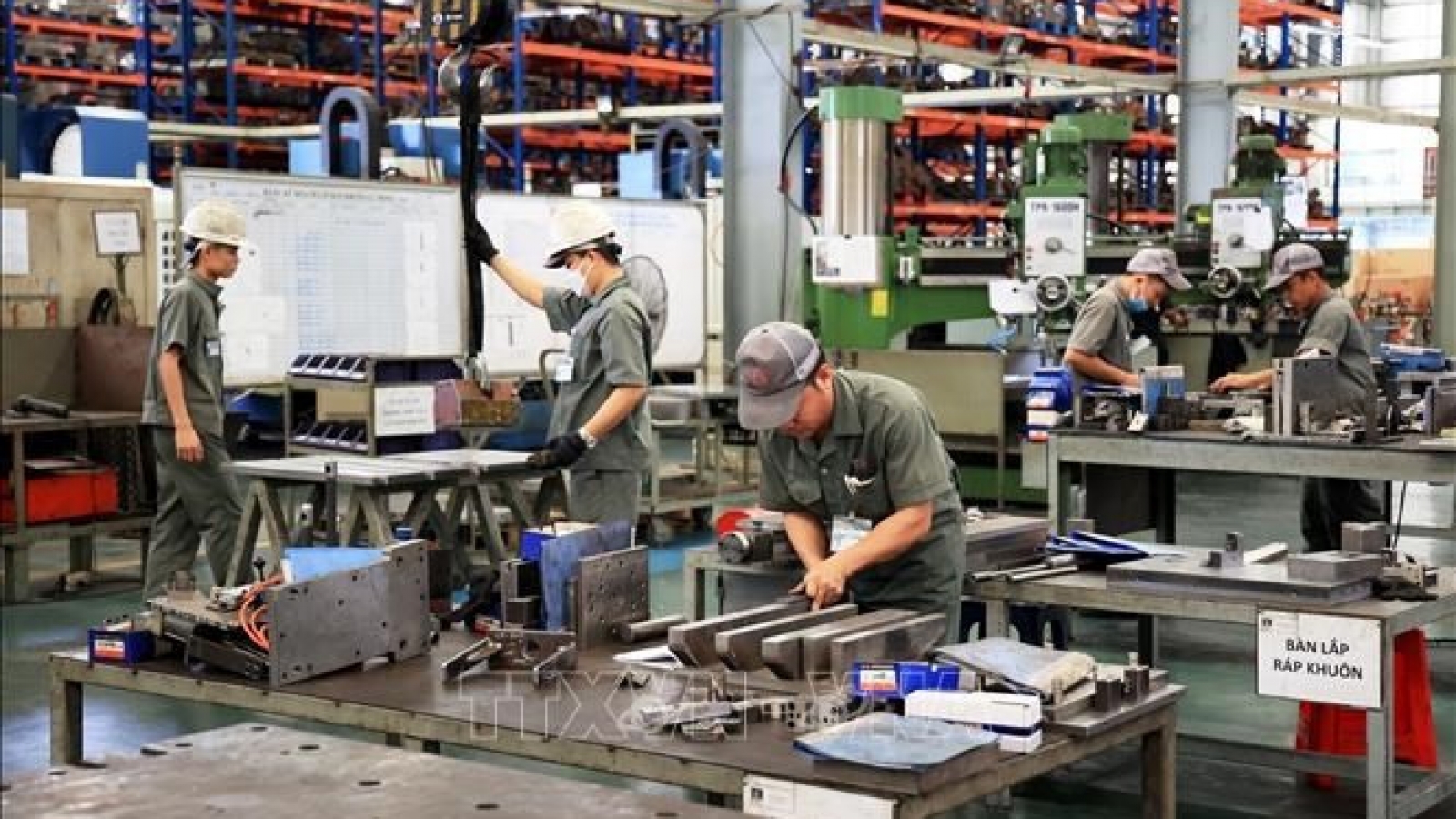
Japanese firms bet on Vietnam as a strategic growth hub

Japanese companies are accelerating investment in Vietnam, expanding beyond manufacturing into retail, housing and consumer sectors as they reposition the Southeast Asian nation as a strategic growth hub in Asia.
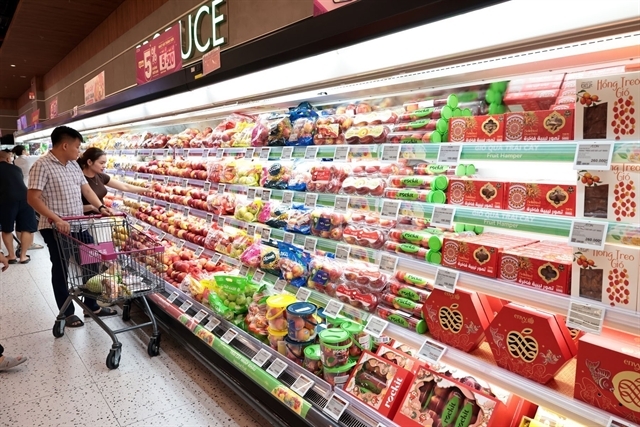
In the first weeks of the second quarter, several Japanese firms announced new projects in Vietnam.
Retailer AEON received a licence for a US$149 million shopping mall project in Bac Ninh Province, while railway and property developer Nishitetsu said it planned to develop around 22,000 affordable homes in Vietnam.
Meanwhile, confectionery maker Fujiya has selected Tay Ninh Province as a production base for its Country Ma’am biscuit line for distribution across Asian markets, including Japan.
The investments highlight how Japanese businesses are upgrading their approach to Vietnam, viewing the country not only as a low-cost manufacturing base or emerging consumer market but increasingly as a strategic part of their regional growth networks, analysts say.
The trend gained momentum following a recent visit to Vietnam by Japanese Prime Minister Takaichi Sanae, during which both sides agreed to target annual Japanese investment of US$5 billion and bilateral trade of US$60 billion by 2030.
The two sides also agreed to deepen cooperation in semiconductors, artificial intelligence, digital transformation and strategic infrastructure, with a focus on technology transfer and moving up global value chains.
Vietnam’s long-term market wager
As Japan faces slower domestic growth, rising costs in China and intensifying geopolitical competition, Southeast Asia has become an increasingly important expansion market for Japanese companies, with Vietnam drawing attention due to its population of more than 100 million, rapid urbanisation and a growing middle class.
Experts say Japanese investment strategies in Vietnam have therefore shifted from primarily leveraging lower labour costs to building long-term consumer, urban and technology value chains.
Where Japanese firms once focused mainly on manufacturing goods in Vietnam for export, many are now investing directly in domestic consumption, including shopping malls, convenience stores, fashion retail and housing developments.
Tezuka Daisuke, executive officer and chief Vietnam business officer of AEON Co (Japan) and general director of AEON Vietnam Co, said Vietnam was the company’s fastest-growing market outside Japan.
Modern retail currently accounted for only 12% to 15% of the Vietnamese market, leaving significant room for expansion, he told saigontimes.vn.
Despite inflationary pressures and rising global costs, AEON reported its highest-ever revenue and operating profit in Vietnam during the first nine months of fiscal year 2025, which ended in November. Operating profit rose by 23% year-on-year to JPY144.7 billion (US$990 million), the online newspaper reported.
A higher strategic position
In addition to AEON, Vietnam is playing an increasingly important role in the corporate strategies of Japanese companies, reflecting a shift from cost-driven manufacturing towards long-term operational integration.
The case of Fujiya illustrates this transition. The production of its flagship Country Ma’am biscuit line in Tay Ninh for participation in regional supply chains, including Japan, indicates that Vietnam is taking on a broader role in Japanese operational networks.
This shift goes beyond labour cost advantages. For Japanese companies, which operate under stringent quality and supply chain standards, the ability to manufacture in Vietnam for export back to Japan signals a notable increase in confidence in local production capabilities, experts noted.
A 2025 survey by the Japan External Trade Organisation (JETRO) found that 67.5% of Japanese firms operating in Vietnam expect to be profitable in the fiscal year ending March 2026, the highest level in more than 15 years.
Vietnam is no longer viewed solely as a low-cost manufacturing base but as a higher-quality investment destination with long-term profit potential, according to Mitsutoshi Okabe, chief representative of JETRO in HCM City.
JETRO also reported that committed Japanese capital in Vietnam is projected to rise by more than 20% in 2025, outpacing other ASEAN markets in the share of firms planning to expand investment.
Vietnam’s emerging competitive edge
However, a gap remains between Vietnam’s role as an expanding manufacturing hub and its ambition to become a technology centre.
During a recent visit to Vietnam, Japanese officials signalled stronger interest in high-tech investment areas such as semiconductors, artificial intelligence and digital transformation.
According to Mitsutoshi Okabe, many Japanese companies are currently exploring opportunities in Vietnam’s semiconductor sector, particularly in packaging, testing and supporting component manufacturing.
Japan has strong capabilities in semiconductor equipment and materials, making this direction highly attractive for Vietnam.
However, the JETRO representative in HCM City noted that most Japanese firms remained in the market research phase rather than committing to concrete high-tech investments in Vietnam.
Key concerns included the availability of skilled human resources, living conditions for foreign experts and the transparency and predictability of the regulatory and investment environment.
Okabe said more time would likely be needed for companies to conduct thorough assessments before making final decisions.
He added that attracting core semiconductor activities such as chip design or wafer fabrication would require Vietnam to invest further in engineering education, utilities infrastructure and the broader supplier ecosystem.
According to JETRO, Japanese firms in Vietnam are also increasingly facing competition not only from other foreign-invested enterprises but also from domestic companies, reflecting the rapid maturation of local industry beyond a purely cost-driven model.
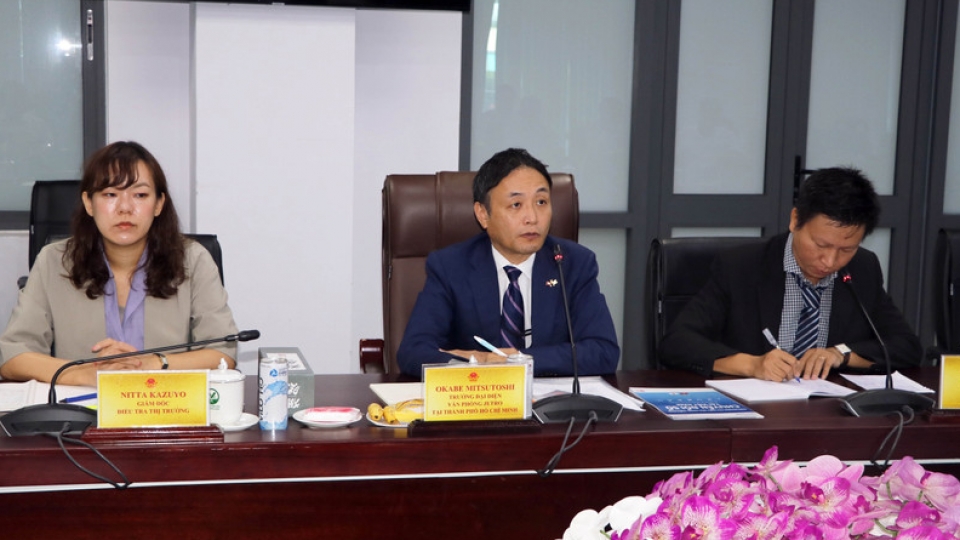
JETRO explores post-merger investment environment in Vinh Long
The Vinh Long People’s Committee on September 30 held a working session with the Japan External Trade Organisation (JETRO) Office in Ho Chi Minh City, led by its Chief Representative Okabe Mitsutoshi, to discuss the Mekong Delta province’s investment environment after its merger.