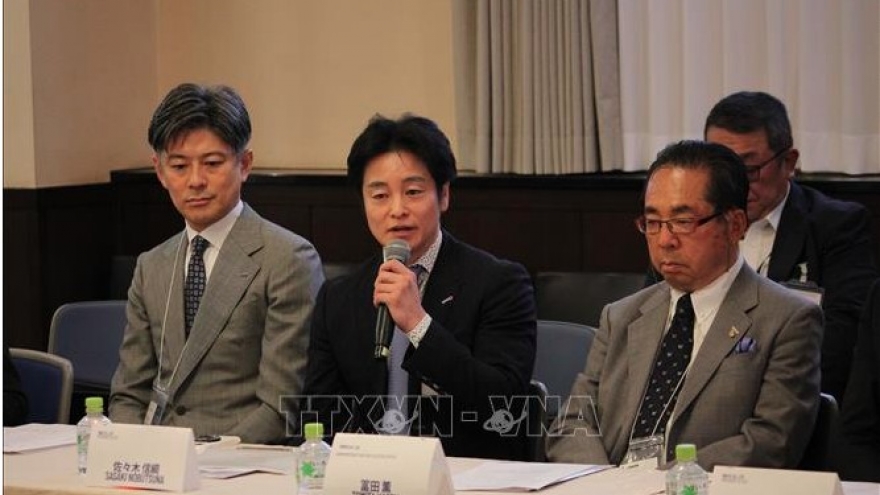
Japanese firms in Vietnam hit 15-year profit high

In 2025, Japanese companies operating in Vietnam posted their highest profit outlook in 15 years, reflecting strong business momentum despite persistent barriers related to institutions, administrative procedures, human resources, according to a survey released on January 26 by the Japan External Trade Organisation.
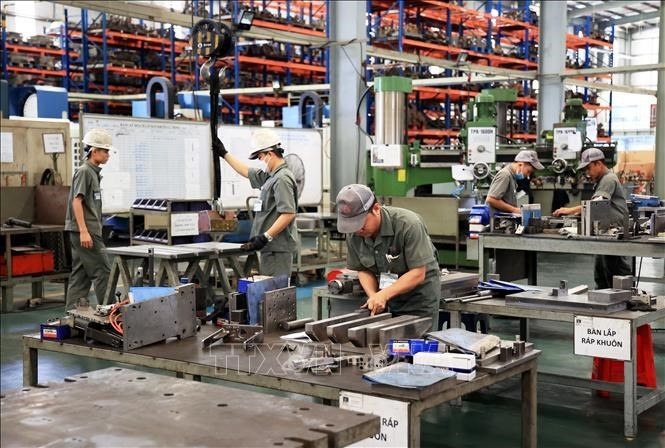
The Japan External Trade Organisation (JETRO)’s 2025 Survey on the Business Conditions of Japanese Companies Investing Overseas shows that 67.5% of Japanese firms in Vietnam expect to be profitable this year, up 3.4 percentage points from 2024 and the highest level since 2009.
Notably, this is the first time in five years that Vietnam has outperformed the ASEAN average of 65.3%. Meanwhile, the proportion of firms forecasting losses fell to 17.6%, down 1.7 points year on year, marking a second consecutive year of improvement.
In the manufacturing sector, the profitability ratio reached 74.1%, up 3.9 points, while the loss-making ratio dropped sharply to 13%. Significant gains, exceeding 15 percentage points were recorded in industries such as paper, wood products and printing; electrical and electronic components; and iron, steel and non-ferrous metals.
In the non-manufacturing sector, 61.2% of firms reported profits, up 3.3 points, although the loss-making ratio edged up to 22%. Real estate leasing, education and healthcare saw profit improvements of more than 20 points, while transport equipment, mining, energy, tourism, entertainment, retail and food services continued to post profitability rates below 50%.
JETRO attributed the manufacturing rebound mainly to stronger export demand, while growth in domestic demand was the key driver for non-manufacturing firms. However, intensifying competition and rising labor costs remain major risks.
Looking ahead to 2026, 47.6% of surveyed firms expect improved profits, though more than 30% of transport equipment and parts manufacturers anticipate a deterioration in performance. Over the next one to two years, 56.9% of Japanese firms in Vietnam plan to expand operations, an increase of 0.8 points year on year, keeping Vietnam at the top of ASEAN for expansion intentions for the second consecutive year. Only 4.2% expect to scale down, and just 0.7% consider relocation or withdrawal.
Regarding US reciprocal tariffs, 35% of Japanese firms in Vietnam export to the US, higher than the ASEAN average. About one-third of these exporters foresee significant negative impacts, mainly due to weaker US demand, though many are responding by cutting costs, renegotiating prices and diversifying markets.
Vietnam’s key investment advantages continue to be market size and growth potential (68.4%), low labour costs (55.2%) and political and social stability (53.2%), all above ASEAN averages. Conversely, complex administrative procedures remain the top concern, cited by 67.5% of firms, alongside legal transparency issues and rising labor costs.
Japanese investment in Vietnam in 2025 was estimated at around US$3 billion, up 19.5% from 2024, with growing interest in digital transformation and high-tech sectors. JETRO emphasised that while Vietnam remains a leading investment destination in ASEAN, further administrative reform, legal transparency and workforce development are critical to sustaining long-term attractiveness.
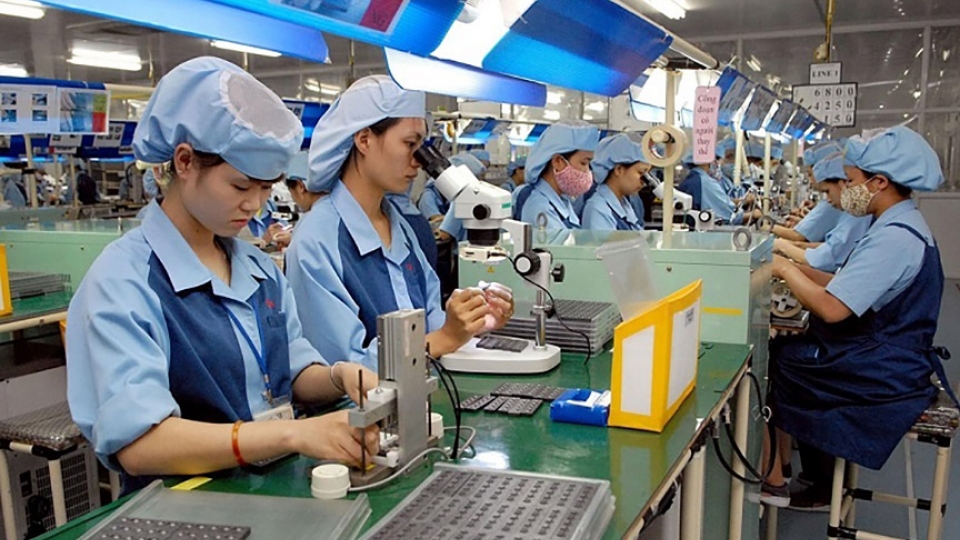
Japanese investment surge unlocks growth potential for Vietnamese SMEs
VOV.VN - The robust wave of investment from Japan is opening up breakthrough opportunities for Vietnam’s small and medium-sized enterprises (SMEs) as they pursue deeper integration and improved international competitiveness.