Strategy shift needed to attract next-generation FDI

VOV.VN - Next-generation foreign direct investment (FDI) is expected to generate higher value added for host economies while meeting stricter standards on advanced technology, knowledge transfer, green development, corporate governance and social responsibility. What does Vietnam need to prepare to capture this new wave?
Next-generation FDI refers to high-quality foreign direct investment that focuses on projects with advanced technology, innovation capacity, research and development (R&D) capabilities and modern management, rather than relying primarily on capital inflows and low-cost labor as in the past. The aim is to facilitate technology transfer, strengthen linkages between foreign-invested enterprises and domestic firms, enable Vietnamese companies to integrate more deeply into global supply chains, and support sustainable development.
What needs to be prepared?
The Politburo’s Resolution No. 50 on orientations to improve institutions and policies to enhance the quality and effectiveness of foreign investment cooperation through 2030 marked a major policy milestone. It was the first time the Politburo issued a dedicated resolution on FDI, opening a new phase of high-quality foreign investment cooperation focused on high technology, core technologies and projects with strong socio-economic spillover effects, particularly targeting large multinational corporations.
After nearly four decades of success in attracting FDI, Vietnam is now facing a historic opportunity to position itself for higher-quality foreign investment in high-tech and innovation-driven sectors.
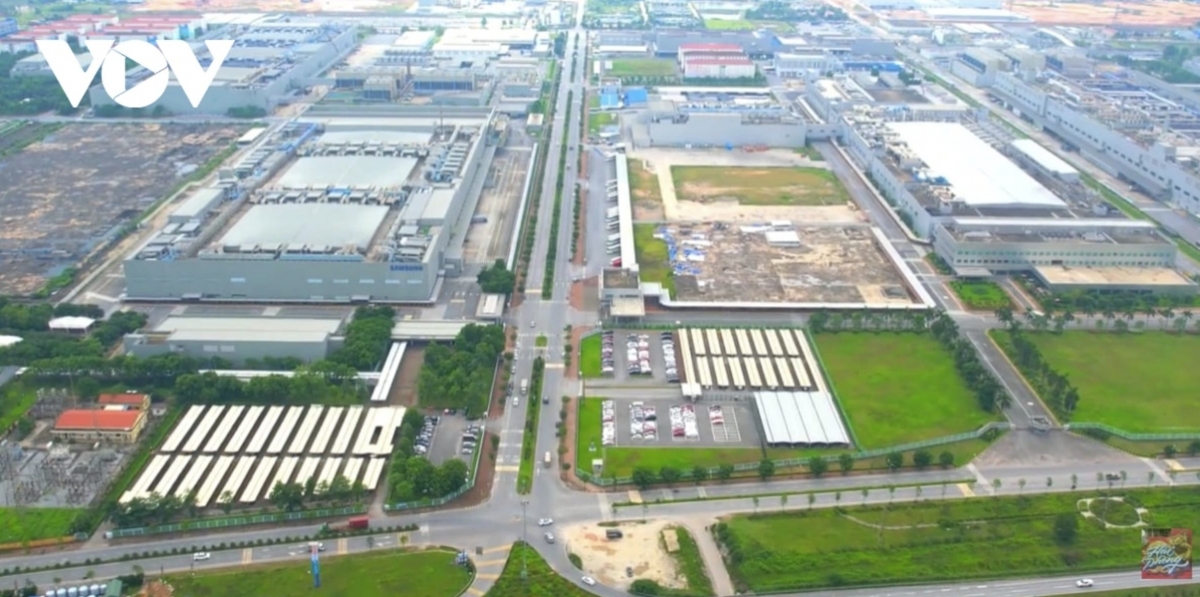
On what Vietnam needs to do to be fully prepared, Nguyen Phuong Nga, Deputy Chief Executive Oficer of CNCTech Group, said industrial park infrastructure must be the first priority. Multinational corporations are looking for destinations with stable manufacturing ecosystems, reliable infrastructure and a high level of readiness to ensure supply chain flexibility, placing significant demands on host countries such as Vietnam.
“Industrial park infrastructure is no longer limited to cleared land or basic factory space,” Nga said. “Next-generation FDI investors, particularly in high-tech, electronics and precision engineering, require a comprehensive ecosystem that includes international-standard infrastructure, modern logistics, full business support services, technology integration capacity and, critically, green standards and ESG compliance. Beyond infrastructure, high-quality human resources are also essential, as this is a top concern for major foreign investors.”
As Vietnam seeks to attract next-generation FDI, its industrial parks face pressure to shift from land-leasing zones to integrated ecosystems combining services, green infrastructure and digital platforms capable of meeting the requirements of high-tech investors, according to Bach Ngoc Tung, Director of ACUD Vietnam Construction Technology JSC. He said several bottlenecks continue to hinder the transition from traditional industrial parks to eco-industrial models.
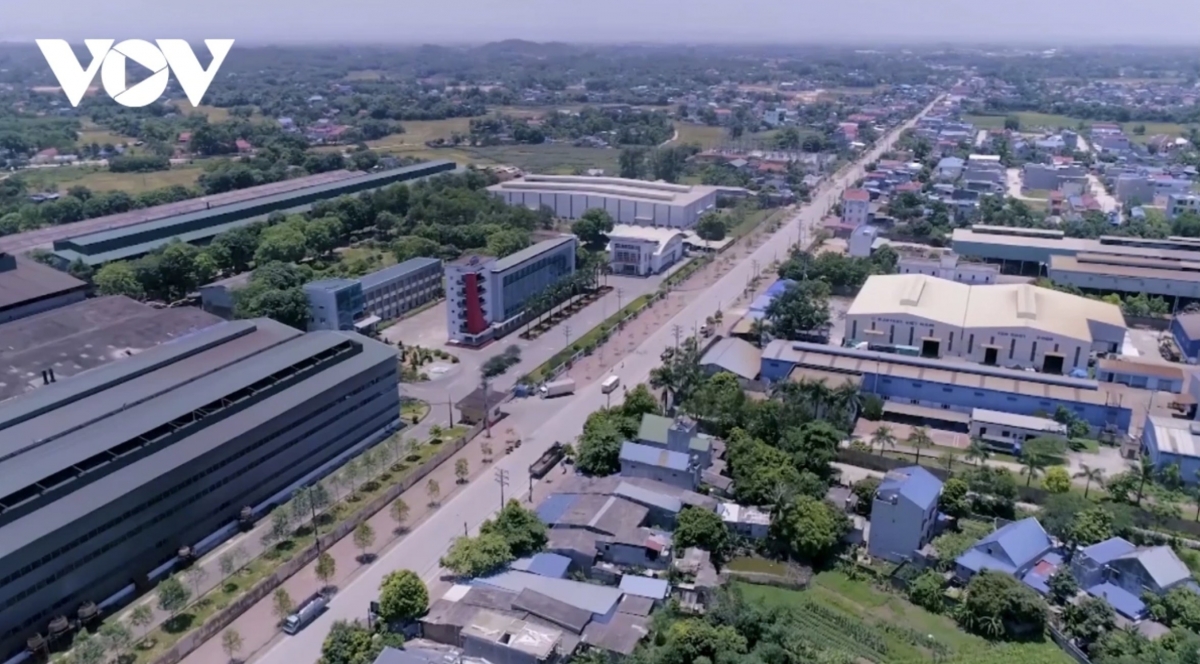
“There are five main bottlenecks,” Tung said. “First, financial barriers, as initial investment costs for green infrastructure and advanced treatment technologies are 15-20% higher than those of traditional industrial parks, while access to green credit and green bonds remains limited. Second, many domestic small and medium-sized enterprises lack capital, technology and R&D capacity to participate in waste-to-resource initiatives. Third, information and data gaps are a serious constraint, as companies within the same industrial park often do not know what neighboring firms discharge or require as inputs, limiting opportunities for industrial symbiosis. Fourth, coordination among state management agencies remains insufficient, particularly in licensing pilot projects for new models. Fifth, corporate awareness remains low, with many firms viewing environmental protection as a cost rather than an investment opportunity.”
Shifting the FDI attraction strategy
To succeed in attracting next-generation FDI, Vietnam needs to shift away from a strategy based primarily on tax incentives toward one centered on infrastructure quality, the investment environment, high-quality human resources and transparent institutions, said Phan Huu Thang, former head of the Foreign Investment Agency under the Ministry of Finance and chairman of the Industrial Park Finance Association.
He recommended that the government promptly issue a national strategy for next-generation FDI for the 2025–2035 period; approve a national set of criteria for different regions; and develop special incentive packages for high-tech and semiconductor projects.
“The Ministry of Finance should complete the legal framework for green and eco-industrial parks, establish a national FDI data mechanism, and define tax incentives for R&D and innovation,” Thang said. “Currently, about 70% of foreign-invested enterprises in Vietnam are fully foreign-owned, while the capacity of domestic small and medium-sized enterprises remains limited. As a result, even when FDI firms wish to form joint ventures, it is difficult to find suitable local partners for technology and knowledge transfer. Greater emphasis should therefore be placed on developing high-quality human resources for younger generations, with vocational training delegated to localities to meet regional and enterprise-specific labor demand.”
According to the General Statistics Office under the Ministry of Finance, total registered FDI into Vietnam reached US$38.42 billion as of December 31, 2025, up 0.5% from 2024. A bright spot was FDI disbursement, which totaled about US$27.62 billion in 2025, up 9% year on year and the highest level recorded during the 2021-2025 period.
The Ministry of Finance is developing a scheme to attract next-generation FDI, with dedicated orientations and competitive strategies aimed at supporting sustainable development, including a shift in focus toward high technology, core technologies, semiconductors, artificial intelligence, R&D and innovation.
The scheme is expected to serve as a guiding framework for foreign investment cooperation in the coming period. However, for Vietnam to become a “second home” for major foreign investors, further reforms remain necessary, particularly in institutions and the business environment, to ensure that FDI inflows genuinely act as a catalyst for innovation and help domestic enterprises strengthen their position in global value chains.

Vietnam – a success story in FDI attraction in Asia: British media
VOV.VN - The British newswire fdiintelligence.com has published an article, highlighting why many Asian economies, Vietnam in particular, are able to effectively leverage foreign direct investment (FDI) to achieve economic growth, while others struggle to convert inflows into sustainable development.