
Ho Chi Minh City’s post-Tet labour market sees rising recruitment demand

Following the nine-day Lunar New Year (Tet) holiday, the labour market in Ho Chi Minh City has swiftly regained momentum, with recruitment demand rising sharply across key sectors.
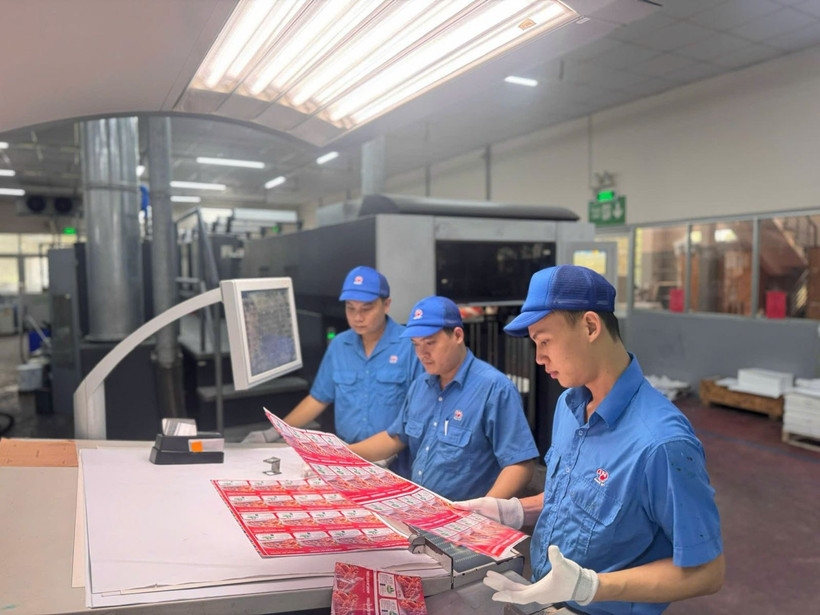
In the early months of 2026, businesses are projected to require approximately 55,000 additional workers, primarily in manufacturing, trade, services, and logistics, creating substantial employment opportunities.
Demand for unskilled and semi-skilled labour has surged, after Panko Vina Co., Ltd. in My Phuoc 1 Industrial Zone, Ben Cat ward, ceased operations in late 2025 due to order shortages, affecting some 2,700 workers. Eight companies quickly stepped in to recruit around 3,600 employees from this workforce.
In other industrial zones, firms have also announced large-scale hiring plans, offering starting salaries ranging from VND8–15 million (US$300-570) per month for workers, warehouse staff and seasonal employees, while managerial and technical positions may command VND30–60 million depending on qualifications.
In the footwear sector, PouYuen Vietnam plans to recruit around 3,000 additional workers as production orders stabilise through mid-2026. The company has also adopted more competitive wage and welfare policies while expanding post-recruitment training, particularly for young workers without prior experience.
Despite robust demand, recruitment challenges persist. Skill mismatches, limited practical experience and concerns over workforce stability remain key obstacles. Older workers often face difficulties adapting to new technologies and modern production environments. Post-holiday labour mobility has also contributed to localised shortages in the first quarter, as some employees delay returning to the city or shift industries.
Beyond general labour, the market also faces shortages of high-quality human resources. According to insiders, demand in technology, data, fintech, advanced manufacturing, green energy and logistics continues to grow. Automation and artificial intelligence are reshaping the labour market, requiring multi-skilled, adaptable workers with foundational digital competencies. Employers increasingly prioritise practical skills, work attitude and learning capacity over formal qualifications.
Data from the Ho Chi Minh City Employment Service Centre show that in 2025, businesses registered over 313,000 vacancies, while fewer than 192,000 job seekers entered the market, indicating a persistent supply–demand imbalance. Structural challenges remain, including a low rate of short-term vocational training and mismatches in age, gender, and skill composition.
As Ho Chi Minh City and the southern key economic region accelerate growth, experts emphasise that the central issue is not merely the number of jobs available, but the alignment between workforce capabilities and enterprise needs. Proactive training, stronger labour-market forecasting and improved working conditions will be critical to sustaining stable and inclusive growth in 2026.

Lunar New Year average bonus for workers up 13%
The average bonus for the Lunar New Year (Tet) holiday rose by 13% year on year to VND8.69 million per employee, according to the Ministry of Home Affairs.
