Ho Chi Minh City announces IFC founding investors, shapes operational structure

Ho Chi Minh City has announced the founding members and strategic investors of the freshly launched Vietnam International Financial Centre there (VIFC-HCMC), outlining its market structure and operational direction.
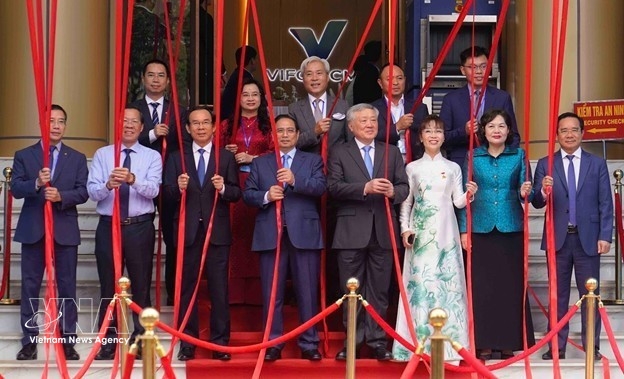
According to investors, the move signals both readiness for implementation and strong determination to build a financial hub capable of connecting with and attracting international capital flows.
Founding and strategic investors announced
The list of founding members of VIFC-HCMC includes major names in banking, investment and capital markets, such as Sovico Group, Military Commercial Joint Stock Bank (MBBank), Tien Phong Commercial Joint Stock Bank (TPBank), Saigon-Hanoi Commercial Joint Stock Bank (SHB), SonKim Capital, VinaCapital and Nasdaq.
Meanwhile, strategic investors include Nam A Commercial Joint Stock Bank, the Ho Chi Minh City Finance and Investment State-owned Company (HFIC), the University of Economics Ho Chi Minh City (UEH), the Global On-chain Economic Alliance, Gemadept Corporation and TikTok.
From a capital-market perspective, the structure reflects three core layers of capability: domestic commercial banks, international investment and fund management institutions, and technology-enabled commerce platforms. This suggests that VIFC-HCMC aims not only at traditional financial transactions but also at building a multi-layered financial ecosystem covering supply-chain finance, aviation finance, digital finance and cross-border commerce. Members are expected to contribute not only as independent entities but also through their broader ecosystems, including customer networks, financial-technology partnerships, operational experience from international financial centres and risk-management capabilities. The model is expected to create synergies, shorten the time required to develop a deep financial market and enhance the centre’s regional competitiveness.
From an investor’s perspective, Don Lam, Chief Executive Officer and Founding Partner of VinaCapital, said one key benefit of the international financial centre would be its potential to reduce the cost of capital in Vietnam, enabling domestic enterprises to expand and grow while helping the country gradually strengthen its position in the global value chain. Such investments, he noted, would bring broad and sustainable socio-economic benefits to people across the country.
VinaCapital pledged to support the centre’s development by strengthening connections with international investors, promoting the participation of foreign financial institutions and contributing to the promotion of Vietnam’s investment climate.
Nguyen Thi Phuong Thao, chairwoman of Sovico Group, stressed that the core of a financial centre lies not only in capital scale but also in trust. She said global aviation corporations such as Boeing and Airbus, along with the International Air Transport Association, have expressed interest in and support for the development of an aviation finance centre in Ho Chi Minh City.
Sovico is committed to connecting international capital flows, implementing new financial models, investing in digital transformation, green and inclusive finance, and developing high-quality financial-technology human resources in the country.
Commitment to accompanying investors
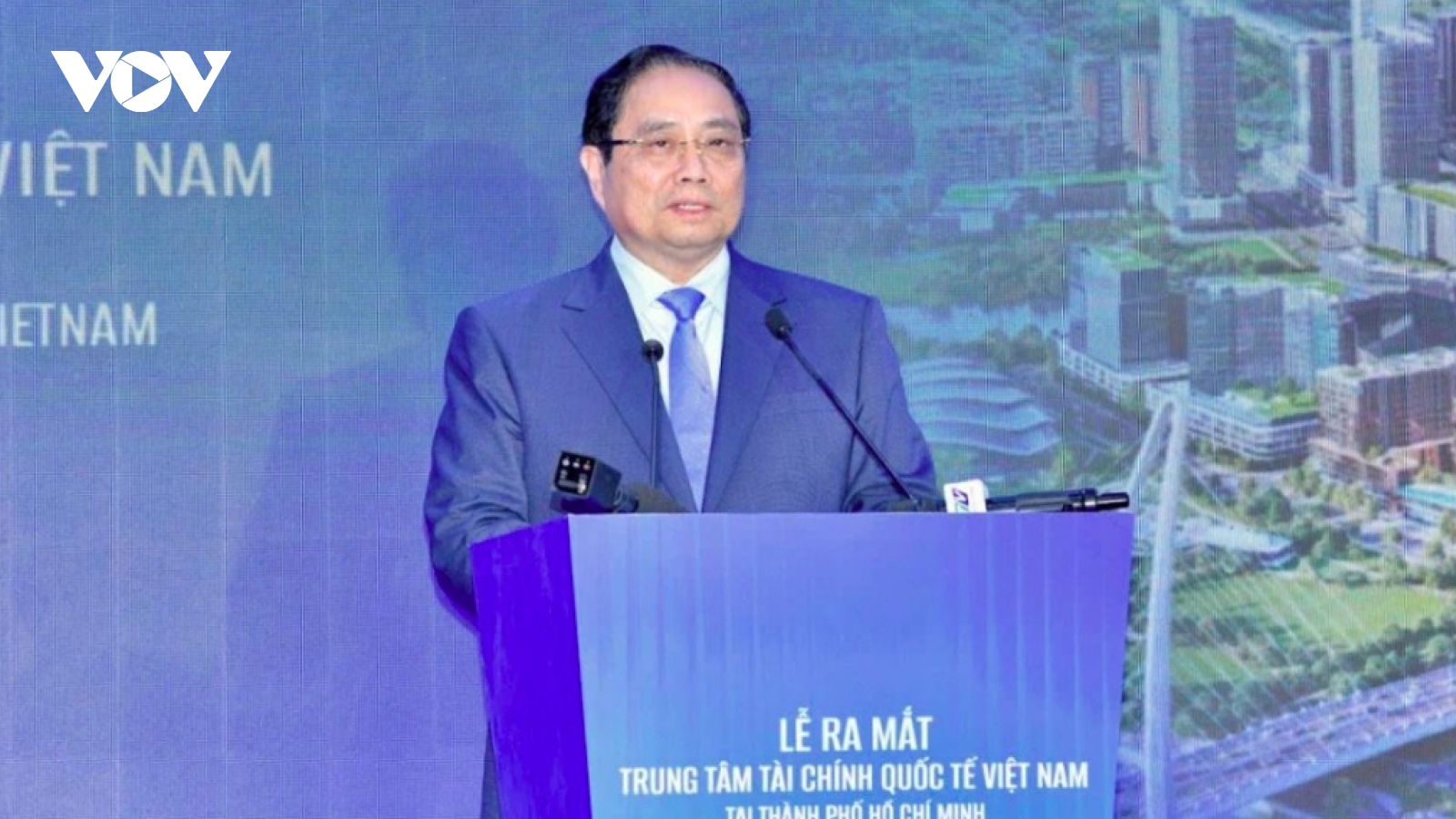
Speaking at the launch ceremony, Nguyen Van Duoc, Chairman of the municipal People’s Committee, said VIFC-HCMC is positioned as a central platform and a bridge linking Vietnam’s financial market with regional and global ones.
Beyond attracting capital for domestic economic development, the centre is expected to become a destination for financial services, knowledge-based services and internationally aligned financial activities.
According to the VIFC-HCMC operating agency, after just over one month of operation, the centre has recorded initial foundational results, with key market components beginning to take shape and committed capital reaching billions of US dollars.
Its aviation finance centre has secured commitments of US$6.1 billion, reflecting early interest from international investors. A maritime-finance component supporting trade and logistics financing has also been developed, expanding service space for import-export businesses. The city has mobilised around US$2 billion for smart-city data infrastructure programmes and financial projects supporting socio-economic development.
In the digital-finance sector, an investment fund for the city’s on-chain economy has been announced with committed capital of US$1 billion, focusing on blockchain, asset tokenisation and next-generation financial models.
In addition, billions of US dollars in cross-border commercial transactions by TikTok are to be processed through the centre’s interbank and financial system in the coming period, contributing to increased liquidity and international transaction volume.
To support investor access to information, VIFC-HCMC has launched an online portal at https://vifc.hochiminhcity.gov.vn/vi.
The municipal administration will accompany investors and consider effectiveness and practical results as the highest measure of success, Duoc stressed.
However, experts noted that moving from policy commitments to real competitiveness remains a long journey. Asia already hosts well-established financial centres with stable legal ecosystems, diverse financial products and specialised human resources. To compete, VIFC-HCMC will need not only initial capital commitments but also consistent institutions, stronger governance standards, transparency and the continuous development of competitive financial products.
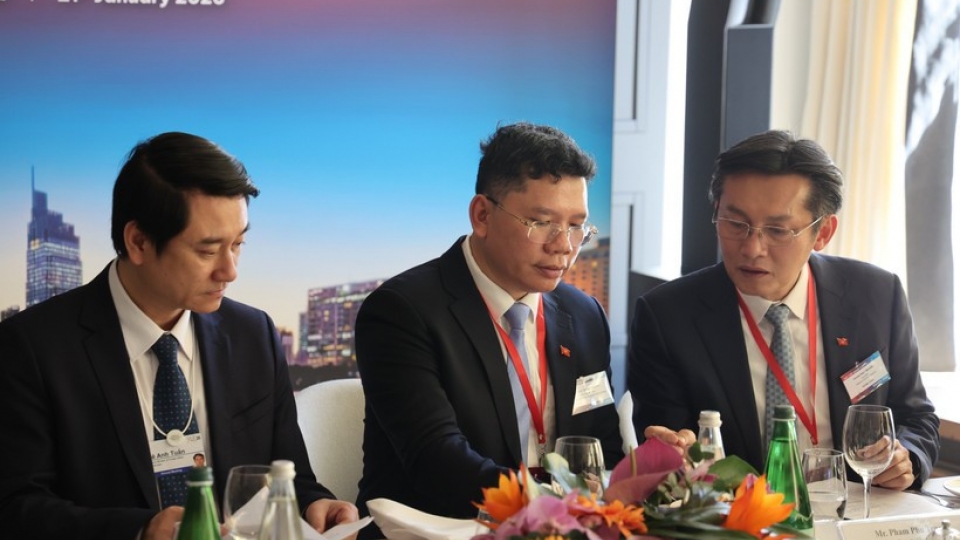
Ho Chi Minh City showcases Vietnam International Financial Centre at WEF Davos
As competition among global financial hubs intensifies, Ho Chi Minh City is moving to carve out a distinct position with a “latecomer but different” strategy, placing institutional reform and innovation at the heart of its competitiveness.