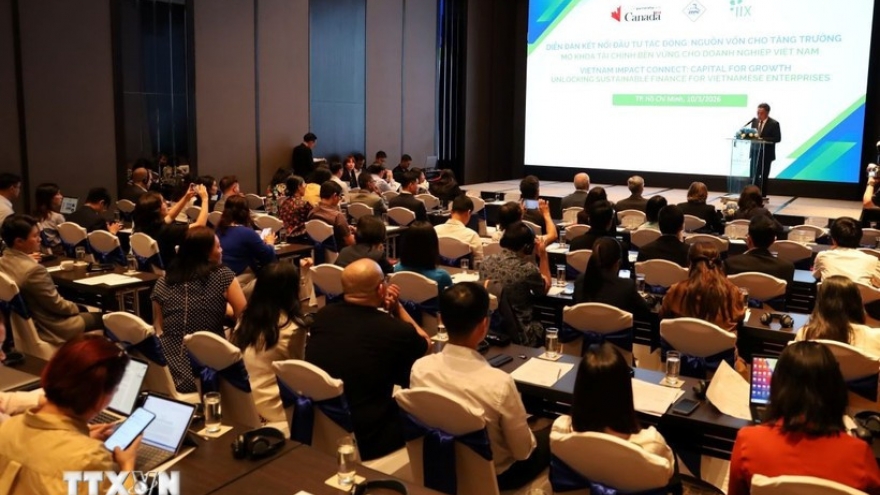
Hanoi holds dialogue to remove bottlenecks for SMEs

VOV.VN - Hanoi convened a conference on April 16 to engage small and medium-sized enterprises, aiming to implement Politburo Resolution 68 on private sector development while directly addressing bottlenecks and boosting sustainable business growth.
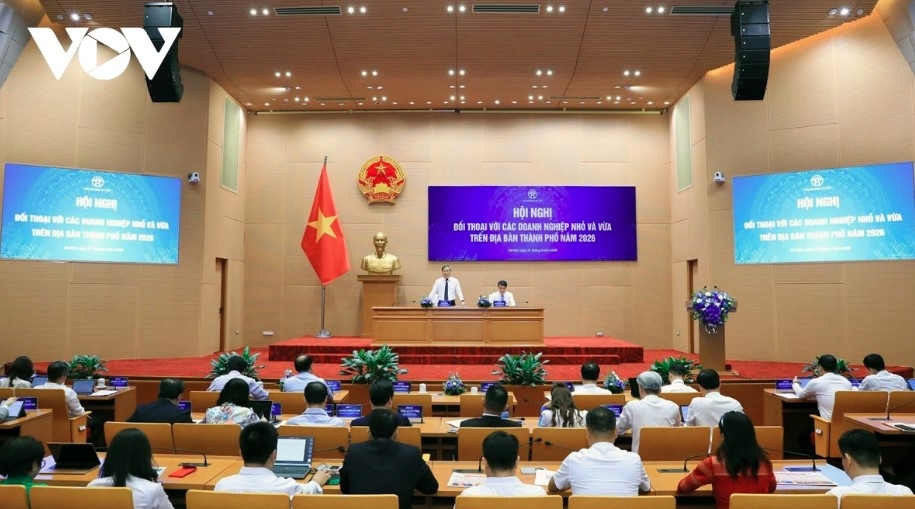
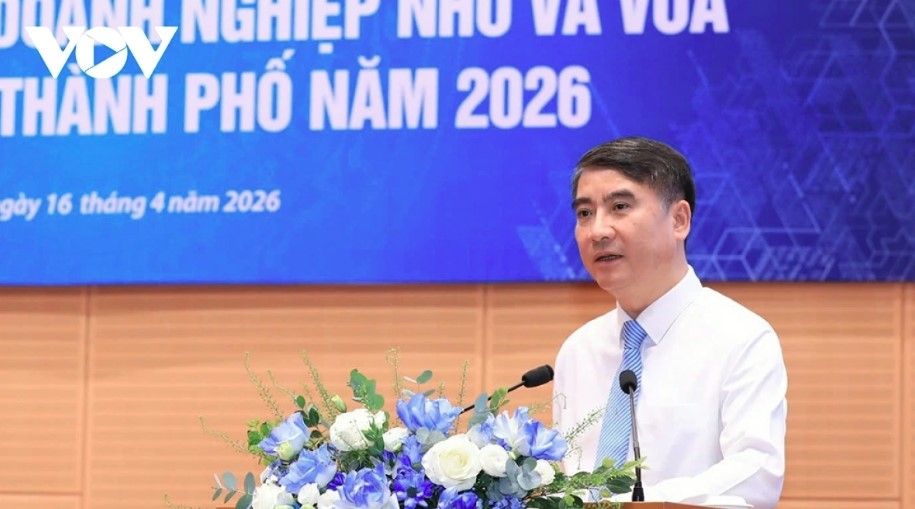
Addressing the event, Vice Chairman of the Hanoi People’s Committee Nguyen Xuan Luu emphasised that beyond providing policy and economic updates, the conference serves as a platform for businesses to raise concerns, enabling the city to swiftly identify and address obstacles.
The dialogue, he said, also forms part of broader efforts to implement policies on enterprise growth, including Politburo Resolution 68 on private sector development and Politburo Resolution 79 on state sector development.
Luu noted that in 2026, global and regional conditions remain complex and unpredictable, with prolonged geopolitical tensions affecting energy prices, global supply chains and the business environment, placing pressure on enterprises.
Amid these challenges, Hanoi has pursued decisive and coordinated measures, achieving encouraging results in the first quarter. Gross Regional Domestic Product (GRDP) growth rose 7.87%, among the highest in recent years. State budget revenue exceeded VND260.7 trillion, reaching 40.1% of the annual estimate, while local budget spending totaled more than VND52.2 trillion.
Foreign direct investment hit nearly US$480 million, while more than 9,000 enterprises were established, with total registered capital rising sharply. The trade and services sector also maintained strong growth, with total retail sales and consumer service revenue increasing by over 11%.
“These results reflect the significant contribution of the business community, particularly SMEs, which are dynamic, flexible and play a central role in the capital’s economy,” Luu said, commending entrepreneurs for their initiative, creativity and resilience.
However, he acknowledged that the outcomes remain preliminary and fall short of breakthrough expectations. Some growth drivers have yet to fully realise their potential, while businesses continue to face challenges in accessing capital, land and production space, alongside rising input costs. Administrative procedures in certain areas remain slow, affecting business operations.
He said the city is shifting from a “management” approach to one focused on facilitation and service, placing businesses at the centre of development while prioritising institutional reform, modern infrastructure, resource mobilisation, and advances in technology, innovation, digital transformation and high-quality human resources.
Notably, the amended Capital Law is expected to be passed by the 16th National Assembly at its ongoing first session. The revised law is expected to grant the city greater autonomy in governance and administration, with authorities urging businesses to provide feedback to ensure policies are practical and effective, particularly in credit, finance, land and administrative procedures.
The municipal leader called on the business community to further promote proactivity and innovation, enhance competitiveness, accelerate the adoption of science and technology, ensure legal compliance and transparency in operations, and actively contribute to policymaking while partnering with the city in its development process.
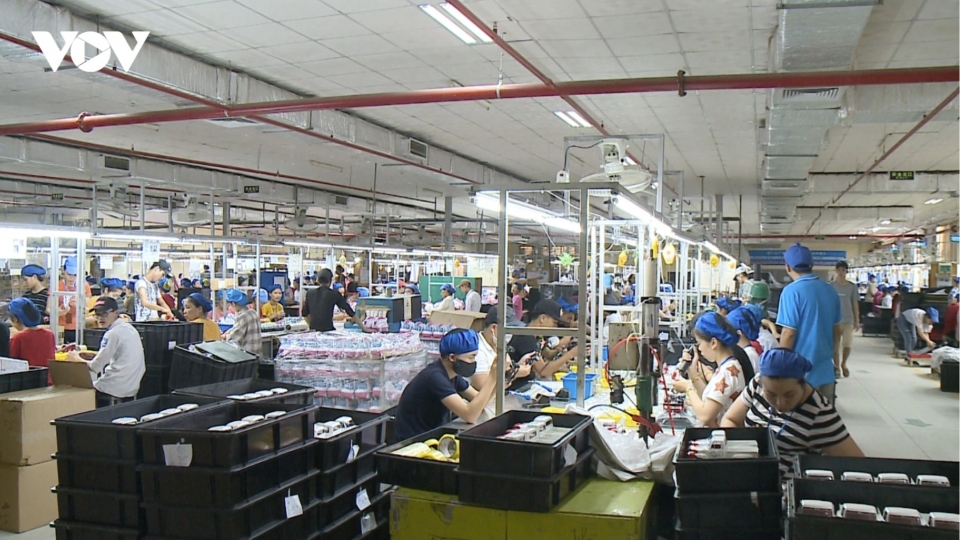
Strengthening internal capacity in SMEs
VOV.VN - Experience in developed economies shows that building “healthy” businesses requires active state policies to strengthen corporate fundamentals. In Vietnam, however, such mechanisms remain constrained by persistent structural bottlenecks.