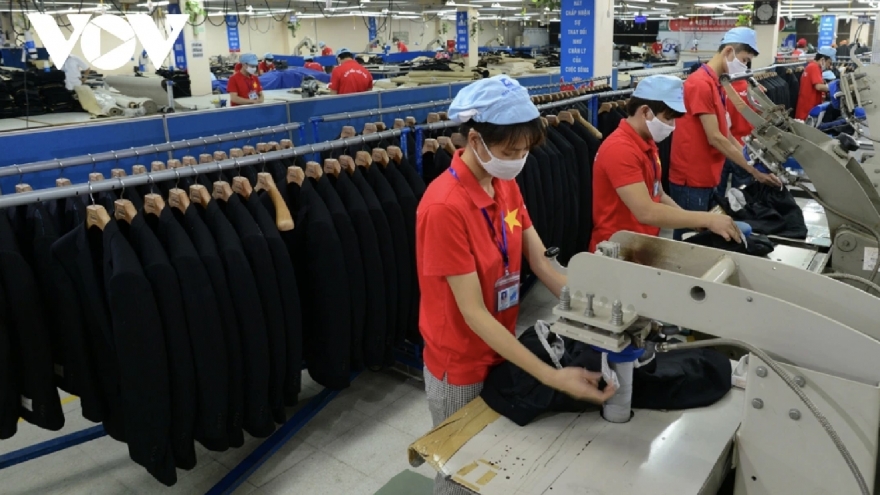
Global supply chains under the wave of technology competition

VOV.VN - From semiconductors and artificial intelligence (AI) to new energy, technology competition is driving a wave of shifts in global supply chains and opening up new opportunities for developing economies.
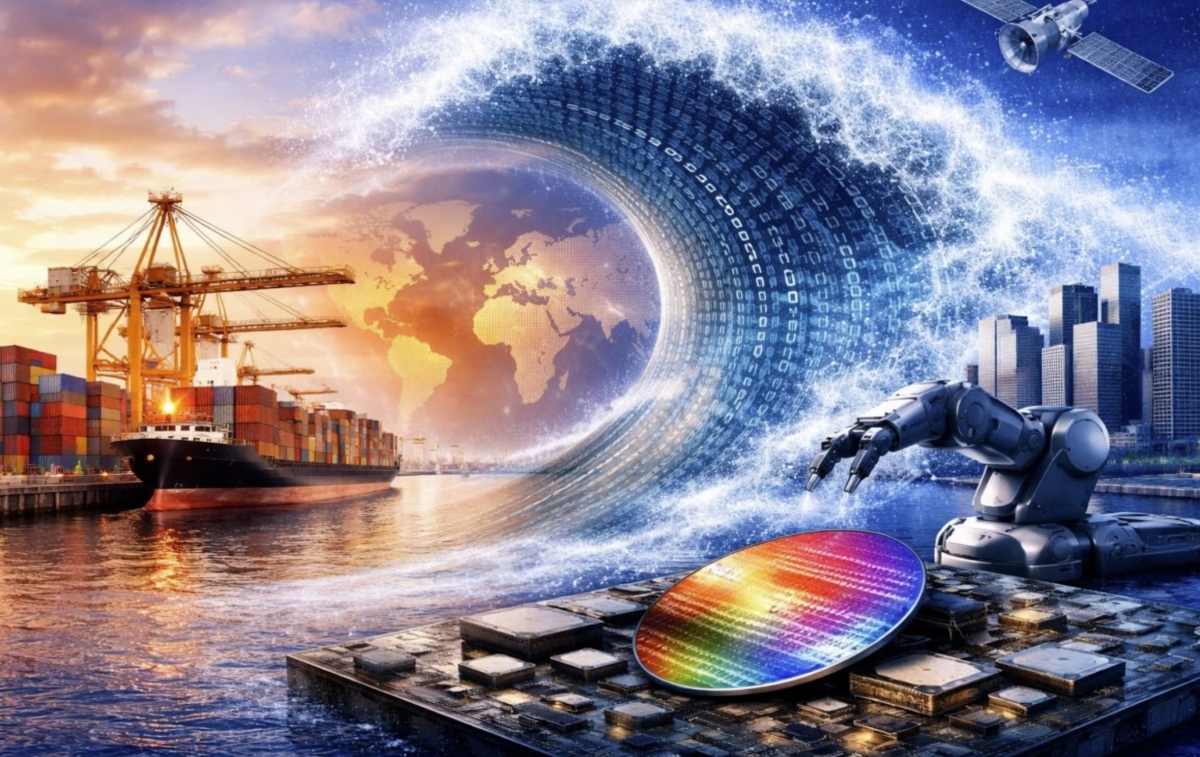
Amid intensifying strategic competition among major powers, technology is becoming a decisive factor in the restructuring of supply chains and the shaping of the global economic order, forcing countries and businesses to reorganise supply chains to ensure economic security and strategic advantage.
From cost optimisation to technology security priorities
For decades, global supply chains were built mainly on the principle of cost optimisation. Multinational corporations distributed each stage of production to locations with low labour costs, favourable infrastructure and a stable business environment. This model helped boost international trade, lower product prices and create increasingly extensive cross-border production networks.
However, the global economic and political landscape has seen notable changes in recent years. The COVID-19 pandemic, geopolitical tensions and fierce competition in high-tech sectors have exposed vulnerabilities in global supply chains that depend too heavily on a limited number of manufacturing hubs. Disruptions in transport, shortages of components and input materials have caused many industries to stall.
In response, many countries and businesses have begun to adjust their strategies. Rather than focusing solely on economic efficiency, governments are placing greater emphasis on economic security and technological sovereignty. Policies promoting domestic production, diversifying supply sources and building supply chains have been introduced.
The trend of “supply chain restructuring” is becoming a defining feature of the global economy. Large corporations no longer concentrate all production activities in a single location, but spread them across multiple countries to reduce risks. This is reshaping the global production map.
AI exerts strong impact on supply chains
According to Mattias Hansson, Director and Head of Clients & Operations at KPMG Sweden, several trends are exerting strong influence on global supply chains in 2026, notably AI.
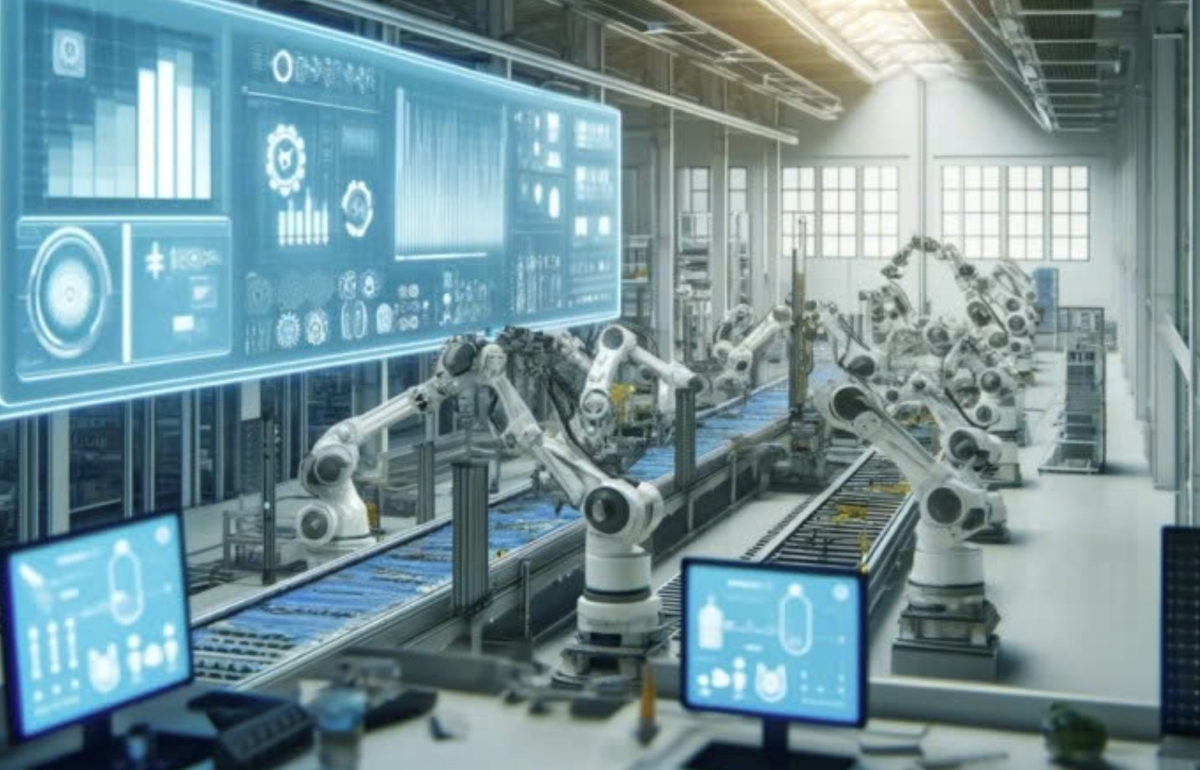
Supply chains may shift from using AI solutions at an interaction level to integrating AI into platforms such as Source-to-Pay, as well as into supply chain planning and risk management tools to enhance efficiency and governance, he said.
Supply chains will achieve “connected intelligence”, in which AI across the enterprise links supply chains with procurement, finance and human resources systems, forming an intelligent, automated ecosystem. More supply chain leaders are increasingly willing to invest in AI applications to improve operational efficiency.
According to analysis by Xeneta, a global freight intelligence platform, the adoption of AI and automation is accelerating across supply chain functions such as planning, forecasting, quality management, procurement and risk management.
However, Xeneta experts caution that AI should be used to strengthen judgement and provide support, rather than fully replace humans. In logistics, human factors, market dynamics, carrier behaviour and geopolitical risks still require close attention. AI can support better decision-making, but should not be blindly automated.
New opportunities from supply chain shifts
In global technology competition, the semiconductor sector is considered the “heart” of the digital economy. Semiconductor chips are core components in most modern devices, from smartphones and computers to automobiles and industrial and defence systems. As a result, control over semiconductor supply chains is becoming a strategic priority for many countries.
Alongside semiconductors, fields such as artificial intelligence, energy storage batteries, clean energy and next-generation telecommunications technologies are also becoming focal points of competition. These technologies bring substantial economic benefits and shape the ability to set future global technology standards.
This competition is accelerating the relocation of production to new regions. Many developing economies, particularly in Southeast Asia, are emerging as potential destinations thanks to advantages in workforce, market size and geographical position. Investment flows are moving towards countries with stable political environments, improving infrastructure and deeper integration into international trade.
For Vietnam, this is an important opportunity to engage more deeply in global technology supply chains. With an extensive network of free trade agreements, a young workforce and an improving business environment, the country is attracting a growing number of projects in electronics, high technology and smart manufacturing.
For developing economies such as Vietnam, capturing trends, strengthening internal capacity and making use of opportunities from supply chain restructuring will be key to achieving breakthroughs in the digital economy era.
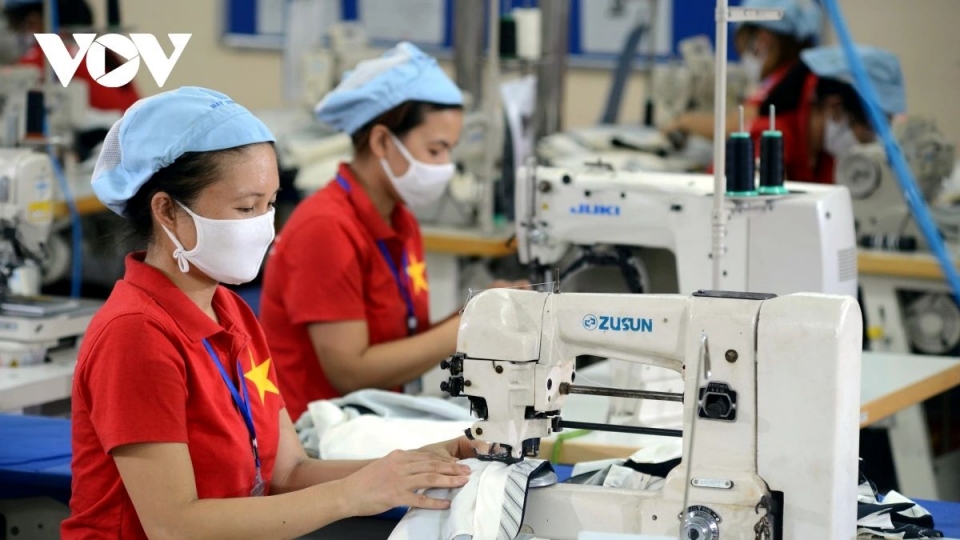
Export competitiveness must go beyond price as global supply chains reshape: forum
VOV.VN - Export competitiveness must be built on quality, sustainability, traceability and strong branding rather than price alone as global supply chains undergo rapid restructuring and trade standards become increasingly stringent, experts said at a trade forum in Hanoi on February 3.
Market linkages key for Vietnamese firms joining global supply chains
VOV.VN - In the long term, to keep pace with global supply chains and secure a firm foothold in the global market, Vietnamese enterprises must comply with product quality standards, green requirements and social responsibility obligations.