Fuel import tariff cuts strengthen Vietnam’s energy resilience: experts

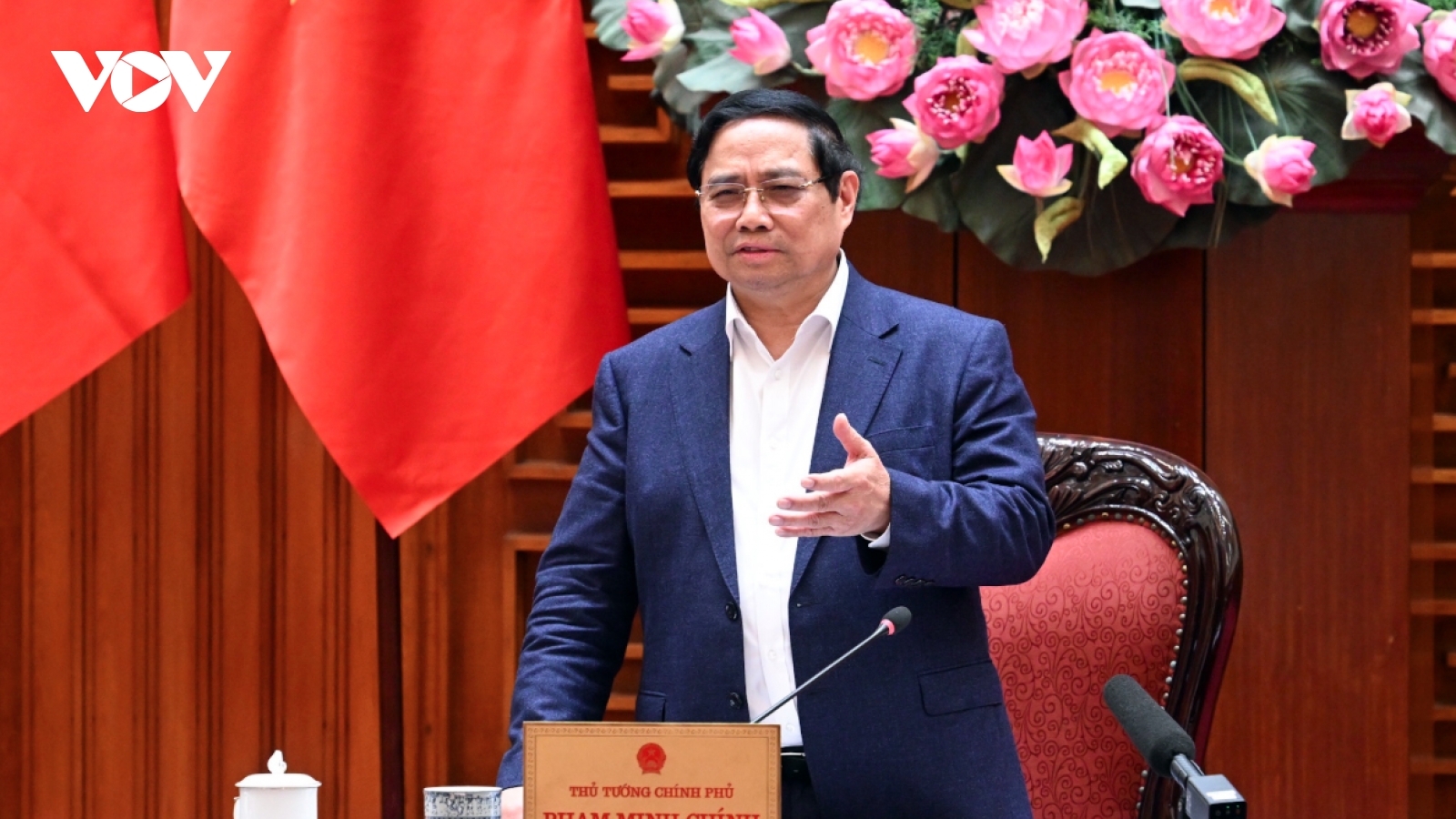
The Government’s issuance of Decree No. 72/2026/ND-CP revising preferential import tariffs on several petrol products and raw materials is a timely move to diversify supply sources, reduce import costs and enhance Vietnam’s resilience against global energy market volatility, said insiders.
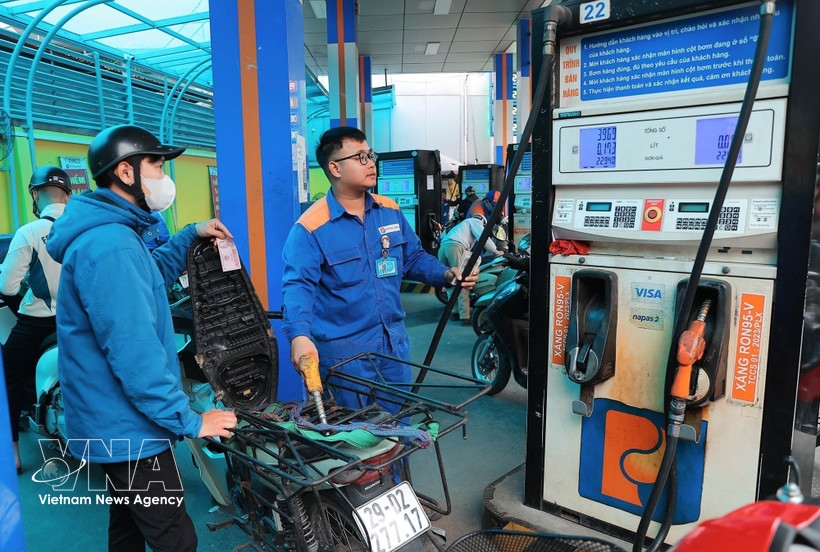
Global energy markets remain volatile due to geopolitical tensions and supply chain risks, particularly along key oil transport routes. In this context, proactive measures such as adjusting import tariffs have become an important tool to help ensure stable domestic fuel supply.
Economic expert Dinh Trong Thinh said revising fuel import tariffs helps diversify supply sources and reduce reliance on traditional markets, thereby strengthening Vietnam’s ability to cope with potential global supply shocks. Ensuring access to multiple energy sources is also vital for safeguarding national energy security, he added.
From a market perspective, Nguyen Quang Huy from Nguyen Trai University noted that energy prices are influenced not only by production levels but also by transport conditions and supply chain stability. He said when disruption risks rise, markets often add a “geopolitical risk premium” to prices.
According to Huy, recent fluctuations in fuel prices mainly reflect short-term market expectations and global developments. However, the overall global supply of crude oil remains relatively stable, with major oil-producing countries still retaining room to adjust output if necessary.
The plan by the Organisation of the Petroleum Exporting Countries and oil-producing nations (OPEC+) to increase oil production from April 2026 is therefore viewed as a positive signal that could help boost supply and ease price pressures in the coming period, he said.
Under Decree No. 72, the preferential import tariff on unleaded motor gasoline has been reduced from 10% to 0%. Import tariffs on several key fuels – including diesel, fuel oil, jet fuel and kerosene – have also been cut from 7% to 0%. In addition, certain petrochemical feedstocks used in fuel production, such as condensate, xylene and p-xylene, have had their import duties reduced to 0%. The policy is in effect from March 9 to April 30.
According to the Ministry of Finance, the tariff reduction aims to ensure national energy security, diversify energy supply sources and balance immediate consumption demands with long-term energy reserves.
Experts said the measure will enable fuel trading companies to expand imports from a wider range of markets. Currently, Vietnam’s petrol imports mainly come from ASEAN countries and the Republic of Korea, where import tariffs are already largely at 0% under free trade agreements.
However, under current global conditions, sourcing refined fuel from these regions may become more difficult as some refineries cut capacity and limit exports, which could tighten domestic supply and add pressure on prices in Vietnam.
Economic experts said flexible tax adjustments are also an important tool to stabilise the domestic market, as petrol prices directly affect production costs, transport expenses and overall inflation.
As global energy markets grow increasingly unpredictable, experts believed flexible fiscal management, diversified import sources and stronger reserves will be essential for helping Vietnam better withstand future supply shocks.

Rising fuel prices push commuters toward remote work and public transport
VOV.VN - Recent fluctuations in fuel prices have raised travel costs, leading many people in major cities to adjust their commuting habits.