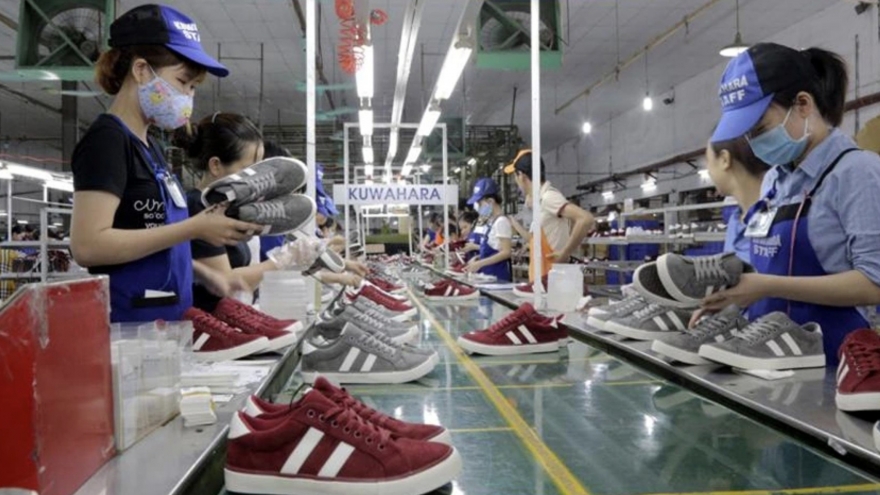
Footwear sector faces geopolitical risks as exports account for 90% of output

VOV.VN - Vietnam’s footwear sector, with around 90% of output destined for export, is facing major risks from geopolitical developments, underscoring the urgent need to refine policies to strengthen resilience and adaptability.
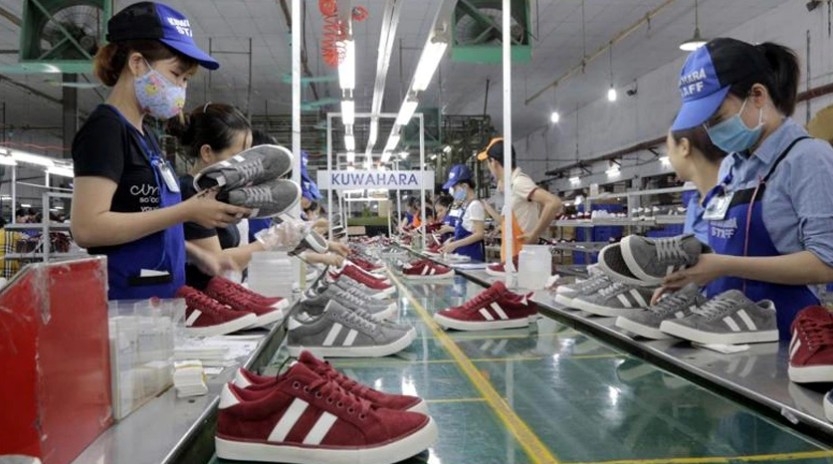
According to Phan Thi Thanh Xuan, Vice Chairwoman and Secretary General of the Vietnam Leather, Footwear and Handbag Association (Lefaso), global footwear output currently stands at about 23 billion pairs per year, with China accounting for roughly 60%. India ranks second, followed by Vietnam with around 1-1.2 billion pairs. About 87% of global production is concentrated in Asia, with annual growth of 5-6%.
In terms of exports, China remains the world’s largest exporter with about 9 billion pairs annually, while Vietnam ranks second with roughly 1.2 billion pairs exported to the global market. The sector’s high level of openness, with up to 90% of output exported, makes it similar to the garment industry in its dependence on external markets.
Phan Thi Thanh Xuan said the footwear sector should not be assessed solely by profit indicators, as it generates substantial socio-economic value. Together with the garment sector, it provides jobs for around 5 million workers and supports the shift from agriculture to industry.
After 30-40 years of development, Vietnam has risen to become the world’s second-largest exporter of footwear products, with a solid presence in major markets such as the United States, Europe, Japan and the Republic of Korea. At the same time, the 17 free trade agreements (FTAs) Vietnam has signed are opening further room for businesses to expand markets, benefit from tariff preferences and integrate more deeply into global supply chains.
However, heavy reliance on exports also makes the sector vulnerable to external shocks. Following the COVID-19 pandemic and trade tensions, conflicts in the Middle East have disrupted markets, particularly in the Middle East region and transit routes to Africa.
At the same time, input costs have increased due to these developments, while export prices have remained largely unchanged over the past 20 years, rising by only about 5%, placing additional pressure on enterprises.
In this context, many firms have accepted break-even or even losses in order to retain workers, recognising that maintaining the workforce is essential to preserving production capacity.
Data show that in the first quarter of 2026, footwear exports reached US$5.42 billion, up 0.8% year-on-year, remaining one of Vietnam’s key export sectors.
To respond to these challenges, companies are taking numerous measures such as sharing costs across supply chains, cutting administrative expenses, accelerating automation and digital transformation, and restructuring markets towards regions closer to production to reduce logistics costs. However, these are largely short-term solutions.
According to Dr Vo Tri Thanh, labour-intensive export sectors such as garments and footwear are facing pressure from two major factors, namely geopolitical instability in the Middle East and risks stemming from US tax policies.
In addition, the sector faces long-term challenges from green transition requirements. Major markets, particularly the European Union, are tightening regulations on emissions reduction, traceability and the implementation of digital product passports (DPP), requiring businesses to adopt clean energy and ensure supply chain transparency, while Vietnam remains heavily dependent on imported materials.
From this perspective, Phan Thi Thanh Xuan proposed accelerating the development of domestic supporting industries, along with building commodity exchanges and material reserve systems to secure supply and reduce exposure to market fluctuations.
According to data from the Vietnam Industry Research and Consultancy Joint Stock Company (VIRAC), Vietnam’s footwear exports hit about US$29 billion in 2025, up nearly 10% from the previous year, with a target of US$100 billion by 2030.
Amid ongoing changes, strengthening adaptability, improving risk management and increasing self-reliance are key to sustaining growth and maintaining the sector’s position in the global market.
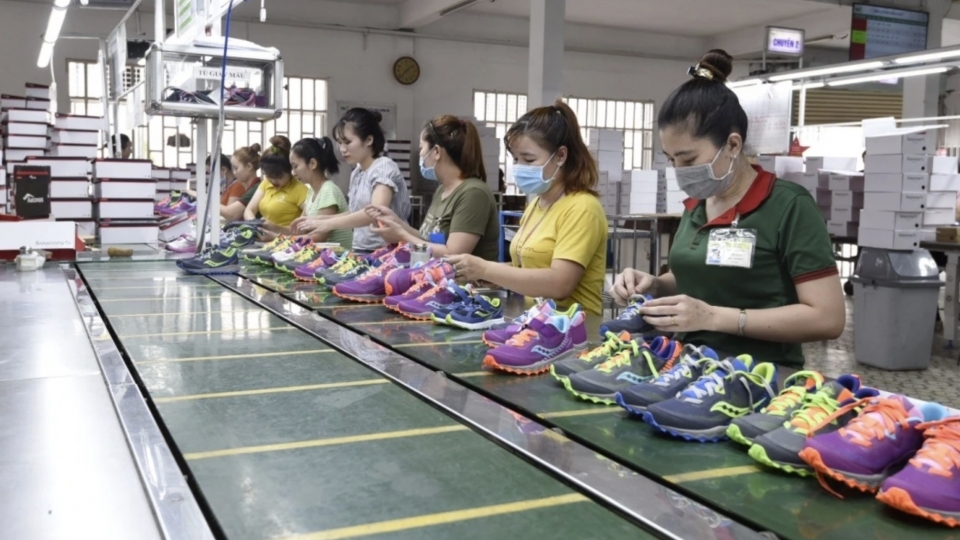
Seminar promotes sustainable value chains in Vietnam-India leather, footwear sector
VOV.VN - An online seminar held on April 9 by the Vietnam Trade Office in India in coordination with the Vietnam Leather and Footwear Institute discussed ways to strengthen business links and expand cooperation in the leather and footwear sector, with a focus on building sustainable value chains between Vietnam and India.
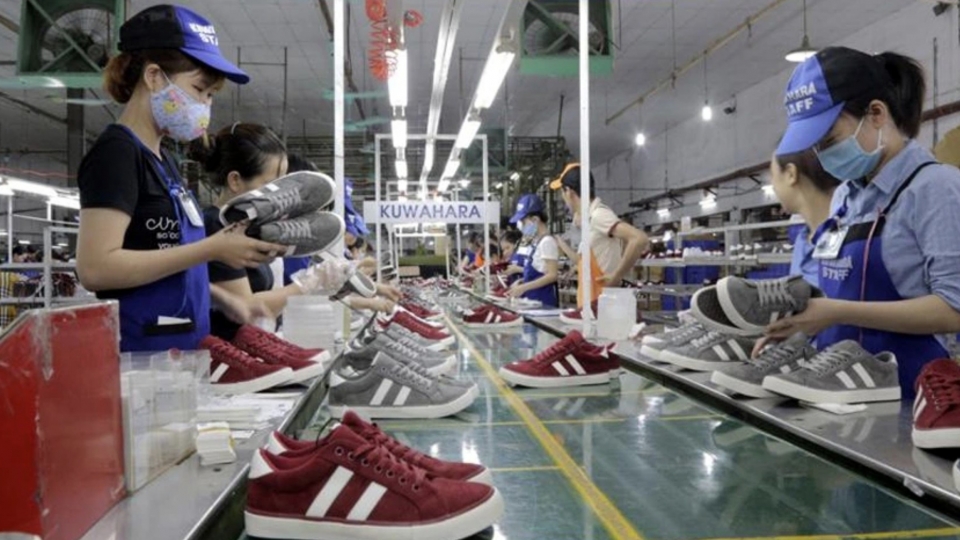
Leather and footwear sector adapts to new standards to accelerate export growth
VOV.VN - Transparency of origin is emerging as a key requirement for the leather and footwear sector to maintain access to demanding markets and expand export momentum, as many importing countries tighten rules on origin, sustainability and supply-chain transparency.