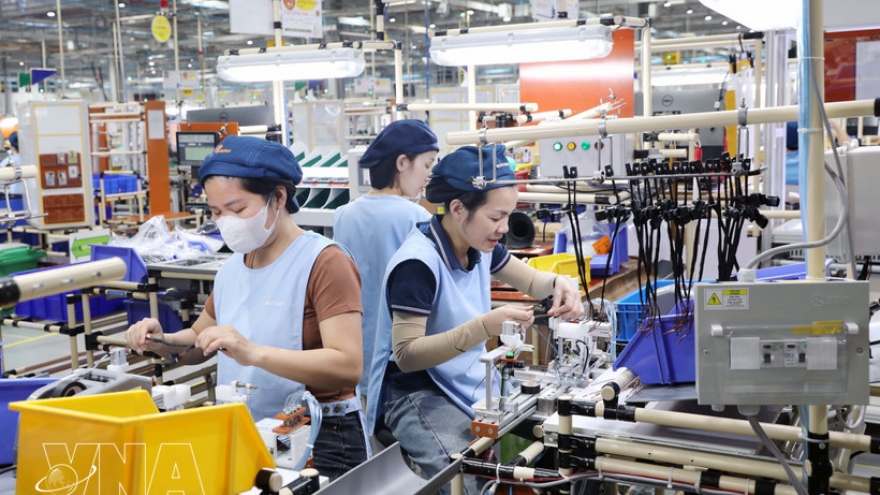
FDI into HCM City jumps over 200% in first quarter

Foreign direct investment (FDI) into Ho Chi Minh City is estimated at nearly US$2.9 billion in the first quarter of 2026, a surge of more than 200% from a year earlier, underscoring resilient investor interest despite global uncertainty, city officials said.
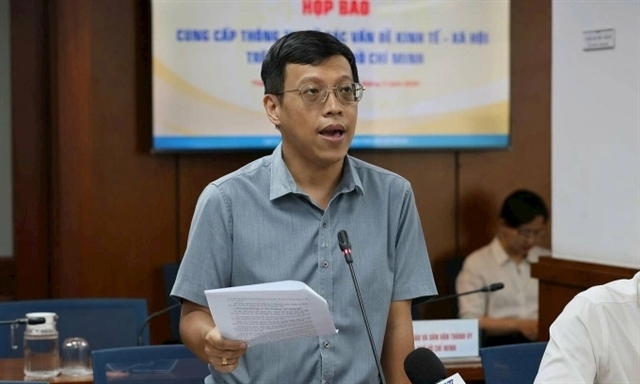
The increase was reported by Nguyen Hoang Anh, deputy head of the General Policy Division at the municipal Department of Finance, at a press briefing last week.
The comparison is based on combined FDI inflows recorded in the first quarter of 2025 across the former jurisdictions of HCM City, Ba Ria-Vung Tau and Binh Duong. Measured against HCM City alone, inflows rose nearly 480%, he said.
“Strong foreign investment inflows reflect the city’s resilience in the face of global volatility,” he added.
A report by Cushman & Wakefield earlier this year projected that southern Việt Nam’s industrial property market would enter a strong expansion phase between 2026 and 2029, driven by the emergence of a “green industrial megacity” model incorporating environmental, social and governance (ESG) standards.
HCM City is expected to play a central role, with industrial land supply projected to reach nearly 2,600 hectares, as the region shifts from traditional manufacturing zones toward integrated industrial and service ecosystems, the report said.
Beyond FDI, the city posted solid domestic indicators in the first quarter.
Newly established businesses rose 47%, while retail sales and consumer service revenue exceeded VND476 trillion (US$19.4 billion), up 13.7% year-on-year. Tourism revenue reached approximately VND150 trillion, extending a strong recovery.
However, officials cautioned that the city’s highly open economy remains vulnerable to external shocks, particularly escalating geopolitical tensions in the Middle East, which have begun to affect trade, logistics and production.
Exports in the first quarter were estimated at over US$22 billion, up just 1.12% from a year earlier, as higher freight costs and longer shipping times weighed on trade, especially for perishable goods. Imports rose 4.2%, adding pressure on input costs amid signs of supply chain disruptions.
Despite the headwinds, HCM City is maintaining its target of more than 10% GRDP growth this year.
The HCM City Institute for Development Studies has projected first-quarter growth in a range of 7% to over 10%, depending on geopolitical developments.
Authorities are stepping up efforts to sustain momentum, including accelerating public investment disbursement, ensuring energy security, streamlining administrative procedures, expanding access to credit, and boosting domestic consumption.
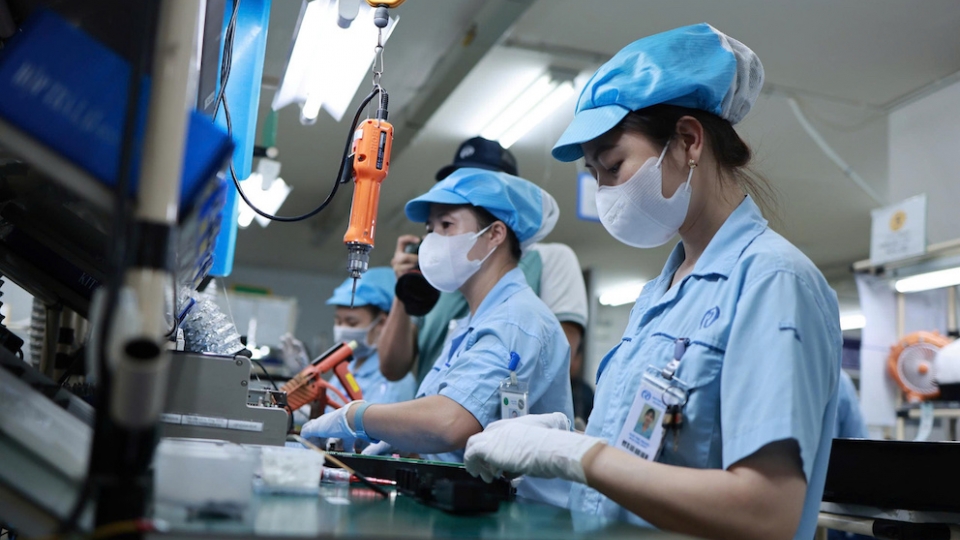
FDI firms post 35.9% trade growth in early 2026
VOV.VN - Vietnam’s foreign-invested sector recorded a sharp rise in trade activity in the first two months of 2026, with total import-export turnover exceeding US$117 billion, up 35.9% year on year, according to Vietnam Customs.