Export strategy moves from quantity to quality in 2026

VOV.VN - A shift from quantity to quality in Vietnam’s export strategy, along with deeper participation in global value chains, is seen as the appropriate path to keep import-export activities a solid pillar of the economy.
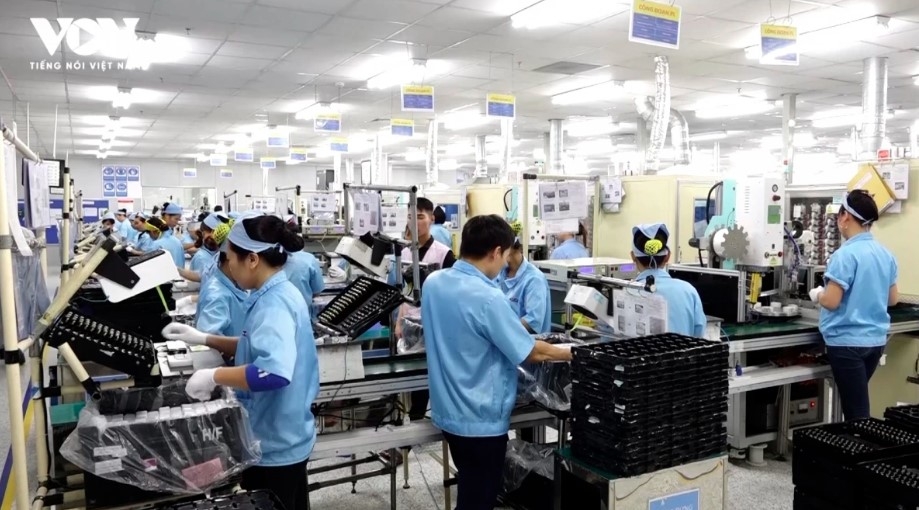
Vietnam’s total import-export turnover reached more than US$930 billion in 2025, up 18.2% from 2024, marking 10 consecutive years of trade surplus since 2016.
The result underscores exports as one of the key drivers of economic growth, but it is a milestone rather than the end goal of an export-led growth strategy.
The government targets GDP growth of at least 10% in 2026 and aims to raise export turnover by about 15-16% to US$546-550 billion, equivalent to roughly US$45-46 billion per month.
Despite rapid expansion in scale, trade activity still shows a number of factors that are not yet sustainable. The US accounts for more than 30% of Vietnam’s exports, while China makes up around 40% of imports, indicating a high level of reliance on the two markets. The FDI sector contributes about 70% of total export turnover, while domestic value added remains modest.
Experts say Vietnam retains only a small share of value in global supply chains. Of roughly US$400 billion in export turnover in 2024, nearly US$300 billion came from the FDI sector. The remainder was generated by domestic firms, but actual domestic value added amounted to only about US$60 billion after accounting for imported inputs.
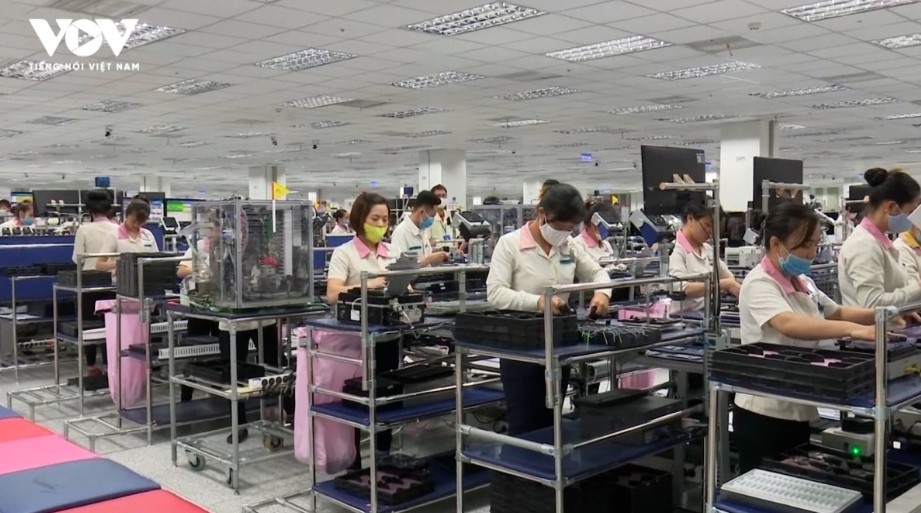
Vietnam’s export activity in 2026 is expected to present both opportunities and challenges, as rising trade barriers and stricter requirements from major markets such as the EU and the United States on green production and supply chain transparency require Vietnamese firms to adapt and meet these demands.
At the same time, expanding into nearby markets, emerging economies and populous markets with growth potential will require stronger economic diplomacy and more focused trade promotion, opening new growth space for exports.
Vietnam’s exports are at a critical turning point, either to renew the model or continue exporting largely for FDI firms. This is seen as the appropriate path: shifting from quantity-driven growth to quality-driven growth, from expanding scale to increasing value, and from processing to deeper participation in global value chains, with trade remaining a solid pillar of the economy.
To support this transition, further institutional reforms are needed to ease conditions for exporters, alongside policies to strengthen science and technology and build up the capacity of domestic enterprises.
This provides the foundation for import-export activities to shift from quantity to quality and make a breakthrough.

Maintaining export momentum key requirement for double-digit growth
VOV.VN - Maintaining export momentum is a key requirement for achieving double-digit growth amid global market fluctuations.