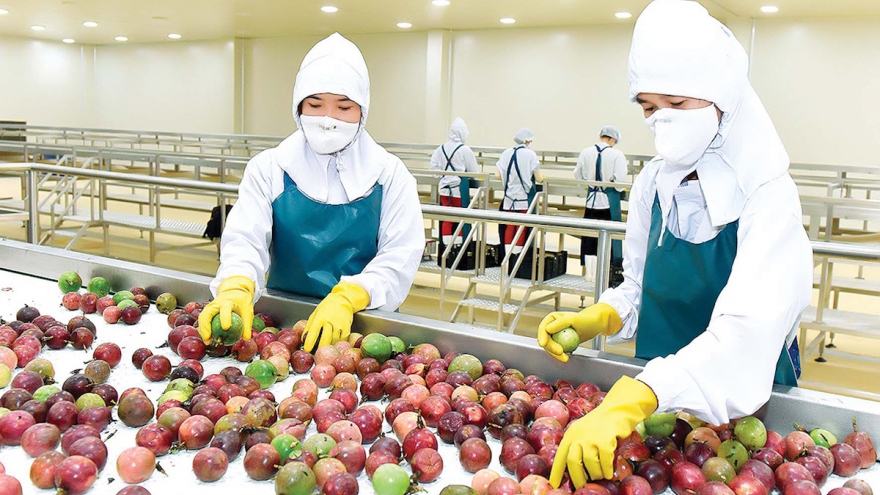
Passion fruit exports hit new highs after years of rapid growth

VOV.VN - Vietnam’s passion fruit exports have grown rapidly, climbing from US$20 million in 2015 to more than US$222 million in 2023, and reaching US$202 million during the past ten months of 2025.
At the forum on sustainable development of the passion fruit sector through value chain linkages, organized by the Ministry of Agriculture and Environment on December 12, To Van Huan from the Plant Production and Protection Department noted that exports have increased more than tenfold over the past decade. Despite global market fluctuations, the momentum remains strong, with total export value exceeding US$202 million by October 2025.
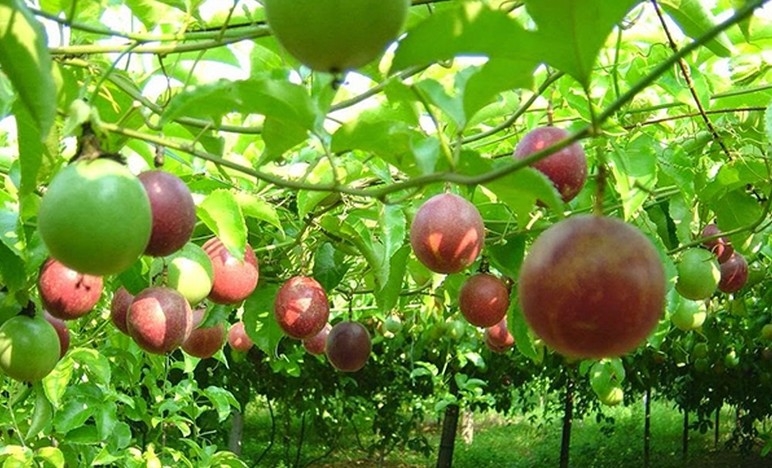
The Central Highlands remains Vietnam’s passion fruit hub, accounting for over 86% of the planted area and 92.5% of national output. Vietnam has approved 43 varieties, meeting growing production and export demands. Huan emphasized the country’s favorable climate, fast growth, and high yields. More than 80% of production goes to processing and fresh fruit exports, offering a wide market scope.
Meanwhile, challenges persist, including the lack of disease-free varieties, fragmented production, weak value-chain integration, uneven processing technology, and increasingly strict quarantine requirements.
Under the 2025-2030 key fruit crop plan, passion fruit cultivation will be maintained at 12,000-15,000 hectares, producing 250,000-300,000 tons in key areas such as Gia Lai, Lam Dong, Dak Lak, Quang Tri, Nghe An, and Son La.
Gia Lai province currently leads, with 5,650 hectares planted and output exceeding 210,000 tons in 2025. The province has secured 48 registered production areas and six certified packing facilities, crucial for expanding export markets.
Doan Ngoc Co, Deputy Director of Gia Lai’s Department of Agriculture and Environment, said that official exports to China since July 2022 have provided a major boost, thus raising the value of the entire chain. Many businesses have partnered with cooperatives and farmers to create closed production-processing-consumption chains that meet area registration, packing, and advanced processing standards.
However, the sector still faces hurdles including climate change, fragmented and unplanned cultivation, uneven seed quality, and strict regulations from the EU, the US, Japan, and China.
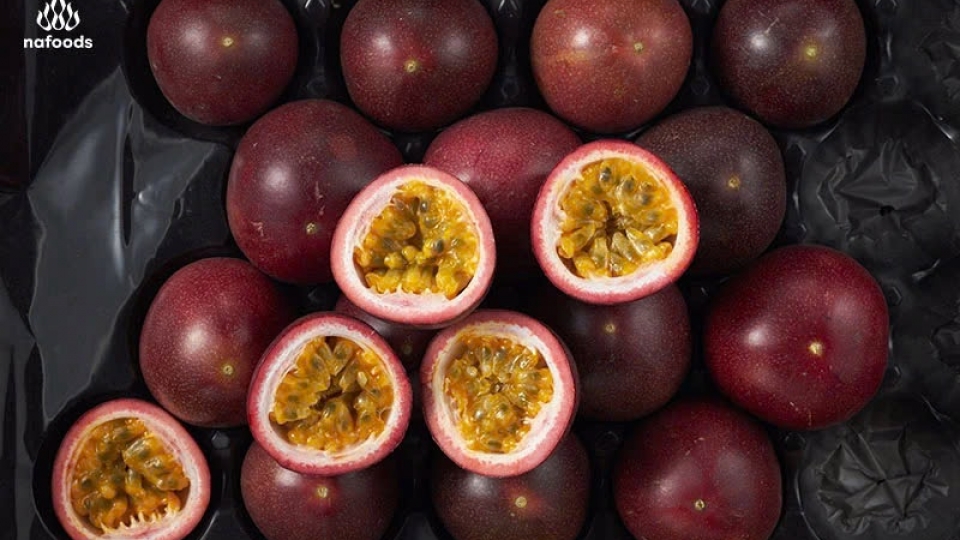
Passion fruit exports to US market to bring back US$100 million each year
VOV.VN - With Vietnamese passion fruit to be licensed to enter the United States shortly, the export of this fruit to this market is expected to bring back between US$50-100 million, according to industry insiders.