Energy imports surged in first quarter of 2026

Vietnam's energy imports have increased sharply in the first three months of 2026, reflecting a rapid recovery in domestic consumption demand along with pressure to secure supply in the face of geopolitical instability and global energy price fluctuations.
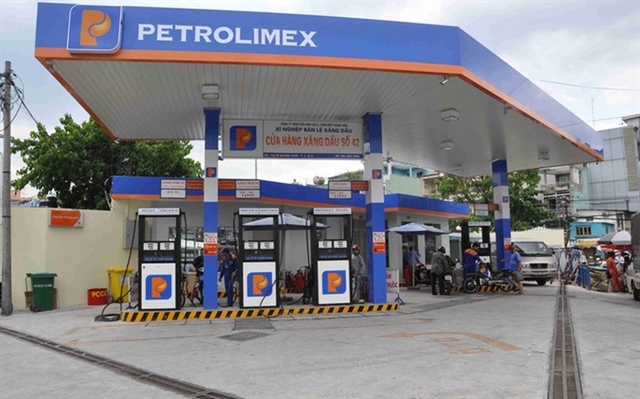
Data from Vietnam Customs shows that the country spent approximately US$2.93 billion importing nearly 3.37 million tonnes of petroleum products in the first quarter of 2026, an increase of 77.8% in value and over 44% in volume compared to the same period last year.
Aside from refined petroleum products, many other energy products also recorded a sharp increase, including coal imports, which rose by 76.4% to nearly US$2.8 billion, and crude oil, which surged by 381% to US$2.4 billion.
In the first half of April, the upward trend in imports continued, with import value of crude oil and petroleum products approaching US$1.25 billion.
Experts attributed the sharp increase in energy imports this year to the rebound of domestic consumption in the wake of a recovered industrial production. The steel, cement, chemical, thermal power and transportation sectors have all recorded higher fuel consumption compared to the same period last year.
Meanwhile, domestic energy supply has not met demand. Domestic crude oil production has been declining for many years due to major fields entering a natural depletion phase.
At the same time, the country's two main refineries, Dung Quat and Nghi Son, although operating, are still insufficient to fully meet market demand, especially during periods of significant global oil price fluctuations.
Another factor causing the surge in energy imports was the impact of global geopolitical instability. Conflict in the Middle East in the first quarter caused international oil prices to surge at times, leading to escalating energy import costs. According to the Ministry of Industry and Trade, key businesses have had to significantly increase imports since March to ensure domestic supply and maintain safe inventory levels.
Experts forecast that the trend of sharply increasing energy imports will continue for the next few years as the economy maintains its high growth target, while many gas-fired power, petrochemical and heavy industry projects are put into operation. This will put a significant pressure on trade balance as well as national energy security strategy.
Vietnam cuts LNG import tariff to boost clean energy transition
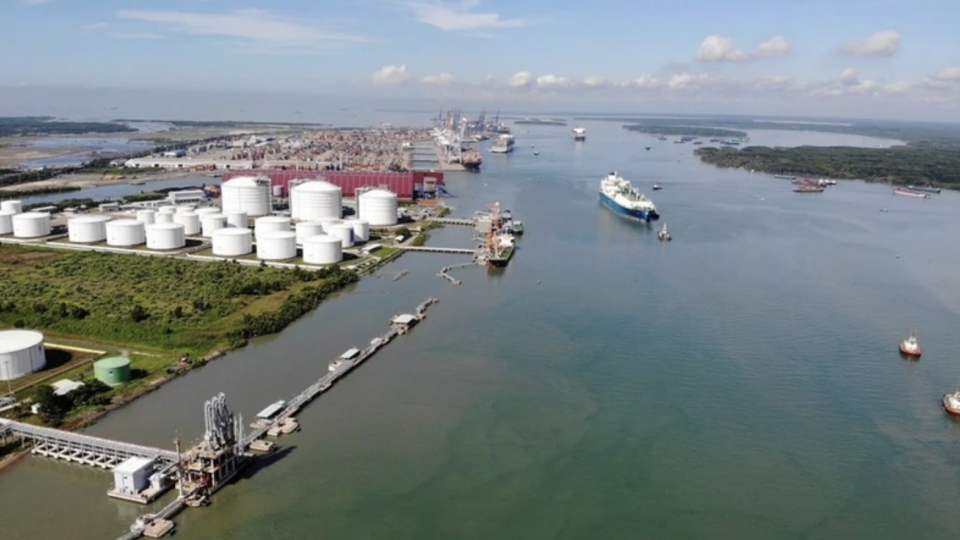
The Vietnamese Government has reduced the preferential import tariff on liquefied natural gas (LNG) from 5% to 2% under Decree No. 73/2025/ND-CP, issued on March 31. The move marks a key step in accelerating the country’s shift from fossil fuels to cleaner energy.