Eight export sectors top US$10 bln each as Vietnam looks to sustain record in 2026

VOV.VN - Vietnam posted a record export performance in 2025, with eight sectors generating more than US$10 billion each, underscoring the country’s growing role in global supply chains.
However, rising trade barriers and stricter environmental standards are set to test whether the momentum can be sustained in 2026.
Statistics show the country’s trade turnover totalled US$839.75 billion between January – November 2025, surpassing the previous full-year record set in 2024. Exports alone accounted for US$430.14 billion, up 16.1% year on year.
Among product categories, 36 items recorded export earnings of more than US$1 billion each, including eight with shipments above US$10 billion, forming the backbone of Vietnam’s export growth.
Computers, electronics and components remained the largest export category, generating US$96.9 billion, a sharp 48.5% increase from a year earlier. Machinery, equipment and spare parts followed with US$53.3 billion, up 11.6%, while phones and components brought back US$52.6 billion, rising 4.8%.
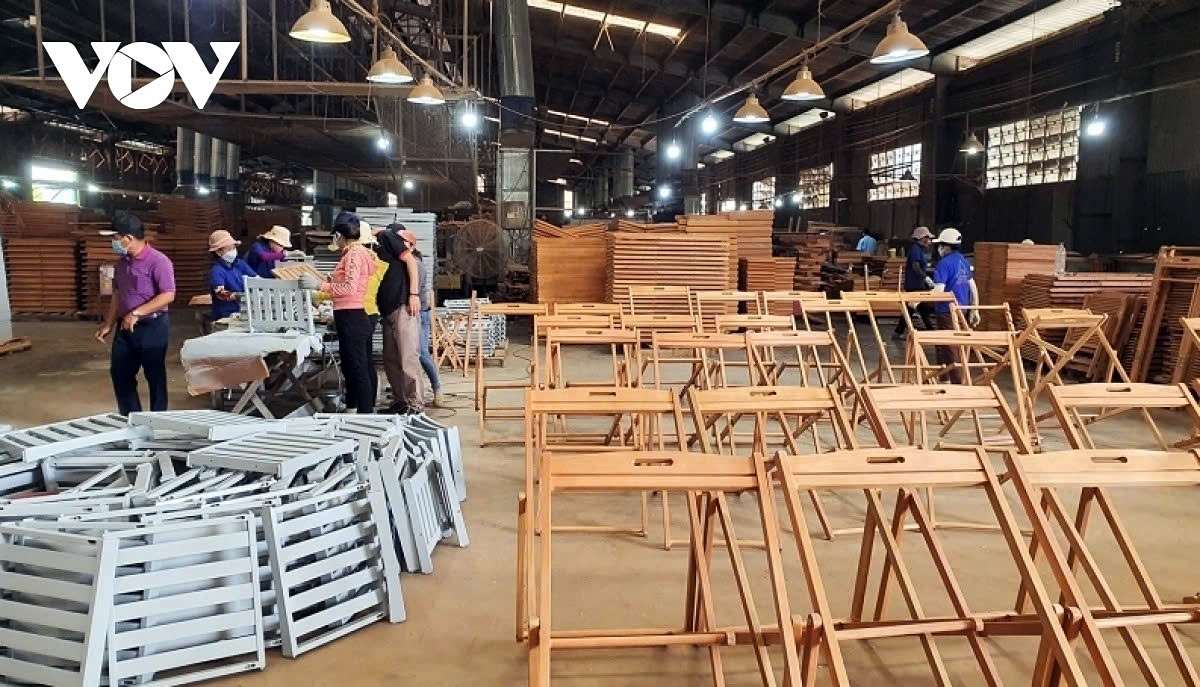
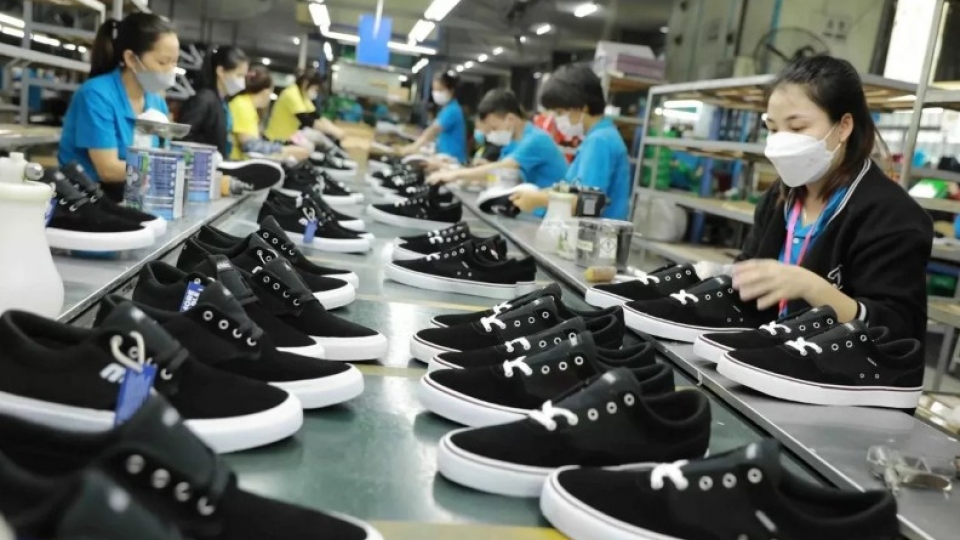
Traditional export industries also maintained solid growth. Textiles and garments earned US$35.9 billion, up 6.7%, and footwear posted US$21.9 billion, a 5.5% increase. Transport equipment and parts rose to US$15.8 billion, up 13.4%, while wood and wood products reached US$15.5 billion, gaining 5.4%. Seafood exports fetched US$10.3 billion, up 12.6% year on year.
Pressure builds for 2026
While the results highlight the strength and diversification of Vietnam’s export base, analysts warn that maintaining the record in 2026 will be more challenging amid policy uncertainty in major markets.
Tran Thanh Hai, deputy head of the Ministry of Industry and Trade’s Agency of Foreign Trade, says global commerce in 2025 was shaped by US reciprocal tariff policies, with lingering impacts expected to persist into 2026.
Vietnamese exporters must clearly assess the risks and respond in a timely manner, Hai says, adding that improving product quality is the most sustainable way to retain partners and expand into new markets. Furthermore, brand-building should go hand in hand with quality upgrades, as many Vietnamese firms still underinvest in branding despite growing global exposure.
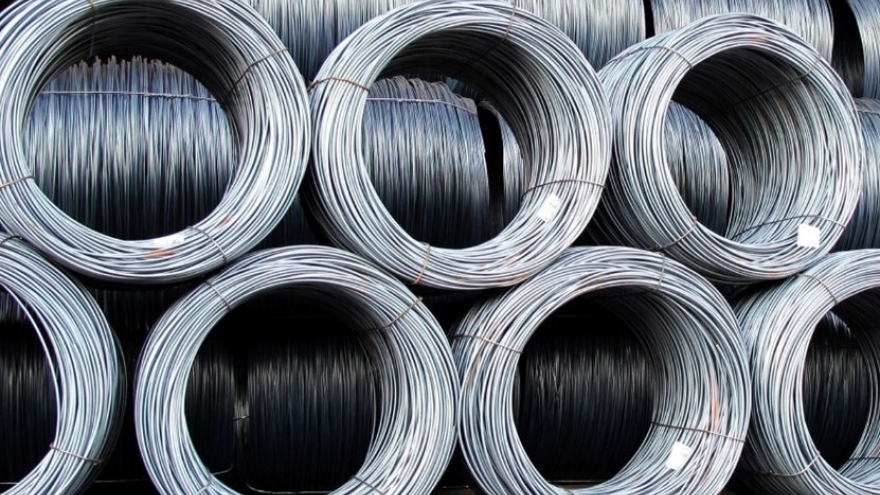
Environmental compliance is emerging as a key challenge, particularly for major export sectors such as steel and cement. From 2026, the European Union is set to begin levying carbon border taxes under its Carbon Border Adjustment Mechanism (CBAM) on selected products, including steel and aluminium.
This will require exporters to integrate emissions reduction, cleaner production processes and supply-chain traceability into their operations to maintain market access.
Rethinking trade promotion
Vu Ba Phu, head of the Vietnam Trade Promotion Agency, saý future export promotion efforts would shift towards cluster-based approaches, linking firms across value chains rather than supporting individual exporters in isolation.
Vietnam also plans to develop a national digital trade promotion platform, leveraging big data and artificial intelligence to improve market analysis, forecasting and decision-making, he reveals.
A unified national export branding system is also under development to strengthen the international image of Vietnamese goods.
To reinforce its export champions, Vietnam will roll out a flagship “Go Global” programme, selecting leading firms to spearhead overseas expansion while supporting networks of supplier companies.
Under the draft roadmap, the 2026–2027 period will focus on regulatory reforms and building an enabling environment for internationalisation. The 2028–2030 phase will pilot targeted support tools for global expansion, while from 2031 to 2035, Vietnamese enterprises are expected to integrate more deeply and effectively into global value chains.
Switzerland, Vietnam step up cooperation to strengthen export capacity
VOV.VN - The Ministry of Industry and Trade, in coordination with the Embassy of Switzerland in Vietnam, will host a conference in Hanoi on December 16 to review the Swiss Trade Policy and Export Promotion Programme (SwissTrade), funded by the Swiss Government, marking five years of cooperation in support of sustainable export development for Vietnamese businesses.