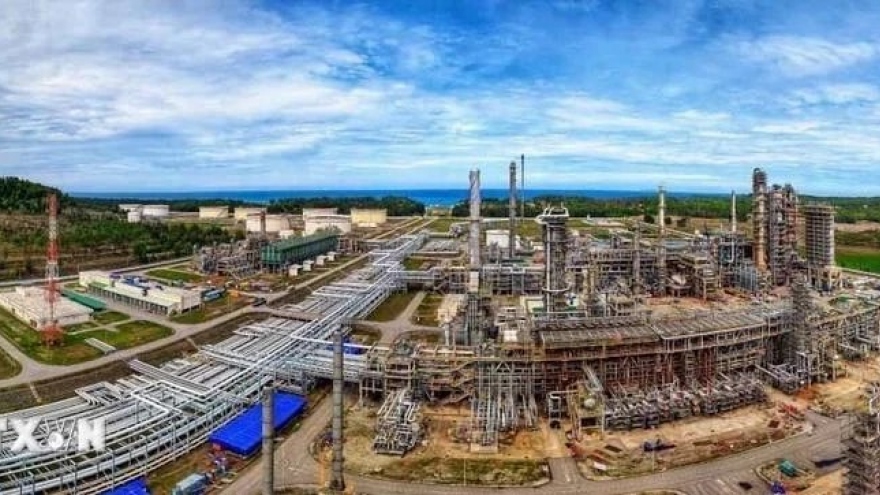
Dung Quat Refinery maintains high capacity, imports crude oil from US suppliers

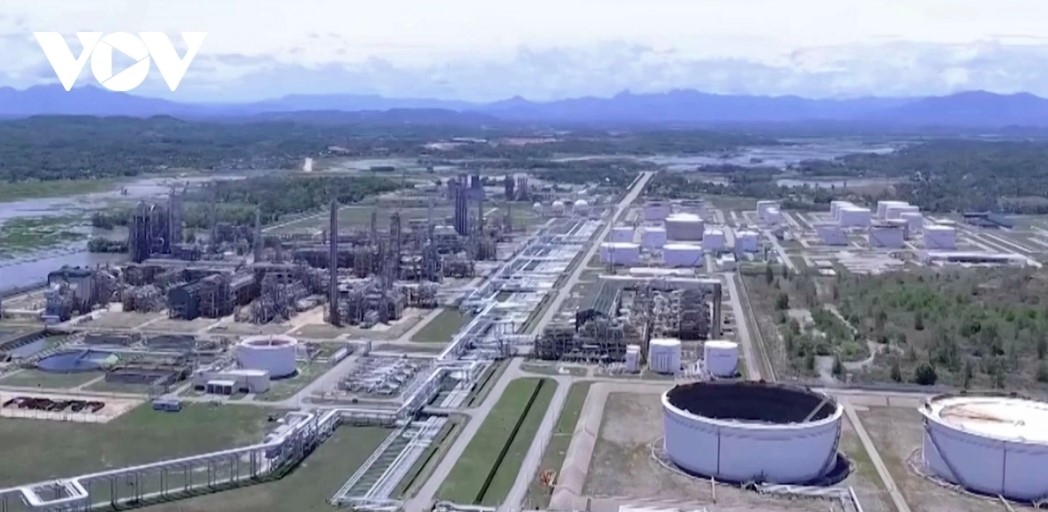
VOV.VN - Dung Quat Refinery is operating at high capacity and implementing comprehensive risk management measures to ensure stable production and support domestic petroleum supply amid global energy market volatility, said Binh Son Refining and Petrochemical JSC (BSR).
Diversifying crude oil supply sources
According to BSR CEO Nguyen Viet Thang, the refinery’s entire operational system is focused on ensuring stable and continuous operations while maintaining maximum planned capacity.
Currently, around 30–35% of the refinery’s crude oil feedstock is imported. These imports primarily come from West Africa, the Mediterranean region, the United States, and partially from the Middle East.
BSR noted that prolonged conflict in the Middle East could lead to sharp fluctuations in global oil prices. Rising transportation surcharges, shipping freight, and marine insurance premiums may also increase input costs for refineries.
To mitigate these risks, BSR has increased its crude oil inventories and implemented flexible production management based on market demand. The company has also diversified its crude oil supply sources to reduce dependence on specific regions.
Notably, BSR has signed crude oil supply agreements with two major US energy corporations, ExxonMobil and Chevron, to ensure a stable supply of feedstock for the refinery. From March to May 2026, BSR plans to import approximately 3 million barrels of crude oil from these sources.
In addition to securing crude oil supply, BSR has coordinated with the Vietnam Central Biofuels Plant to maintain stable ethanol production for blending E5 and E10 bioethanol fuels.
Leaders of the Vietnam Central Biofuels JSC said the plant began trial operations on January 20. By February 6, it had produced its first batch of fuel ethanol. The first ethanol shipment was subsequently delivered to BSR for blending into E10 RON95 bioethanol.
Following the trial phase, the plant continues to review technical aspects and address operational inefficiencies to improve performance.
From March 20, the facility is expected to operate at optimal capacity, producing around 60,000 tonnes of ethanol per year, equivalent to more than 5,000 tonnes per month.
Operational and business risk management plans in use
Alongside ensuring raw material supply, BSR has activated comprehensive risk management measures in both operations and business activities.
The company is strengthening monitoring of domestic and international market developments and enhancing forecasting capabilities to promptly identify potential risks affecting the supply chain for raw materials, technical materials, and finished products.
BSR is also proactively developing flexible crude oil import plans and diversifying supply sources to ensure continuous refinery operations under multiple scenarios, including prolonged crises affecting the global supply chain.
At the same time, the company is implementing flexible commercial strategies to balance product output based on long-term contracts with customers. It is adjusting short-term sales volumes to meet the needs of key petroleum distributors and help stabilise the domestic market.
Another priority is the development of financial and cash flow plans aligned with different market scenarios, including extended geopolitical tensions.
These contingency preparations will help BSR mitigate potential disruptions, including cases where partners invoke “force majeure” clauses in existing supply contracts.
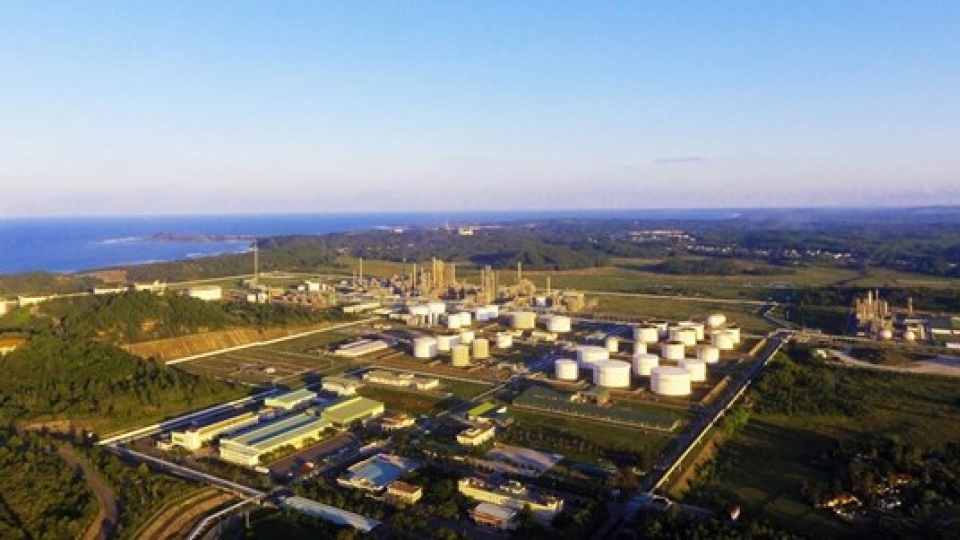
Dung Quat refinery processes 100 million tonnes of crude oil after 15 years
The Dung Quat Oil Refinery Plant in the central province of Quang Ngai, operated by the Binh Son Refining and Petrochemical Company (BSR), processed more than 100 million tonnes of crude oil and materials after 15 years of operations.