Collective economy mobilises resources and drives growth

VOV.VN - By pooling resources, linking producers with markets and embracing technological innovation, Vietnam’s collective economy is strengthening production capacity, improving competitiveness and creating new drivers of sustainable growth.
Pooling resources and expanding markets
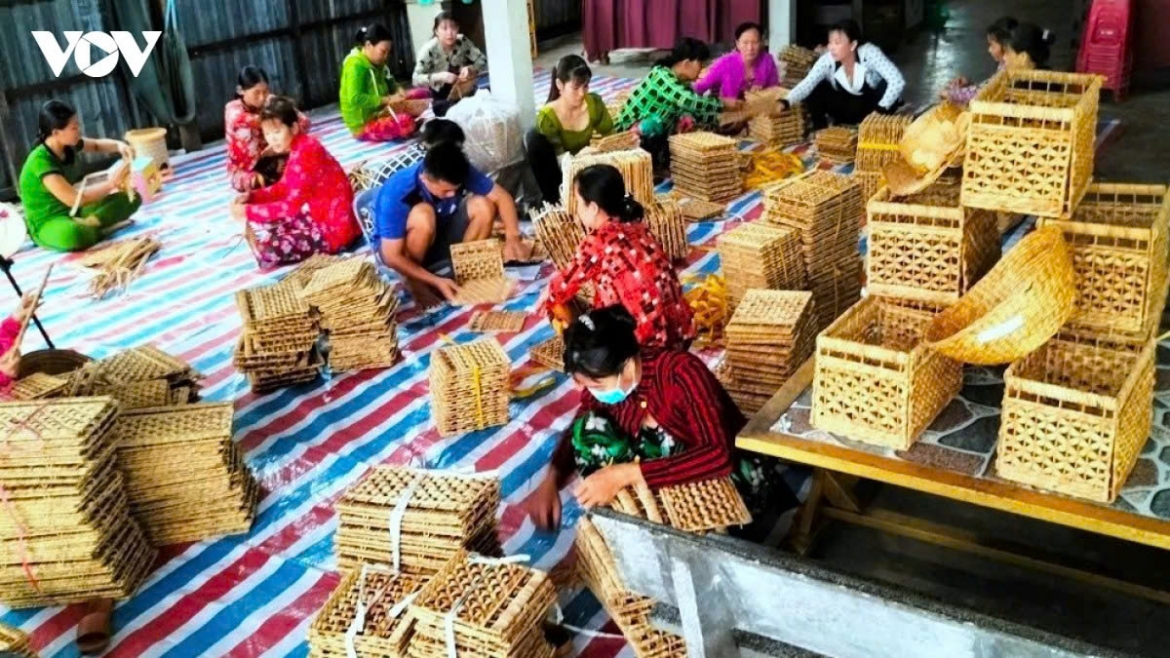
Orders from overseas buyers are creating new opportunities for handicraft producers, as water hyacinth products are brought together at Quang Minh Cooperative in southern Dong Thap province, for processing, finishing and export packaging. Rather than operating independently, individual workshops can use this shared production hub to meet international buyers’ requirements for volume, quality and delivery schedules.
Cao Dung Khanh, director of Quang Minh Cooperative, said exports to the United States were worth approximately US$4 million, around four times the value of shipments to other markets, which totalled about US$1 million. Water hyacinth products accounted for about 55% of the cooperative’s output. According to Khanh, rising plastic resin prices amid the war have dampened demand for products made from plastic cord, while demand for water hyacinth handicrafts has tended to increase.
The ability to organise supplies and adapt to market demand is also central to the strategy of Hung Thinh Phat Cooperative in Dong Thap. Following its coconut-based products, the cooperative is seeking export opportunities for dragon fruit, gradually working towards more stringent requirements for product quality and food safety.
Its first shipment of dragon fruit to Australia, totalling around 12 tonnes, has opened up an opportunity to assess the cooperative’s ability to meet the market’s standards and develop subsequent orders.
“The Australian dragon fruit order came from a customer seeking clean produce that had been tested for pesticide residues. The first order was only around 12 tonnes. Once the customer has assessed the product quality, the volume is expected to increase in subsequent orders,” said Nguyen Trung Quy, director of Hung Thinh Phat Cooperative.
From handicrafts to agricultural produce, these examples show that market expansion depends not only on the quality of individual producers’ goods, but also on the ability to organise supplies, maintain quality control and ensure consistent fulfilment of orders. This is where the collective economy can offer advantages by bringing producers together, pooling resources and connecting them with purchasing and export businesses.
Le Quang Cuong, chairman of the Dong Thap Cooperative Alliance, said the alliance is stepping up efforts to establish new cooperatives and connect businesses with existing ones to build links spanning input supplies through to product distribution. These efforts are intended to help cooperatives participate in value chains and expand market outlets for local agricultural products.
Modernising production and increasing Value

Beyond connecting producers with markets, cooperatives can organise production, standardise farming practices and promote the adoption of technical advances. In the rice sector, farmers following a common production process across a consolidated growing area make it easier to control quality, reduce costs and establish links with buyers.
Tan Cuong Agricultural Services Cooperative, in Dong Thap, currently organises production across approximately 550 hectares, with three crops a year. Members’ use of a single rice variety gives the cooperative a stronger basis for working with businesses on the supply of agricultural inputs and the purchase of harvested rice.
According to Huynh Van Kha, director of Tan Cuong Agricultural Services Cooperative, its management board is working with Viet My Group to develop a plan for linking production with sales. Under the proposed arrangement, the company would supply fertilisers and pesticides to farmers and purchase their rice at the end of the crop cycle.
From organising growing areas to securing market outlets, the model illustrates how cooperatives can act as a bridge between farmers and businesses, helping producers coordinate their cultivation and marketing activities more effectively. For such arrangements to deliver lasting results, however, the parties need clear agreements on quality requirements, input supplies, pricing and contractual responsibilities.
Alongside the challenge of securing buyers, improving production efficiency also requires lower costs, more efficient resource use and reduced environmental impacts. Vietnam’s programme to develop one million hectares of high-quality, low-emission rice associated with green growth in the Mekong Delta is creating opportunities for cooperatives to adopt more sustainable farming practices.
Thang Loi Agricultural Services Cooperative is among the units participating in models under the Transforming the Rice Value Chain for Climate Resilient and Sustainable Development in the Mekong Delta (TRVC) project and the one-million-hectare rice programme. The cooperative is considering investing in machinery to treat rice straw after harvest, gradually replacing field burning with straw incorporation to return organic matter to the soil.
“Under current conditions, the way forward is to reduce production costs and incorporate straw into the soil in line with the Sustainable Rice Platform (SRP) procedures, helping restore soil fertility. Our cooperative is looking to purchase machinery for straw incorporation. We have limited capital, so if the approach proves effective, we will seek additional government support,” Nguyen Van Hung, director of Thang Loi Cooperative told VOV.
This experience shows that changes in farming practices are driven not only by environmental considerations but also by the economics of production. Suitable equipment can help cooperatives manage agricultural by-products more effectively, improve soil quality and reduce costs over the longer term. Nevertheless, implementation depends on access to capital, local production conditions and the demonstrated effectiveness of each solution.
Science and technology open up new opportunities
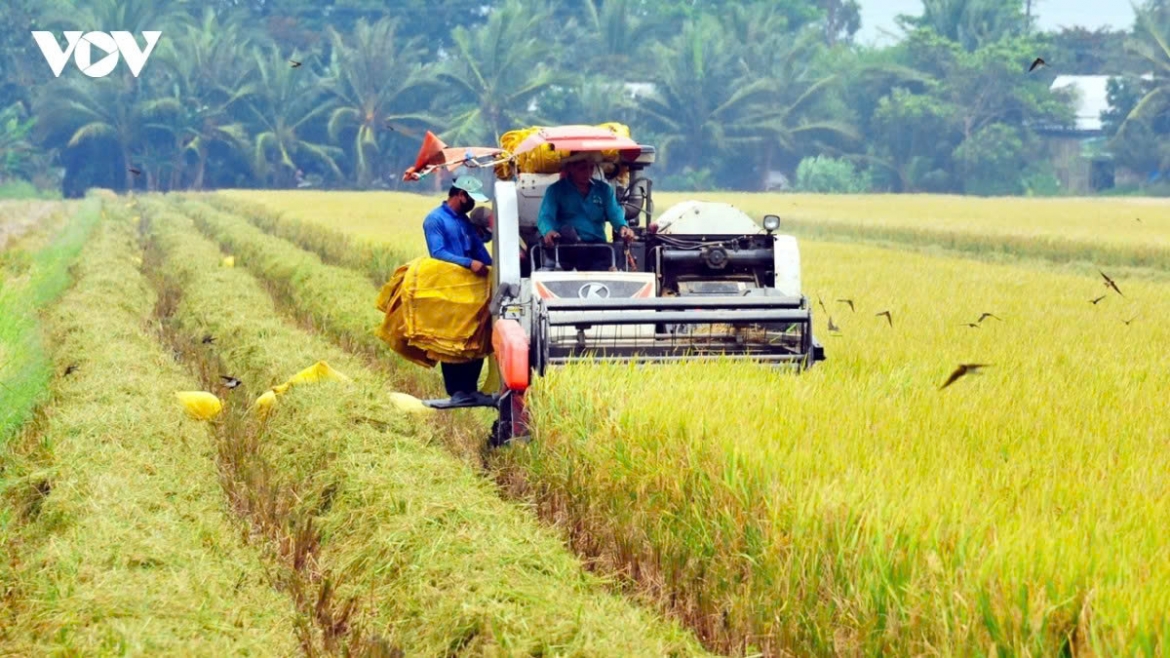
To improve operational efficiency, cooperatives in Dong Thap are gradually introducing machinery and technology into production, from mechanised harvesting to digital tools for field management. Smartphones are being used to regulate water levels, while unmanned aerial vehicles support fertiliser and pesticide application. Training courses also help members update their technical knowledge and keep abreast of new policies.
Cuong reported that the provincial Cooperative Alliance has introduced a 100-day plan to address bottlenecks in digital transformation and the application of science and technology. Cooperatives are being encouraged to invest in equipment, adopt technical advances and participate in training programmes. He said mechanised harvesting had reached 100% within the scope he was referring to.
Yet, technological transformation involves more than purchasing machinery. For many cooperatives, limited capital, management capacity and the ability to apply technology remain significant challenges. Alongside equipment support, improving members’ skills, selecting appropriate technologies and widening access to finance are therefore essential.
Strengthening the collective economy in a new growth model
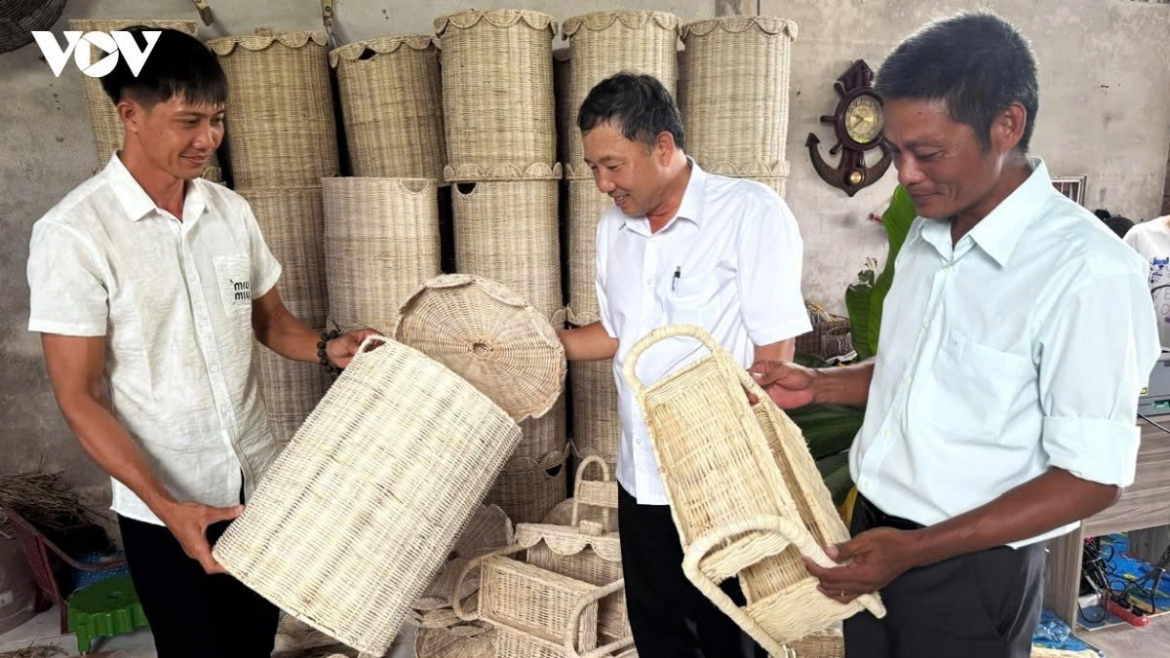
The models in Dong Thap show that the value of the collective economy lies not simply in the size of individual cooperatives, but also in their ability to organise resources and build collective strength through cooperation. When producers work together, they are better positioned to connect with businesses, meet market standards, adopt technology and modernise farming practices.
This direction is consistent with the Political Report presented at the 14th National Congress of the Communist Party of Vietnam earlier this year, which identifies the cooperative and collective economy as important components of the national economy. The document also emphasises the need to provide support and create favourable conditions for the collective economy to access land, capital, technology and markets.
These orientations provide a basis for further reform of the sector. Their practical impact, however, will depend on translating policy commitments into appropriate support mechanisms, as well as on the autonomy and organisational capacity of individual cooperatives. Bottlenecks involving finance, technology, management and market access need to be addressed in a coordinated manner so that cooperatives can move beyond simply maintaining operations and strengthen their competitiveness.
From handicraft export orders and the first dragon fruit shipment to Australia to rice-growing areas shifting towards low-emission production, cooperatives in Dong Thap are gradually turning their advantages in labour, land and production experience into economic value. With appropriate support and a proactive approach to innovation, the collective economy can make a more substantial contribution to raising incomes, developing agricultural value chains and promoting sustainable local growth.
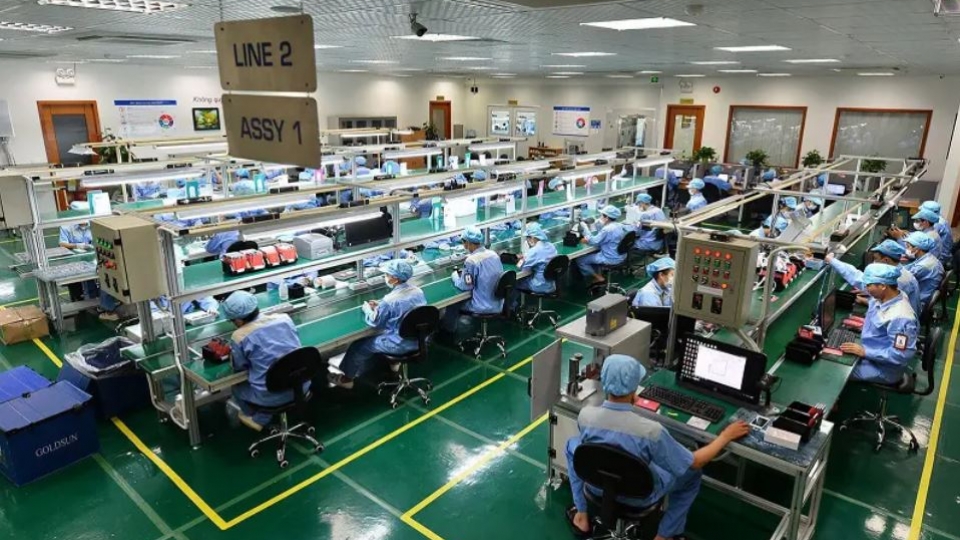
Foreign invested firms ramp up imports to expand production
VOV.VN - Foreign-invested enterprises (FIEs) in Vietnam are sharply increasing imports of machinery, equipment, components, and raw materials as they expand production capacity and meet growing export demand.