China spends US$1.23 billion on Vietnamese shrimp in 2025

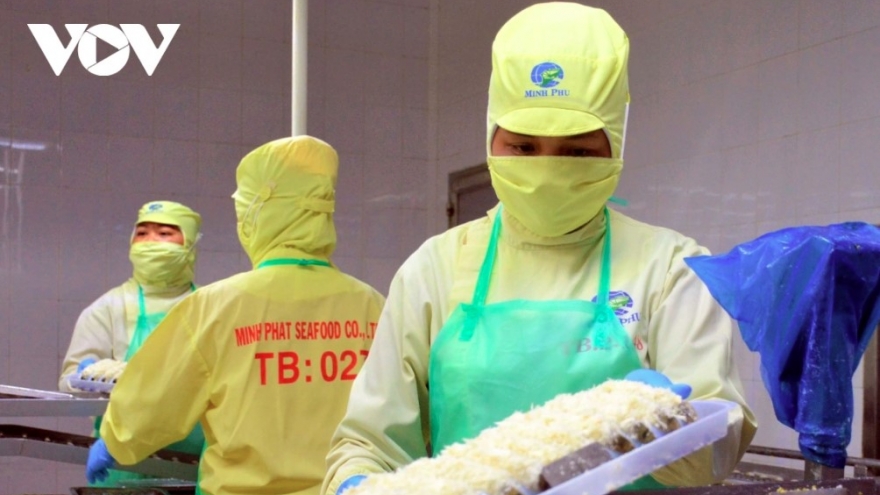
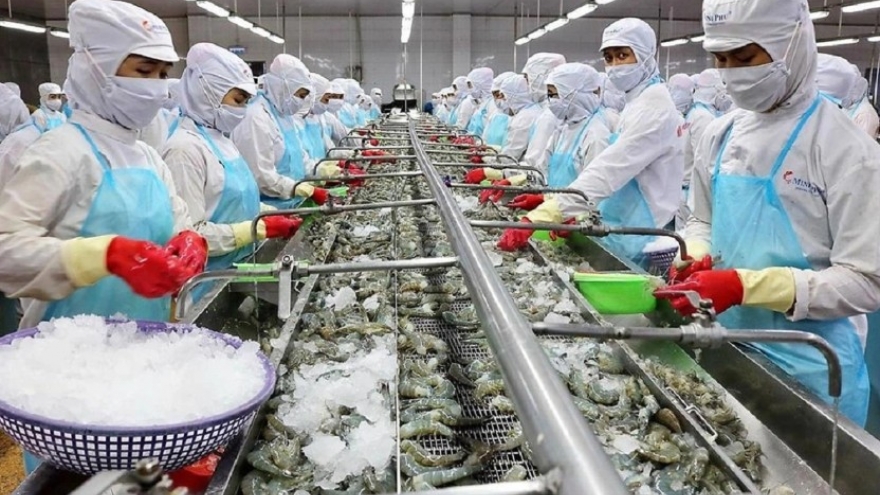
VOV.VN - Vietnam’s shrimp exports hit a record high of US$4.6 billion in 2025, up 19% from a year earlier, with China emerging as the largest market at US$1.23 billion, according to the Vietnam Association of Seafood Exporters and Producers (VASEP).
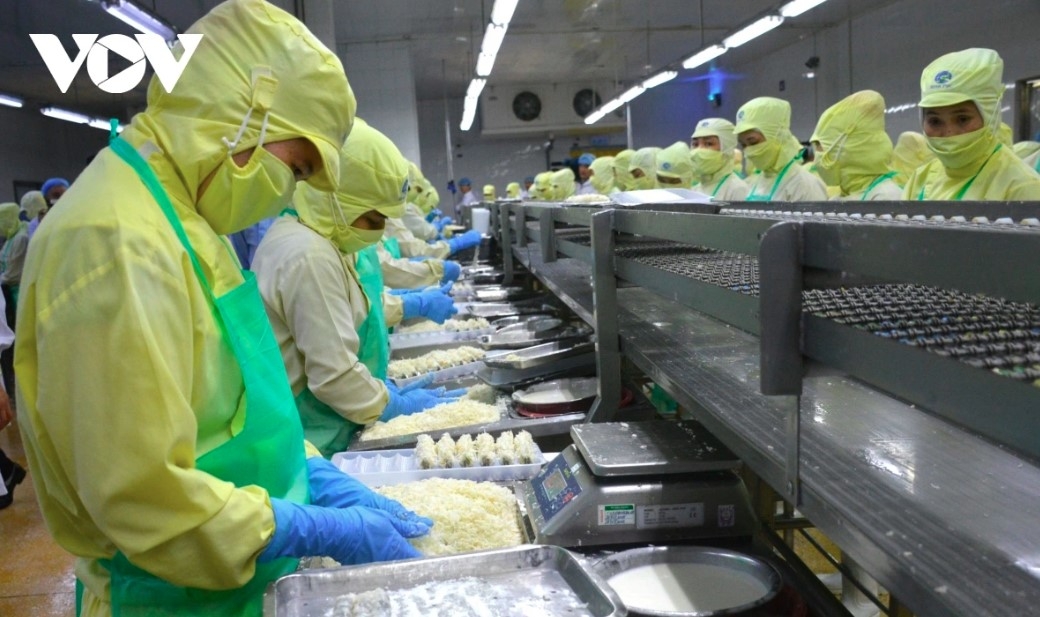
VASEP said the strong export performance reflected a combination of factors, notably a sharp increase in lobster and high-value shrimp exports to China, as well as Vietnamese companies accelerating shipments to the US ahead of announced changes to US tariff policies.
Within the category of “other shrimp products,” exports of live, fresh and frozen shrimp surged 97.2%, underscoring the rapid growth of lobster and premium shrimp exports to the Chinese market.
According to VASEP, shrimp consumption in China is becoming increasingly segmented, with demand for mid-range products under pressure as consumers tighten spending, while high-end and processed, convenience products continue to post solid growth. This trend is creating room for Vietnam’s key products, including lobster, black tiger shrimp and other premium shrimp.
In the United States, despite changes in tariff policies and a more cautious purchasing approach by U.S. importers toward the end of the year, Vietnam’s shrimp exports still reached US$796 million in 2025, up 5.4% from the previous year.
Exports to markets covered by free trade agreements maintained strong momentum. Shipments to the European Union totaled US$580 million, up 19.9% and accounting for 12.6% of total export value. Exports to CPTPP member markets reached US$1.25 billion, an increase of 28.8%, representing 27.3% of total shrimp exports.
Japan, the Republic of Korea (RoK) and Australia continued to post stable import volumes, providing important support amid fluctuations in the US market.
Looking ahead to 2026, VASEP noted that Vietnam’s shrimp sector will continue to face an increasingly challenging global trade environment, particularly the risk of anti-dumping duties from the US affecting export performance in the early months of the year.
China, the EU and CPTPP markets are expected to remain key growth drivers, although short-term adjustments linked to consumption cycles and price movements may persist.
The sector’s resilience will depend on effectively leveraging stable markets, managing US trade risks and further upgrading value across the global supply chain.
Shrimp exports enjoy double-digit growth over 10 months
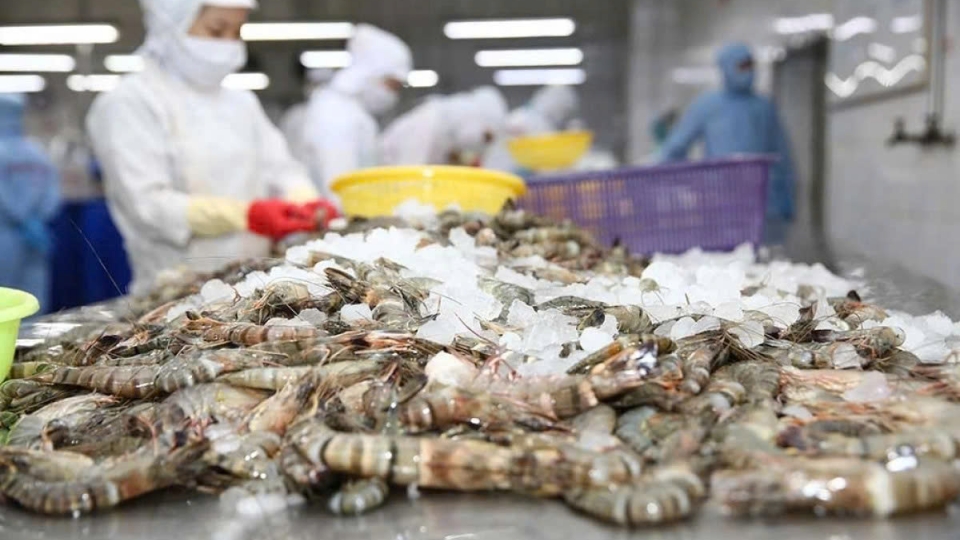
VOV.VN - Vietnam’s shrimp exports have achieved strong growth over the first ten months of 2025, reaching a total turnover of US$3.9 billion, up 22% year on year, reflecting robust international demand, reported the Vietnam Association of Seafood Exporters and Producers (VASEP).