Steep US tariff rise puts Vietnam’s shrimp exports at risk in 2026

VOV.VN - The Vietnam Association of Seafood Exporters and Producers (VASEP) has warned that the country’s shrimp industry is under growing pressure as the US imposes a preliminary anti-dumping duty of up to 35.29%, alongside a series of new tariff barriers.
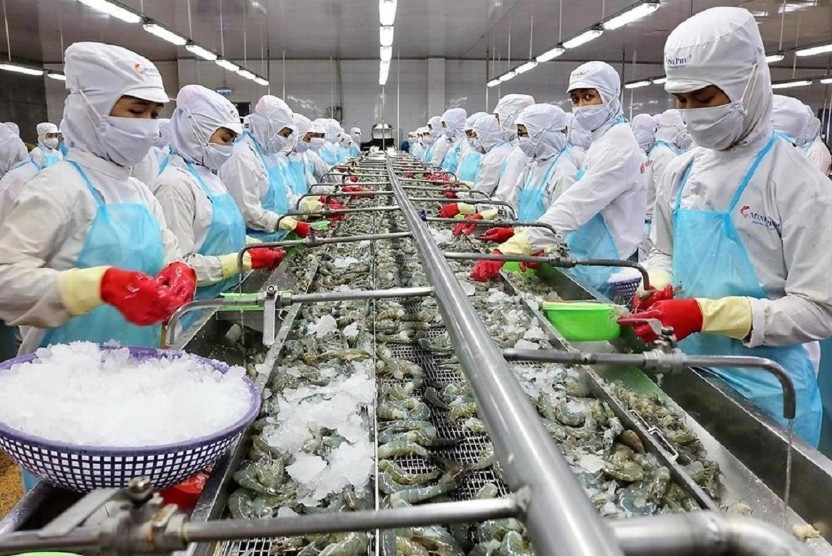
According to VASEP, as of November 15, 2025, Vietnam’s shrimp exports to the US reached US$731 million, up 8% year-on-year, retaining the market’s position as the sector’s second largest. However, this growth comes with heightened risks from Washington’s trade defence measures.
The most immediate concern is the preliminary result of the 19th administrative review (POR19) on Vietnamese frozen shrimp. The US Department of Commerce has announced a preliminary anti-dumping margin of up to 35.29%, far exceeding industry expectations.
A final ruling is expected in early 2026. Without adjustments, the tariff could impose substantial financial strain and threaten the ability of Vietnamese exporters to maintain their foothold. The surge in shipments during August and September reflects firms’ efforts to complete deliveries before the measure takes effect.
In addition to anti-dumping duties, Vietnamese shrimp continues to face the impact of reciprocal tariffs the US began applying in 2025 on various imports from Vietnam. Rising compliance costs are pushing actual selling prices higher, prompting exporters to revise strategies and renegotiate with buyers.
VASEP data indicates that in the third quarter of 2025, Vietnam’s whiteleg shrimp exported to the US were priced between US$12.8 and US$14.1 per kilo, while black tiger shrimp ranged from US$17.9 to US$20.4 per kilo, all higher than in previous periods.
VASEP also noted that the current global situation have created supply gaps in the US market: India is facing combined countervailing, anti-dumping and safeguard tariffs totaling 58.26%; Indonesia has experienced a wave of rejected shrimp containers due to technical issues; and Ecuador, though levied with lower countervailing duties, mainly ships whole shrimp, limiting its ability to expand market share.
Still, opportunities will only become clearer if the POR19 tariff is adjusted to a reasonable level and Vietnamese exporters continue to meet US compliance requirements.
VASEP underscored that standardizing documentation, ensuring transparency and strengthening compliance management are essential to minimizing legal risks and maintaining market access.
Recommended measures include standardizing data for future reviews, building a unified traceability system, assessing partner credibility, optimizing product portfolios to minimize anti-dumping exposure, coordinating closely with US importers and diversifying export markets to reduce reliance on a single destination.
The US market is entering a period of widespread tightening of trade remedies, posing substantial challenges to shrimp and other core Vietnamese export sectors.
As the 2025-2026 period is expected to remain difficult, businesses that strengthen data readiness, improve transparency and reinforce risk controls will be better positioned to preserve their market presence.

Vietnam’s shrimp exports maintain steady growth
Vietnam's shrimp exports have demonstrated impressive resilience in the first two months of 2025, solidifying their status as the leading export product of the seafood industry.
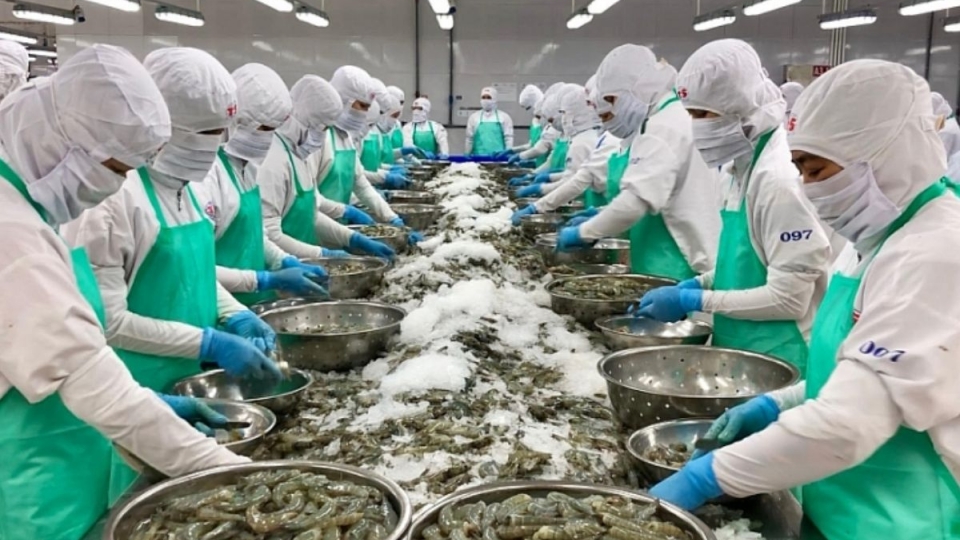
Vietnamese shrimp exports to US market drop by 7% in Q2
VOV.VN - Vietnamese shrimp exports to the United States in the second quarter of the year reached US$182 million, down 7% compared to the same period from last year, according to details given by the Vietnam Association of Seafood Exporters and Producers (VASEP).