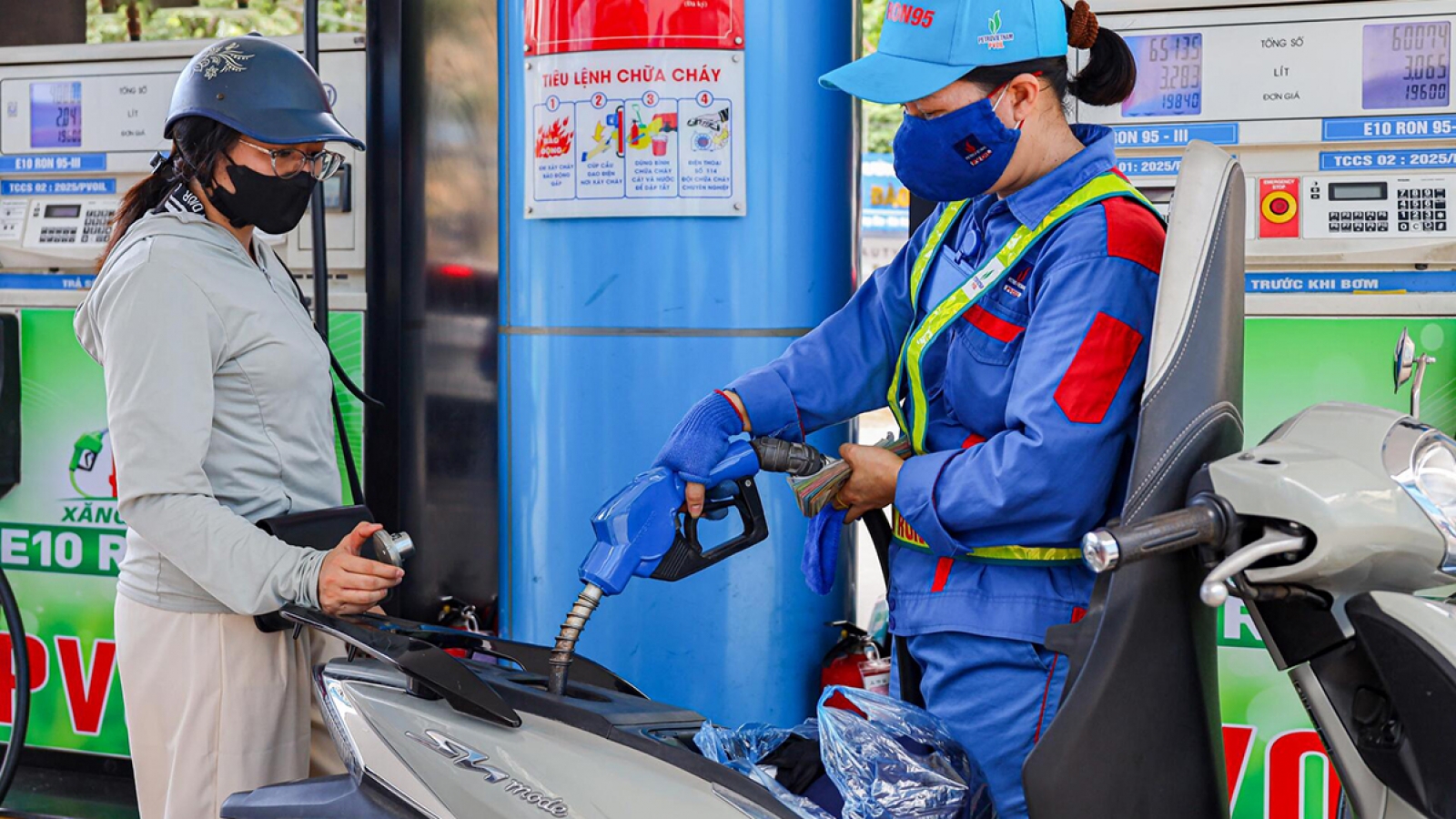
Carmakers confirm compatibility with E10 fuel ahead of nationwide rollout

Major automakers including Honda, Toyota, Hyundai, Ford and Mercedes-Benz have confirmed that most modern vehicles currently operating in Vietnam are compatible with E10 biofuel, easing concerns ahead of the fuel’s nationwide rollout from June 1.
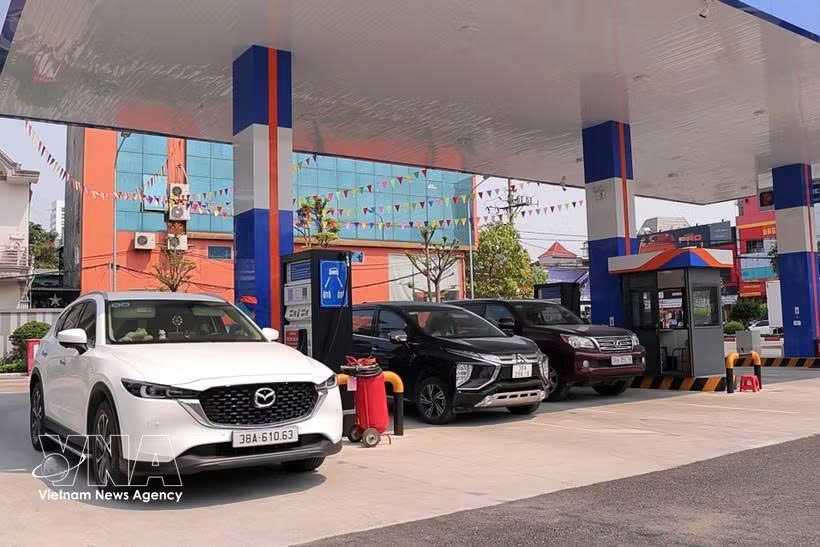
The transition, implemented under the Government and Ministry of Industry and Trade’s roadmap, has drawn significant public attention, particularly over concerns about engine performance, fuel consumption and vehicle durability.
Under Circular 50/2025/TT-BCT issued by the Ministry of Industry and Trade on November 7, 2025, unleaded gasoline nationwide will be required to use E10 biofuel from June 1, 2026. The move is considered the next step in Vietnam’s strategy to promote green energy transition, reduce emissions and expand the use of renewable fuels.
Vietnam previously introduced E5 biofuel nationwide in 2018, laying the groundwork in terms of blending infrastructure, ethanol supply and operational experience before shifting to E10. After more than a decade of preparation, the E10 roadmap was accelerated during 2025-2026.
To support the transition, major fuel distributors including Petrolimex and PVOIL began pilot sales of E10 fuel in Hanoi, Hai Phong and Ho Chi Minh City from August 2025. By May 2026, both companies had stopped selling mineral RON95 gasoline and switched entirely to E10RON95 distribution across their systems.
Toyota Vietnam stated that all Toyota vehicles manufactured from 1997 onward are compatible with E10 fuel, including both new and used models. The company said E10 does not increase maintenance costs or affect vehicle safety and performance.
Honda Vietnam likewise confirmed that most of its current motorcycles and automobiles can operate normally on E10 fuel. However, the high-performance Honda Civic Type R is recommended to use fuel with an octane rating of RON95 or higher.
Meanwhile, Hyundai Thanh Cong Vietnam said all gasoline-powered models distributed by the company are designed to meet global E10 compatibility standards, adding that no significant differences in engine durability or driving performance have been recorded.
Ford Vietnam also confirmed that models using EcoBoost engines, including the Ford Ranger, Ford Everest and Ford Territory, fully support E10 fuel. According to the company, many Ford vehicles manufactured after 2013 can even use fuel containing up to 15% ethanol.
In the luxury segment, Audi, BMW and Mercedes-Benz have also released lists of E10-compatible models. However, some early direct-injection vehicles produced in the early 2000s may not be suitable for the fuel.
Technical experts advised consumers not to overreact to social media claims that E10 damages engines, noting that the fuel has already been widely used in many countries to reduce greenhouse gas emissions and dependence on fossil fuels.
Dao Duy Anh, deputy director of the Department of Innovation, Green Transition and Industrial Promotion under the Ministry of Industry and Trade, described E10 as one of Vietnam’s key solutions for environmental protection and the development of the domestic biofuel industry.
Automakers nevertheless cautioned that for older or poorly maintained vehicles, ethanol in E10 could loosen long-accumulated deposits inside fuel tanks and fuel lines, potentially clogging fuel filters or affecting engine operation.
To ensure safer use of E10 fuel, consumers are advised to regularly maintain fuel systems, replace deteriorated rubber components and refuel at reputable petrol stations to ensure ethanol blending quality meets standards.
Experts said that for most modern cars and motorcycles, switching to E10 is unlikely to significantly affect engine performance or durability provided the vehicles are properly maintained.
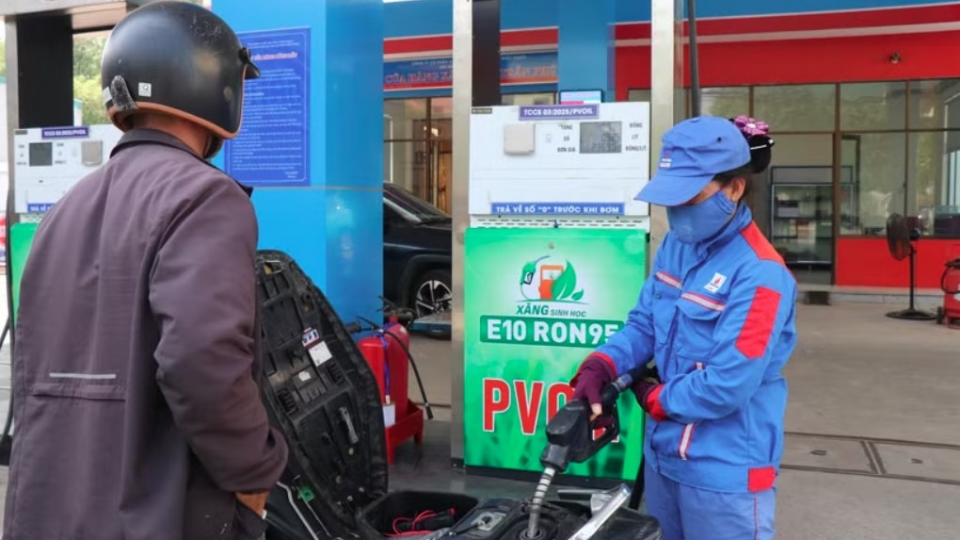
E10 biofuel to be distributed nationwide from next month
E10 biofuel will officially be distributed nationwide from June 1 under the Ministry of Industry and Trade’s roadmap on energy transition and environmentally friendly fuel use.