


Businesses urged to enhance capabilities to tap UAE market under CEPA

VOV.VN - Vietnamese enterprises must refine their products, meet stringent market standards, and proactively seek out partners in the United Arab Emirates (UAE) and the broader Middle East to capitalize on opportunities under the Comprehensive Economic Partnership Agreement (CEPA).
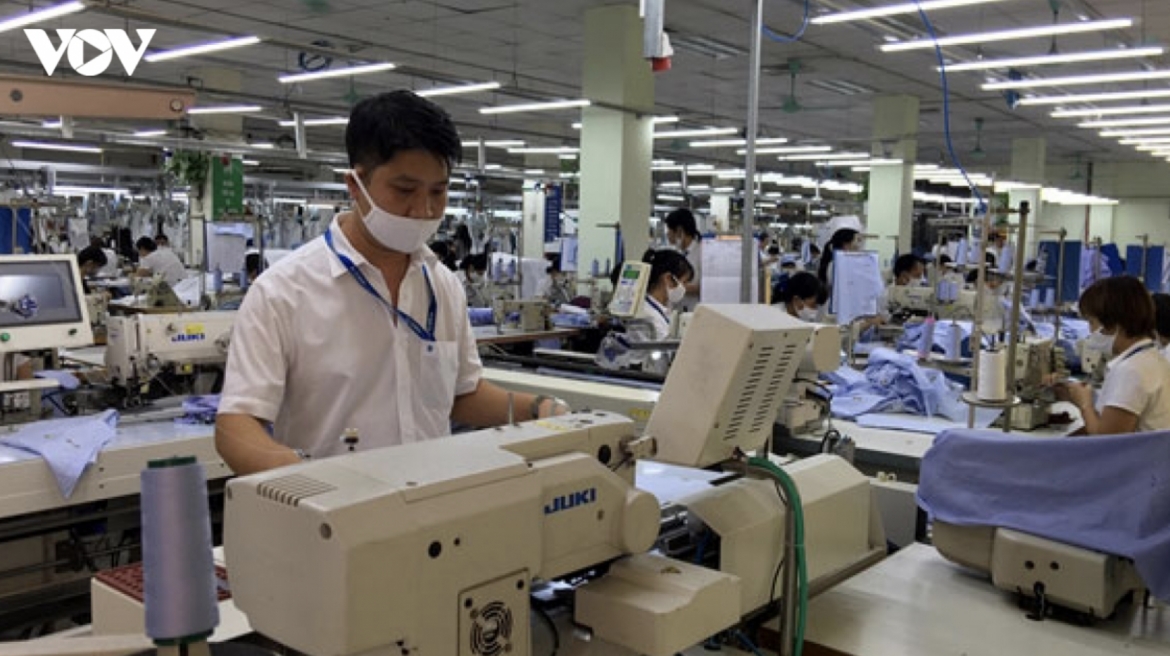
The Vietnam-UAE CEPA, which officially took effect on February 3, 2026, has opened a new phase of bilateral trade cooperation. Under the agreement, the UAE immediately eliminated 74.2% of tariff lines upon entry into force, with the figure set to reach 89.2% within five years.
Bilateral trade reached approximately US$6.55 billion in 2025, with Vietnam's exports exceeding US$5.9 billion. During the first half of 2026, bilateral trade maintained steady momentum, totaling about US$3.157 billion, up 0.2% year-on-year.
Despite these favorable conditions, Nguyen Quang Huy, Vice Chairman of the Vietnam National Start-up Association, notes that bilateral trade is modest relative to its potential. He points out that regional conflicts and logistical hurdles, such as shipping costs of US$2,000–US$4,000 per container and transit times of one to two weeks, continue to pose direct barriers for Vietnamese goods entering the UAE and the Middle East.
In addition to logistical challenges, Huy emphasizes that Vietnamese enterprises must better prepare their production capacity, product quality, documentation, and raw material sourcing to meet strict import standards, particularly within the Halal market. He observes that the Halal market is still relatively new to many domestic enterprises, urging business associations and management agencies to provide targeted guidance.
Furthermore, he highlighted that Vietnamese enterprises have yet to dedicate sufficient resources or attention to the UAE and Middle East markets due to a lack of market information. Rather than viewing the UAE only as an end-consumer market, he advises businesses to utilize it as a strategic gateway to explore opportunities in the Middle East, Africa, and Europe.
To maximize CEPA opportunities, Huy called for enhanced trade promotion efforts, including improved market intelligence, direct business matching organized by trade offices, and financial support for local firms participating in major trade fairs across the Middle East.
Concluding his assessment, Huy, in his dual capacity as Vice Chairman of the Vietnam National Start-up Association and Chairman of VietWay in the UAE, expressed hope that the organization will serve as a reliable bridge connecting Vietnamese businesses with the UAE and Middle Eastern business communities, thereby helping bring Vietnamese goods, services, and brands closer to the international market.
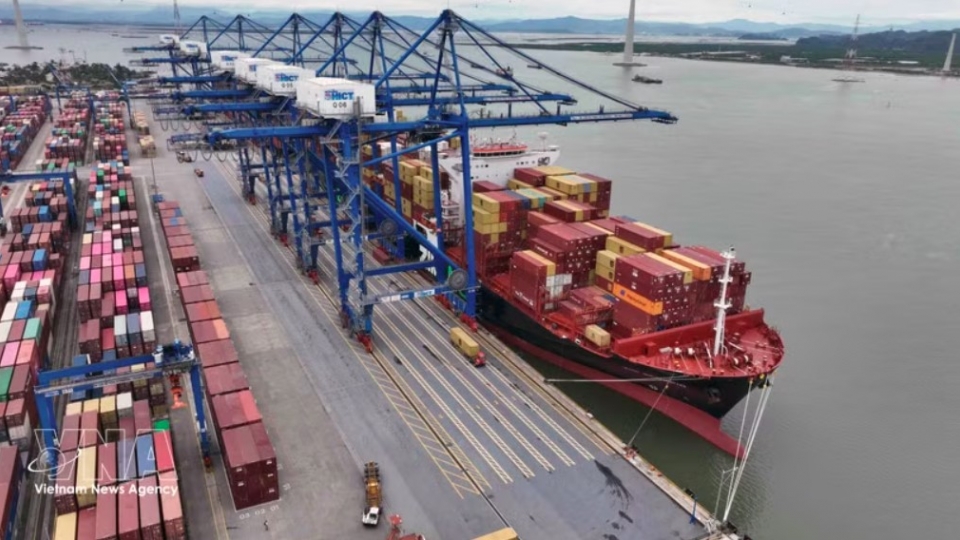
Rules of origin under regulations issued for Vietnam-UAE CEPA
In order to implement the Comprehensive Economic Partnership Agreement (CEPA) between Vietnam and the United Arab Emirates (UAE), the Ministry of Industry and Trade has issued Circular No. 24/2026/TT-BCT dated May 5, 2026, stipulating rules of origin for goods under the pact.


