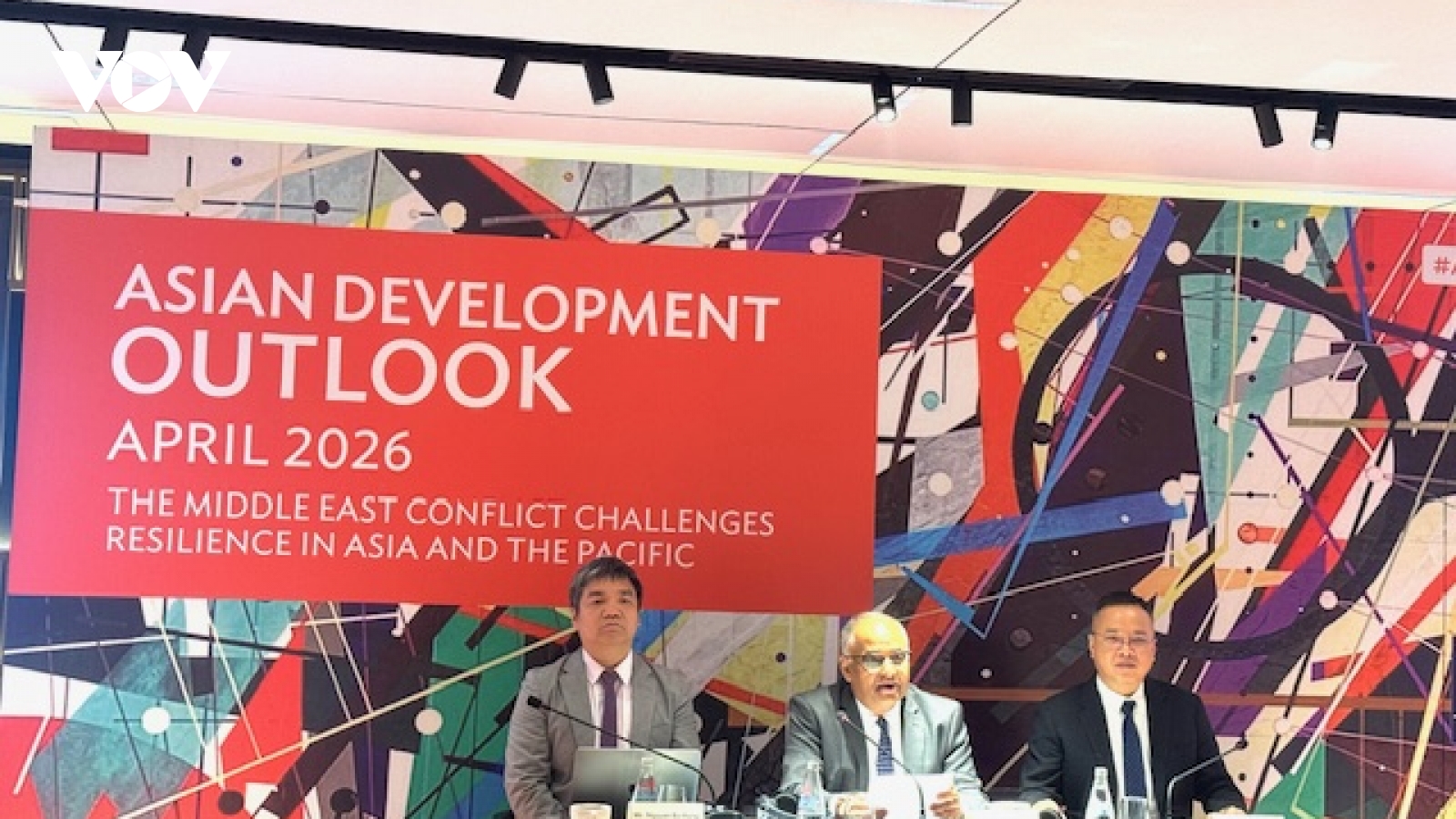
ADB official highlights Vietnam's resilience, outlines reform priorities for growth

An official from the Asian Development Bank (ADB) has expressed confidence in Vietnam’s medium-term economic outlook, describing the country as one of Southeast Asia’s most resilient economies despite mounting global uncertainties.
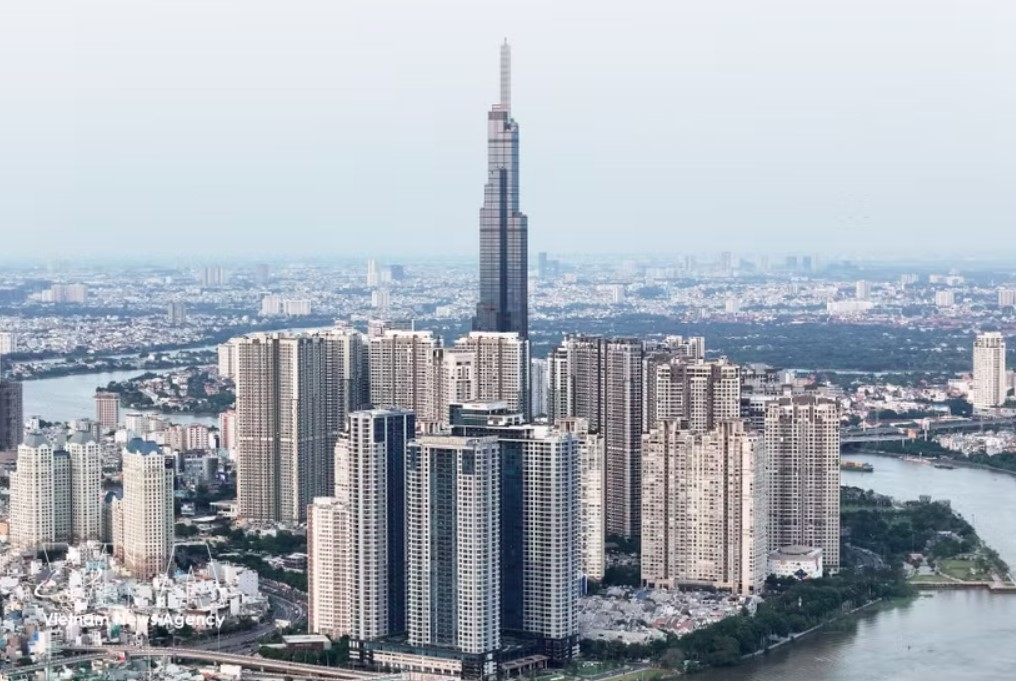
Speaking to a Vietnam News Agency reporter on the sidelines of the 59th Annual Meeting of the ADB Board of Governors in Samarkand, Zhang Nianshan, Director General of ADB’s Southeast Asia Department, noted that Vietnam possesses strong structural advantages that will help sustain growth in 2026-2027.
According to Zhang, Southeast Asia as a whole remains vulnerable to external shocks, including prolonged high interest rates, geopolitical conflicts and disruptions to global supply chains. Tensions in the Middle East, in particular, continue to affect shipping activities and energy infrastructure, resulting in tighter supply and elevated energy prices.
Under ADB’s baseline scenario, with crude oil prices averaging US$96 per barrel this year before easing to US$80 next year, Southeast Asia’s medium-term growth could slow to 4.2%, while inflation may rise to 4.5% in 2026.
However, the region is still expected to remain resilient in the short term thanks to strong domestic demand, he noted, adding that growth prospects will depend heavily on countries’ ability to manage external shocks while maintaining fiscal and macroeconomic stability.
Against that backdrop, Vietnam stands out for its stable macroeconomic management and strong policy responses, Zhang said.
He highlighted Vietnam’s ample fiscal space and relatively low public debt, which have enabled the Government to cushion the impact of oil market disruptions and stabilise prices effectively. ADB was particularly impressed by the Government’s timely and decisive support measures aimed at reducing negative spillover effects from the global environment.
Public investment, domestic consumption, tourism recovery and digital transformation are expected to continue supporting Vietnam’s growth momentum in 2026, he said.
Meanwhile, export-oriented manufacturing and foreign direct investment (FDI) remain key growth drivers despite external headwinds and the high comparison base of 2025.
Vietnam recorded growth of more than 8% in 2025 and has set an ambitious target of achieving double-digit growth in the 2026-2030 period as part of its goal to become a high-income country by 2045.
To realise those ambitions, Zhang said Vietnam needs to accelerate reforms in three key areas.
First, the country should improve labour productivity and economic resilience by streamlining administrative procedures, improving the business climate, strengthening governance efficiency and enhancing science and technology capacity.
Second, Vietnam needs to further develop its financial sector and capital markets, particularly by expanding the corporate bond market to mobilise long-term funding and reduce dependence on bank credit.
Third, energy security and climate adaptation should be placed at the centre of the growth agenda. Diversifying energy sources and accelerating clean energy deployment will be critical to strengthening Vietnam’s long-term competitiveness, he stressed.
Zhang affirmed that ADB remains committed to supporting Vietnam’s development aspirations and reform agenda in the years ahead.
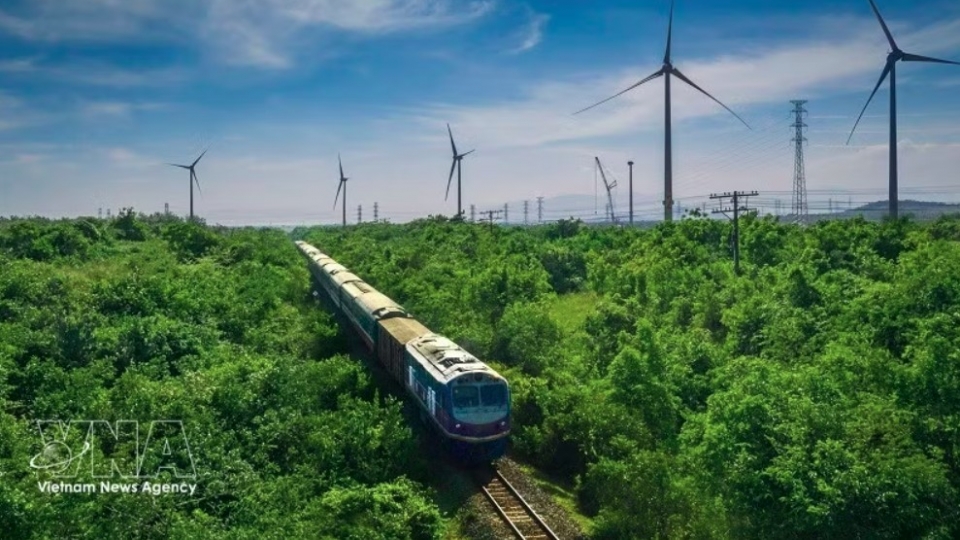
Vietnam – A strategic link in Pan-Asia Power Grid Initiative: ADB
Vietnam is viewed by senior experts from the Asian Development Bank (ADB) as a key link capable of driving the formation of a connected energy market in Southeast Asia.