Why the Full Moon of the First Lunar Month matters so much in Vietnam

VOV.VN - The full moon of the first lunar month, known in Vietnam as Rằm tháng Giêng or Tết Nguyên Tiêu - the 15th day of the first lunar month that falls on March 3 this year, is one of the most spiritually meaningful days in the Vietnamese calendar.
In Vietnamese cultural consciousness, beginnings matter deeply. A popular folk saying affirms: “Worship on the Full Moon of the First Lunar Month outweighs worship for the rest of the year.” This belief reflects the mindset of an agrarian society historically dependent on natural cycles, where the opening of a new year is thought to shape the fortunes that follow. As the first full moon of the year, the day is believed to set the spiritual tone for the months ahead.
According to Dr. Duong Hoang Loc, director of the Centre for Religious and Ethical Studies at the University of Social Sciences and Humanities under Vietnam National University–Ho Chi Minh City, Vietnamese tradition recognises three major full-moon festivals known as the “Three Primordials”: the Upper Primordial (15th day of the first lunar month), the Middle Primordial (15th day of the seventh lunar month), and the Lower Primordial (15th day of the tenth lunar month).
This concept bears the imprint of Taoist cosmology, which venerates three celestial officials governing Heaven, Earth, and Water. The Full Moon of the First Month is associated with the Heavenly Official who bestows blessings, symbolising hopes for favourable weather, family harmony, and prosperity in the year ahead.
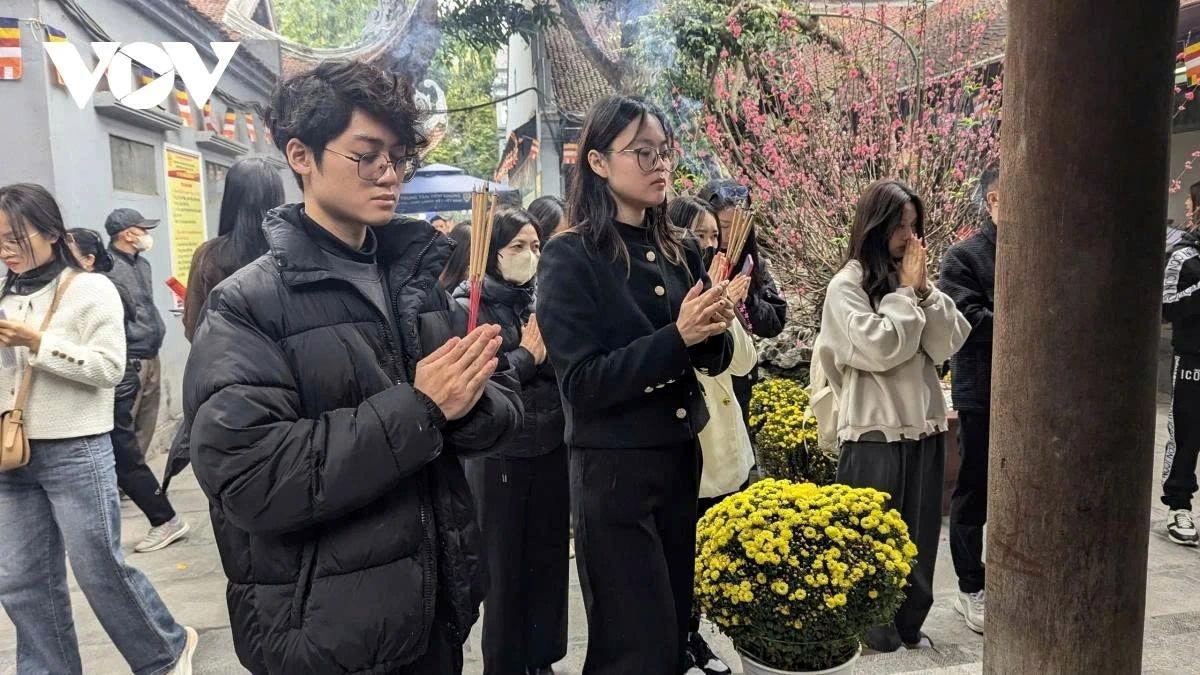
Beyond folk belief, the occasion carries strong Buddhist significance. In Buddhist practice, both the first day and the full moon of each lunar month are considered sacred. Yet the first full moon of the year holds particular resonance, as the round moon represents completeness, clarity, and fulfillment. Many believe that on this night, the Buddha bears witness to sincere devotion. Visiting pagodas, offering prayers, repenting past wrongdoings, and making new-year vows are therefore seen as especially meaningful.
Venerable Thich Minh Phu, a member of the Executive Council of the Vietnam Buddhist Sangha, underscoers that the essence of the day lies not in elaborate offerings but in inner sincerity. Many pagodas today encourage worshippers to light only a single incense stick to prevent waste and ensure safety, underscoring that spiritual intention, rather than outward display, is what truly matters.
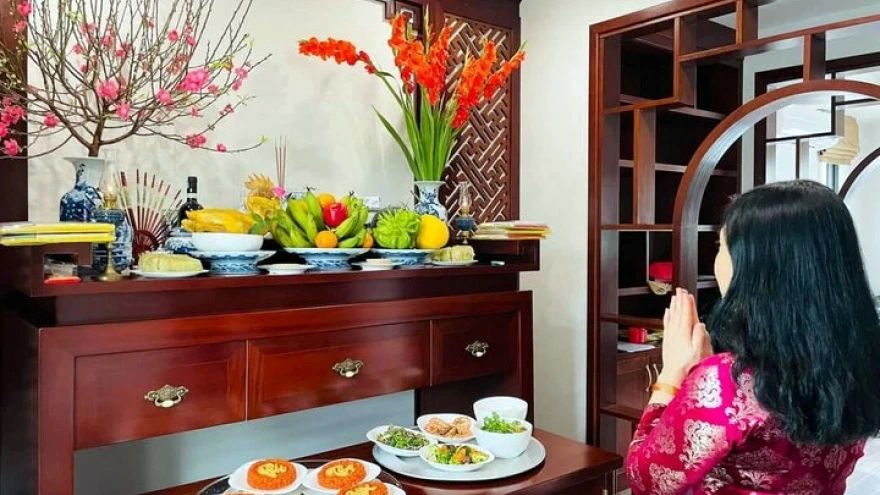
Within Vietnamese households, families prepare offerings to the Buddha, deities, and ancestors. These may include sticky rice, sweet soups, fresh flowers, fruits, and vegetarian or savoury dishes depending on local customs and family conditions. While the scale of celebration may vary in modern life, the core values of gratitude to ancestors and prayers for peace remain unchanged. For many families, this is considered the first ancestral commemoration of the new year.
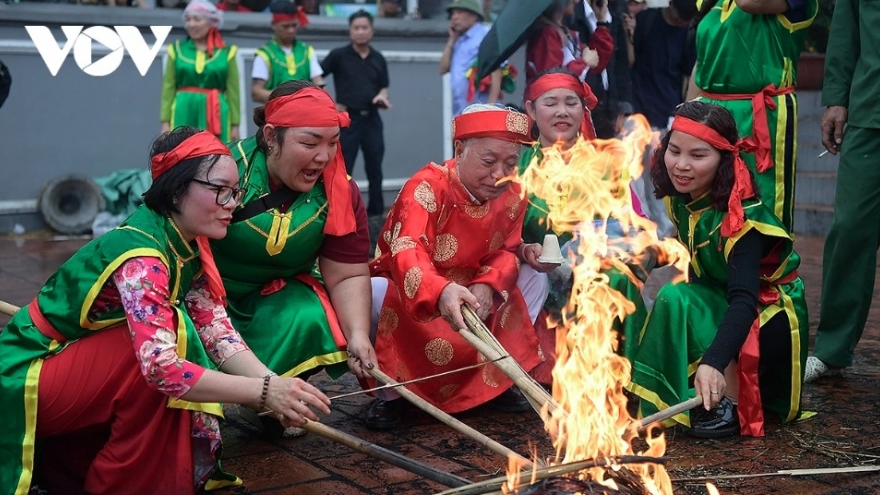
The festival is also linked to Tết Nguyên Tiêu, a celebration with deep historical roots. In imperial times, the Upper Primordial Festival was once known as the “Festival of the Laureates,” when the king hosted banquets for top scholars under the full moon, composing poetry in palace gardens. Over time, the festivities spread among the people, featuring lantern displays, martial arts performances, music, and communal gatherings.
In Ho Chi Minh City, the occasion coincides with the Lantern Festival celebrated by the Chinese-Vietnamese community, bringing vibrant celebrations to the locality. Streets glow with red lanterns, lion and dragon dances fill the air with rhythmic drums, and ceremonial processions honouring Guan Yu take place at historic assembly halls, creating a vivid portrait of cultural exchange between Vietnamese and Chinese traditions.
Although modern life has transformed many aspects of traditional practice, the spiritual essence of the Full Moon of the First Lunar Month endures. More than a day to pray for good fortune, it is a moment of reflection, an opportunity to renew one’s intentions and begin the year with clarity and hope. Ultimately, its lasting value lies not in lavish offerings, but in sincerity and the quiet belief in a blessed new beginning.
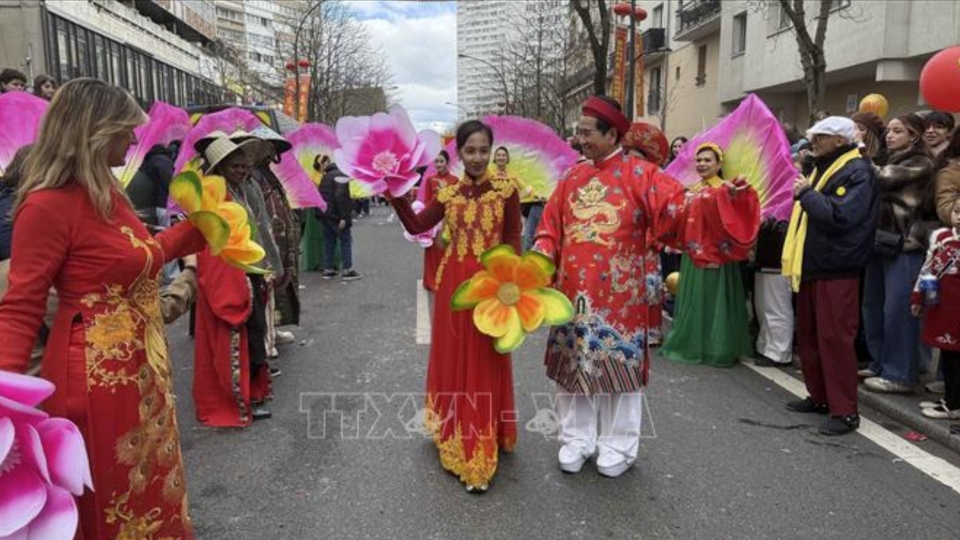
Vietnamese culture leaves its mark at France’s largest Lunar New Year parade
VOV.VN - Hundreds of thousands of residents and visitors gathered in Paris’ 13th arrondissement on March 1, the 13th day of the first lunar month, for the 2026 Lunar New Year parade, the largest community cultural event of Asian countries in France,with the Vietnamese delegation making a clear impression.