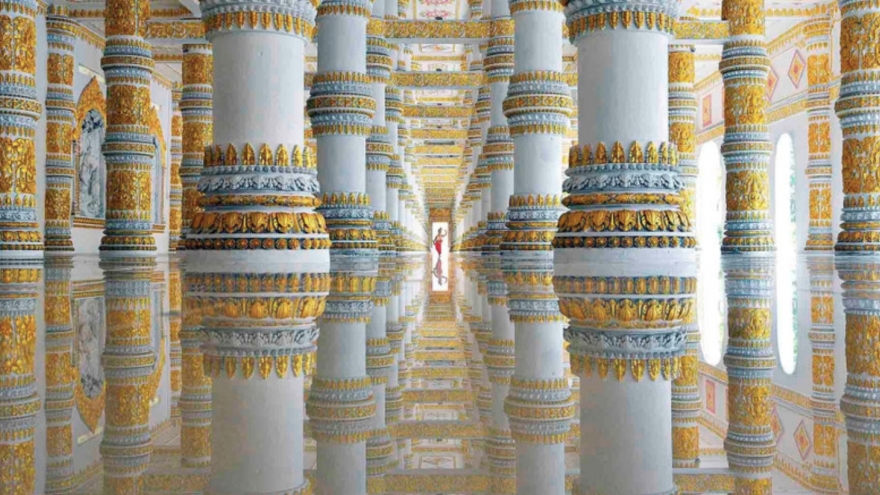
“Vietnam’s imprint on the world heritage map” highlights national pride

VOV.VN - Amid increasingly deep international integration, at a time when culture is recognised as a spiritual foundation and an internal strength underpinning the country’s sustainable development, heritage is becoming a “measure” of each nation’s identity and standing.
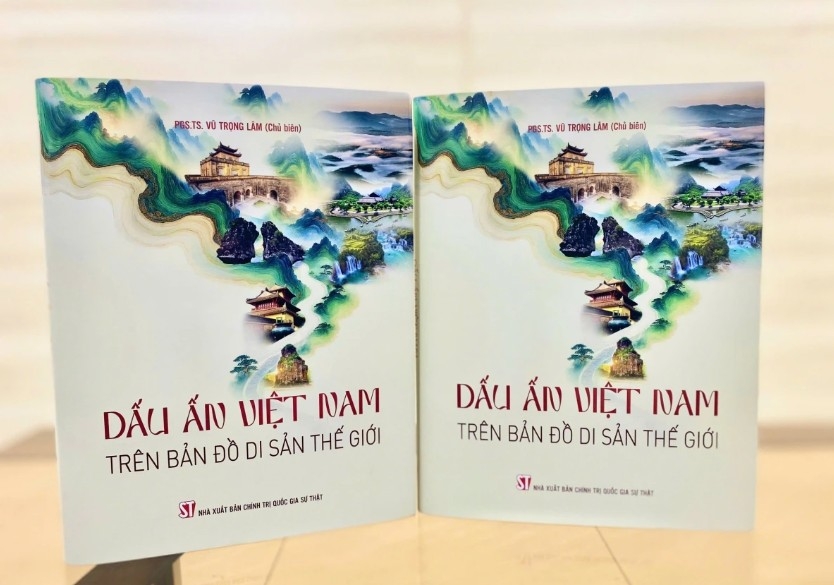
With 50 representative heritage sites recognised by UNESCO, Vietnam is proud to be among the countries with one of the region’s richest and most diverse collections of cultural and natural heritage.
The National Political Publishing House Su That has recently released the book “Dấu Ân Việt Nam Trên Bản Đồ Di Sản Thế Giới” (Vietnam’s Imprint on the World Heritage Map), edited by Associate Professor Dr Vu Trong Lam, Director and Editor-in-Chief of the publishing house.
The book introduces outstanding heritage sites recognised by UNESCO. These sites are arranged in chronological order according to the time of their recognition and are divided into five sections:Part I: World cultural and natural heritage; Part II: Intangible cultural heritage;Part III: Documentary heritage under the Memory of the World Programme; Part IV: World biosphere reserves; Part V: Global geoparks.
The book vividly reflects the richness, diversity and depth of value of Vietnam’s national heritage. Each heritage site carries its own story of time, creative achievement and the enduring spirit of many generations of Vietnamese people.
They also serve as a shared “language” that connects peoples and promotes mutual understanding, as the international community works toward universal values of peace, sustainable development and respect for cultural diversity.
According to Associate Professor Dr Vu Trong Lam, “Culture is the spiritual foundation of society and an internal strength ensuring the country’s sustainable development. Within that framework, cultural heritage holds a special position. It represents the crystallisation of national history, preserves collective memory, and stands as vivid evidence of the resilience, intellect and creativity of the Vietnamese people throughout the long history of nation-building and defence. Heritage can only endure when it is valued and safeguarded by the community. A deep understanding of heritage values strengthens confidence and aspiration as the country moves into a new era.”
In the current context, as heritage plays a growing role as a form of “soft power” that helps enhance national standing, intensify cultural exchange and expand international cooperation, the book contributes to promoting the image of Vietnam and its people as culturally rich and friendly.
It presents a Vietnam that respects the past, shapes the present and looks toward the future. The book also helps raise social awareness, reinforce love for the homeland, foster national pride, and build consensus while spreading a sense of responsibility for preserving and promoting Vietnamese cultural values in the period of international integration.
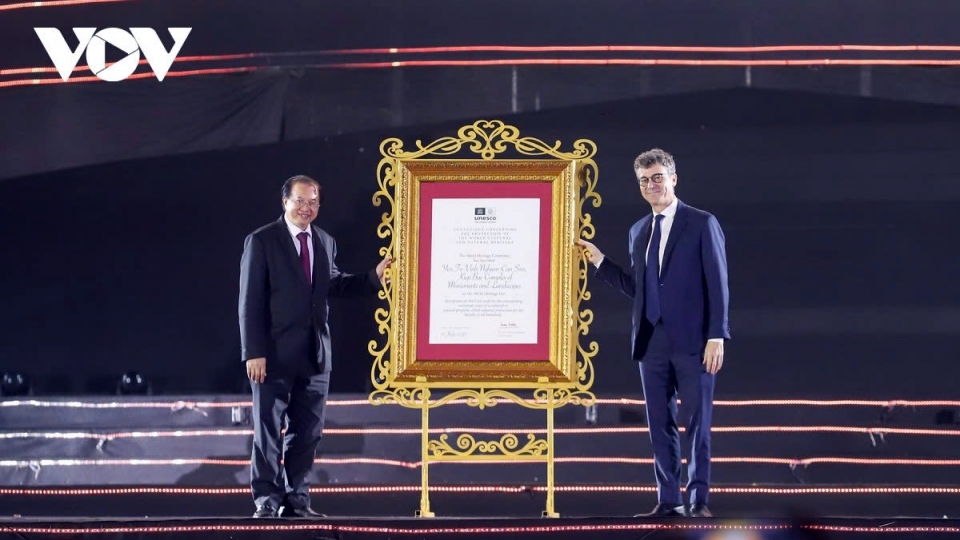
UNESCO honours Yen Tu–Vinh Nghiem–Con Son–Kiep Bac Complex
VOV.VN - The northern provinces of Quang Ninh and Bac Ninh and the port city of Hai Phong jointly hosted a ceremony on December 20 to receive UNESCO’s certificate recognising the Yen Tu–Vinh Nghiem–Con Son–Kiep Bac Complex as a World Cultural Heritage Site.