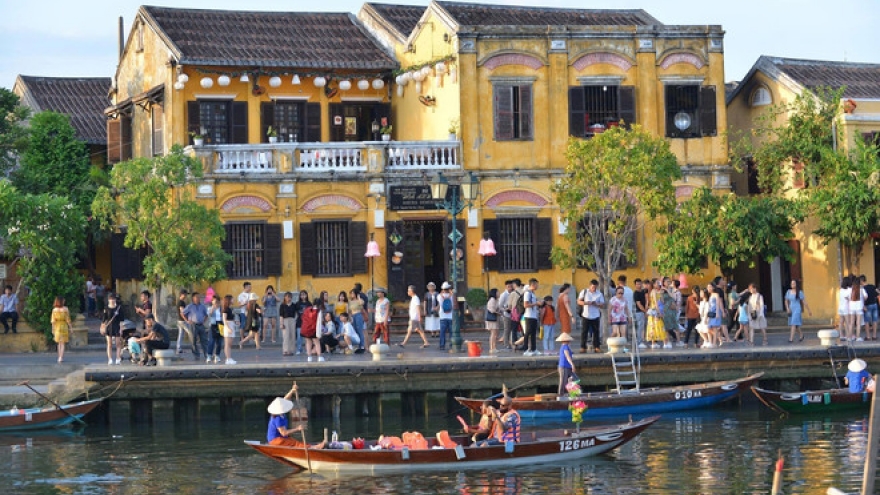
Strategy adopted to promote national image overseas through 2030

VOV.VN - Deputy Prime Minister Mai Van Chinh has signed Decision No. 173, approving a strategy for communication and promotion of Vietnam’s images broad for the 2026-2030 period, with a vision to 2045.
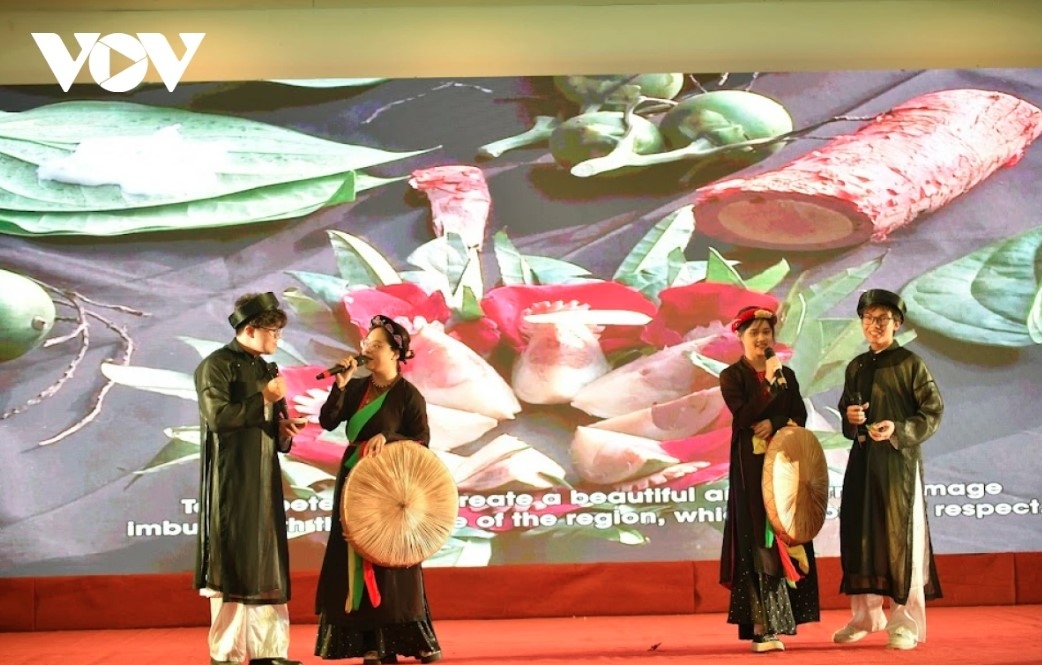
The strategy is designed to promote Vietnam’s image overseas in a proactive, comprehensive, unified and effective manner, thereby strengthening international awareness, goodwill and trust toward the country, its people, culture and development achievements.
It is intended to contribute to reinforcing Vietnam’s position, credibility, identity and national competitiveness at regional and global levels.
Under the strategy, the long-term objective is to position Vietnam among Asia’s leading countries in terms of national brand and image by 2045, with targets of ranking within the top three in ASEAN and the top 30 globally on the National Soft Power Index.
The strategy also sets out goals to make Vietnam an attractive destination for tourism, investment, innovation and international cultural exchange, including an ambition to welcome around 70 million international visitors annually and to attract high-quality foreign direct investment (FDI), in support of the country’s goal of becoming a high-income developed nation by 2045.
A key emphasis of the strategy is the need for a fundamental shift in mindset, alongside greater consistency in awareness and action regarding the role of international communication in promoting the country’s image.
Notably, the strategy for the first time introduces a requirement to develop communication content and messaging in a structured manner. This includes identifying the core pillars shaping the national image; building a set of focused, priority messages; and adjusting them flexibly across different phases, markets and audience groups.
The strategy also emphasises the use of “Vietnam stories”, including representative narratives, role models, figures, events, initiatives and products across sectors, to project the country’s image internationally and develop a coherent national image identity system.
Another task outlined in the strategy is to strengthen inter-agency and inter-level coordination, mobilise social resources, and establish mechanisms for monitoring, evaluation and flexible adjustment during implementation.
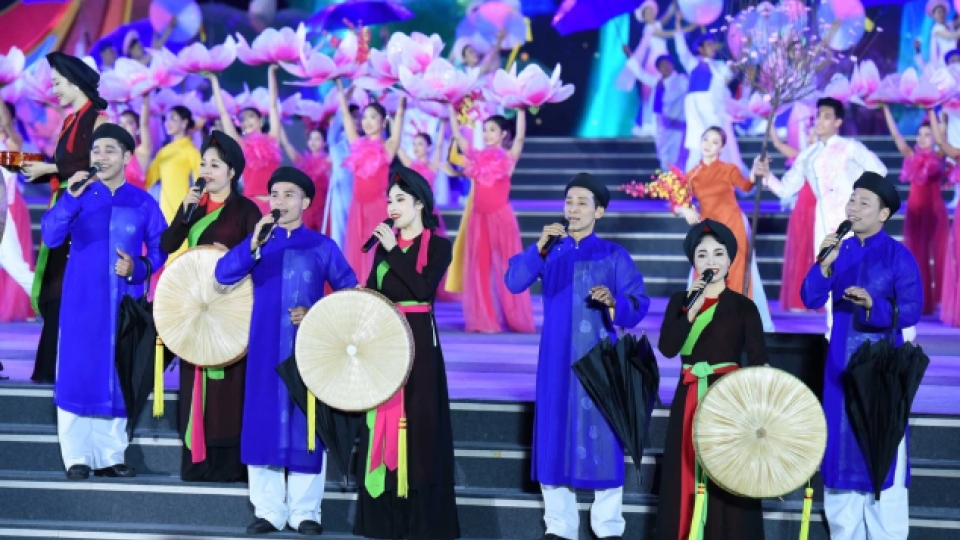
Cultural industry strategy: Vietnam steps into era of creative economy
As the cultural industries emerge as a new growth engine for many economies worldwide, Vietnam’s recent release of a Strategy for the Development of Cultural Industries to 2030, with a vision to 2045, holds significant importance.