Dong Ho folk painting craft inscribed on UNESCO’s Urgent Safeguarding List

VOV.VN - The traditional craft of Dong Ho folk painting has been inscribed on UNESCO’s List of Intangible Cultural Heritage in Need of Urgent Safeguarding, marking Vietnam’s 17th element recognised on UNESCO’s intangible cultural heritage list.
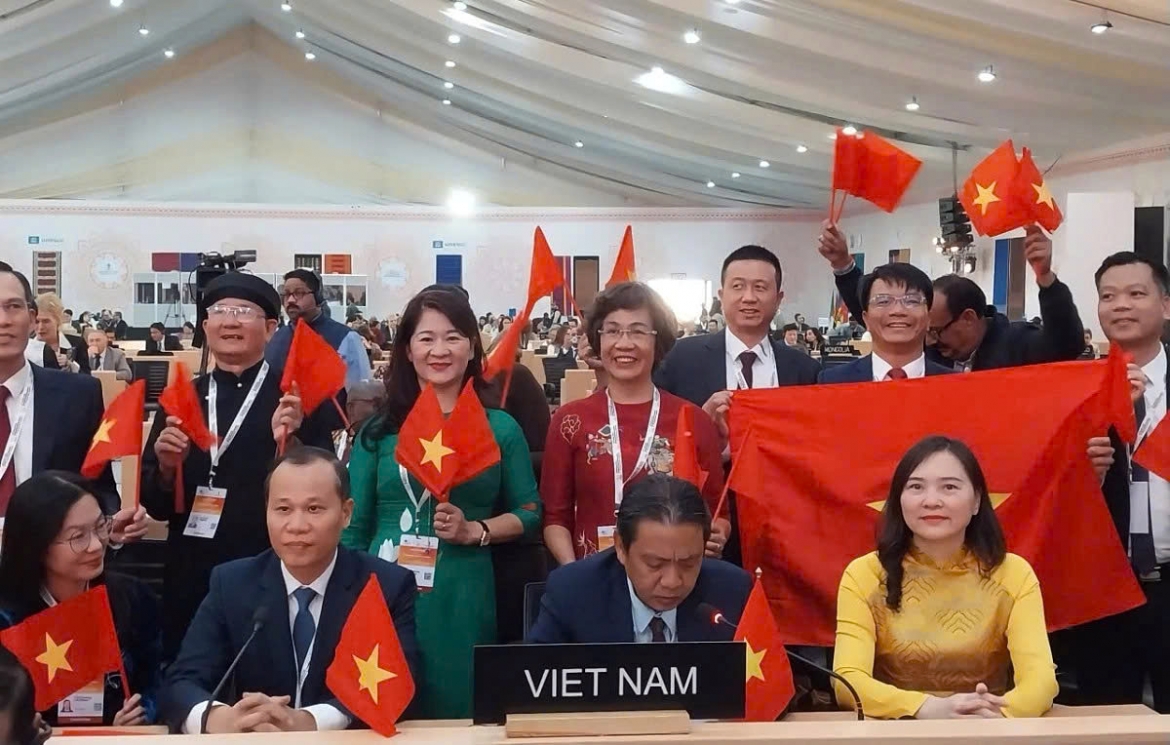
The decision was adopted at 14:38 (local time) in New Delhi, India, on December 9 during the 20th session of the UNESCO Intergovernmental Committee for the Safeguarding of the Intangible Cultural Heritage. The meeting is taking place from December 8 to 13 at India’s Red Fort World Heritage Site.
The woodblock painting craft is among 68 nominations from 78 countries reviewed at the 20th session. The folk art was inscribed on the list of national intangible cultural heritage by the Ministry of Culture, Sports and Tourism in December 2012.
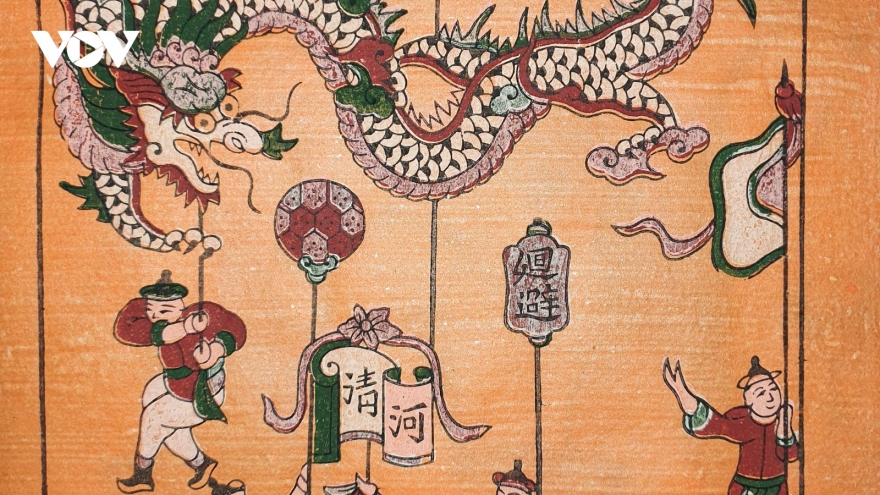
The craft, practiced in Dong Ho village of former Thuan Thanh district in Bac Ninh province, dates back about 500 years. It is known for its distinctive woodblock printing techniques, colour palette and visual themes.
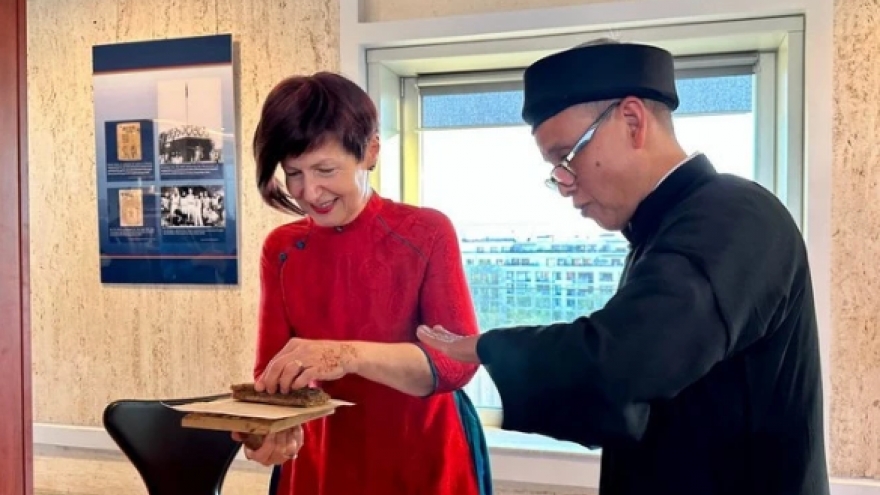
Artisans hand-produce every stage of the process, including designing motifs, carving woodblocks, preparing pigments and printing the images. Motifs are painted with brush and Chinese ink on dó (poonah) paper before being carved onto wooden blocks made from the Vietnamese thị tree.
The colours are derived entirely from natural materials: indigo leaves for blue, red ochre stones for red, pagoda-tree flowers and gardenia fruit for yellow, weathered seashell powder for white, and burnt bamboo leaves or rice straw for black.
Painters traditionally print with five basic colours on dó paper coated with điệp - a paste made from crushed, weathered seashells. Red is printed first, followed by blue, yellow and white, while the final black outline block completes the image.
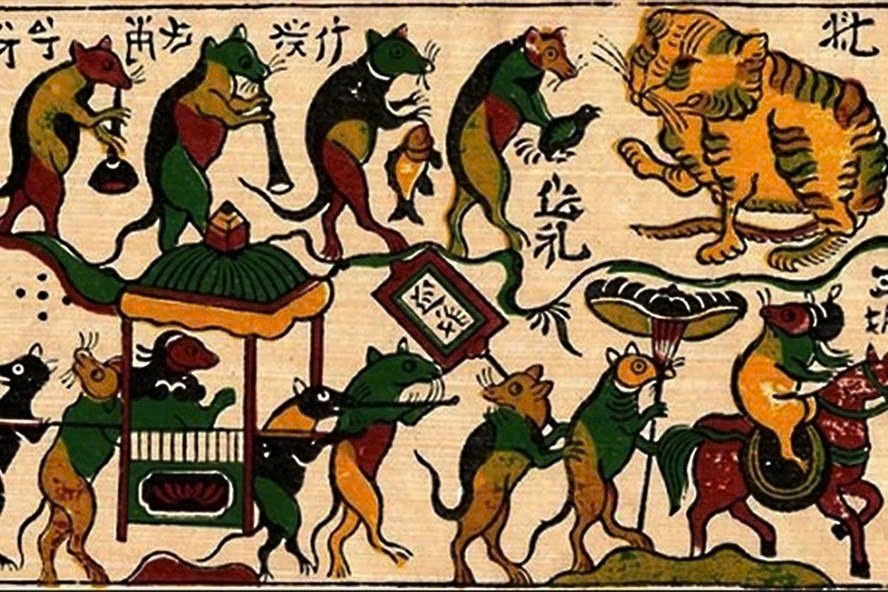
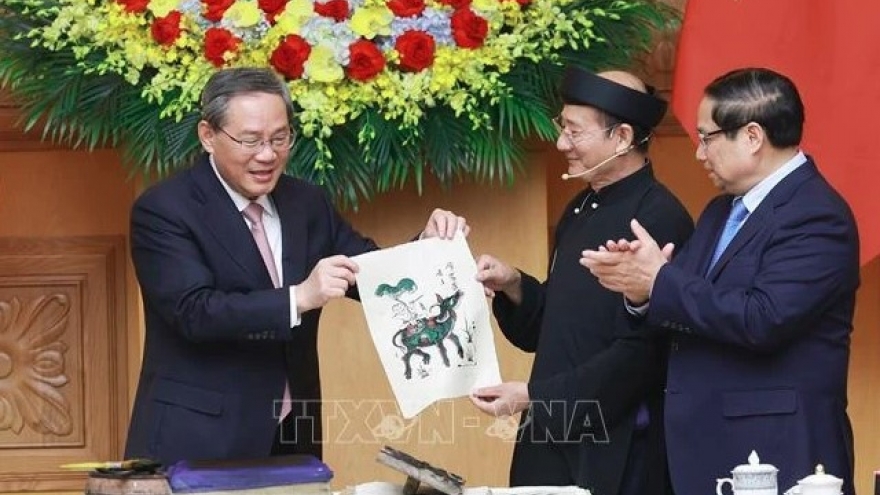
Dong Ho paintings cover themes such as worship, festive greetings, historical narratives, daily life and landscapes. They are closely associated with Vietnamese customs of displaying paintings during Lunar New Year, Mid-Autumn Festival and ancestral worship.
According to the UNESCO Intergovernmental Committee, Vietnam’s nomination dossier for Dong Ho painting met all criteria for inscription, noting that the craft is closely associated with major cultural occasions such as the Lunar New Year and Mid-Autumn Festival, as well as ancestral and deity worship. Today, only a small number of households continue to practise the craft, transmitting knowledge within families or to apprentices through direct mentoring.
UNESCO noted that the number of skilled artisans has sharply declined, with only a few households maintaining the craft due to limited income, reduced demand for traditional woodblock prints, and declining interest among younger generations. The organisation concluded that the remaining practitioners are too few to sustain transmission without urgent safeguarding measures.
Vietnam’s safeguarding plan outlines seven objectives, including offering training classes, strengthening inventory work, regenerating designs, diversifying markets, improving access to natural raw materials and providing protective equipment for artisans.
The UNESCO Committee said the proposed measures are feasible, sustainable and place communities at the centre.
The nomination dossier also demonstrated active community participation, particularly among practising families, through inventory activities and public consultations.
In its decision, the Committee encouraged Vietnam to consider integrating the heritage into both formal and non-formal education systems to help younger generations appreciate the value of safeguarding traditional crafts.
Representing Vietnam and the Dong Ho folk painting community, Deputy Minister of Culture, Sports and Tourism Hoang Dao Cuong, who is also Vice Chairman of the Vietnam National Commission for UNESCO, and Mai Son, Standing Vice Chairman of the Bac Ninh Provincial People’s Committee, delivered remarks following the inscription. They affirmed Vietnam’s commitment to implementing the necessary measures to safeguard the values of the Dong Ho folk painting tradition.
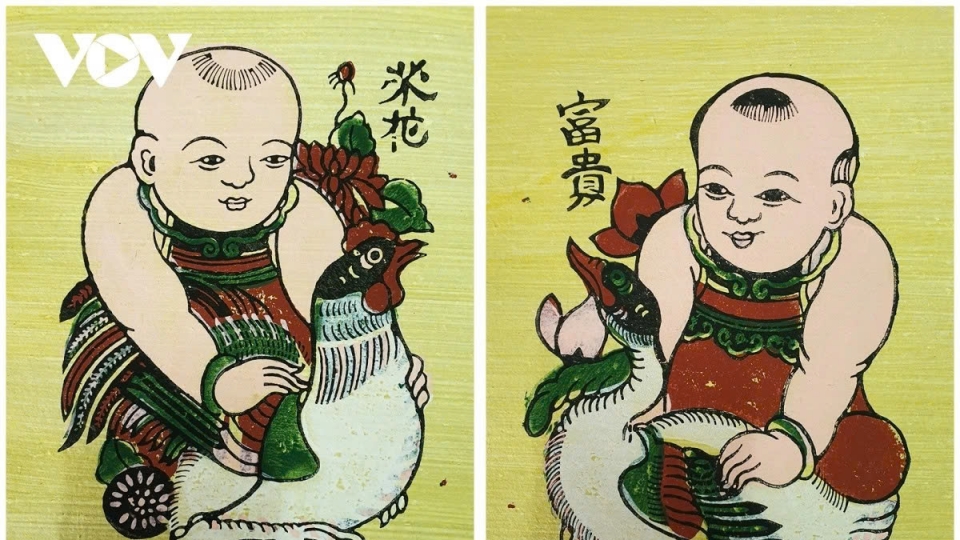
UNESCO considers World Heritage status for Dong Ho folk painting
VOV.VN - The UNESCO Intergovernmental Committee for the Safeguarding of the Intangible Cultural Heritage is reviewing Vietnam’s nomination of Dong Ho folk painting for inscription on UNESCO’s List of Intangible Cultural Heritage in Need of Urgent Safeguarding, during its 20th session in New Delhi, India.