Dak Lak links Ede longhouse preservation with sustainable livelihoods

Preserving the traditional longhouses of the Ede ethnic people helps protect cultural heritage while supporting community-based tourism. This sustainable approach ensures these structures last for generations and provides income for local communities.
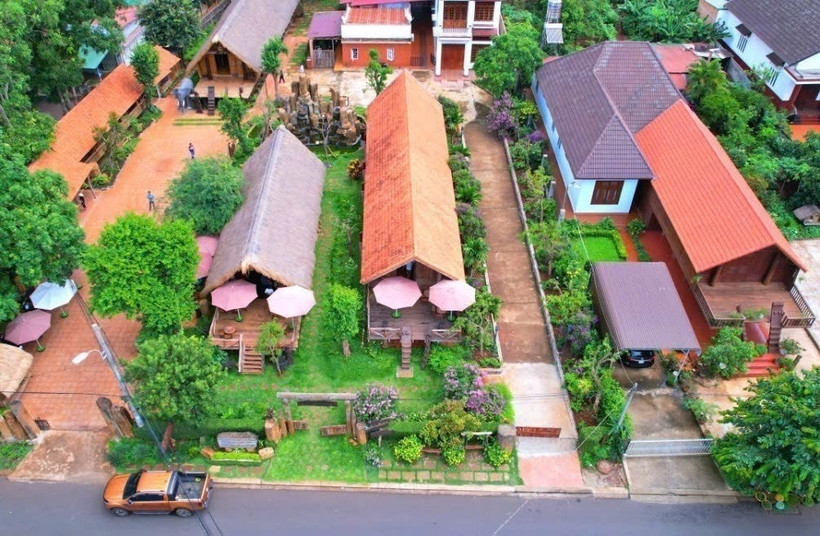
The Ede longhouse is a distinctive architectural form, constructed mainly from wood, bamboo and rattan and roofed with thatch. Its most striking feature is its length, which can measure up to dozens of metres. The house is often extended whenever a female member of the family gets married, reflecting the Ede’s long-established matriarchal social system.
A defining feature is the main staircase, which is carved with a crescent moon, beneath which are two round carved breasts symbolising the authority of women in the family.
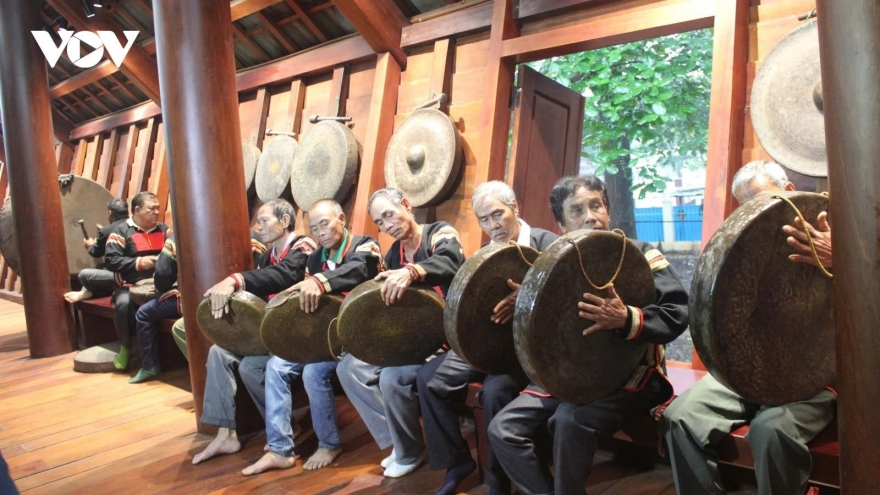
All cultural activities, from water-worshipping rituals and new rice harvest celebrations to epic performances and the resounding sounds of gongs and drums, take place under the roof of the longhouse. The longhouse is therefore not merely a place to live, but the spiritual heart of the village.
Vo Thi Phuong, Director of the Dak Lak Museum, said the Ede longhouse has, for generations, represented far more than domestic architecture. It embodies a unique matriarchal culture and serves as a powerful bond linking family members and the wider village community.
Living museum
According to the provincial Department of Culture, Sports and Tourism, around 5,600 longhouses have been preserved or restored across Dak Lak. However, rapid urbanisation, changing lifestyles, rising costs and the growing scarcity of traditional building materials have made maintenance increasingly difficult. Many longhouses have deteriorated or been replaced by modern concrete houses.
To address this, Dak Lak has introduced a range of measures to conserve and promote the value of traditional longhouses. These efforts have produced positive results, with several villages linking longhouse preservation to tourism development. In such areas, longhouses function not only as family and communal spaces but also as attractions for domestic and international visitors.
A notable example is Ako Dhong village in Buon Ma Thuot, which was recognised as a community-based tourism village in early 2023. Despite its urban setting, Ako Dhong has emerged as a “living museum” of Ede culture, with traditional longhouses preserved and inhabited by local families.
H’Wit Byă, head of Ako Dhong village, said nearly 40 traditional longhouses remain in the community. Unlike reconstructed models elsewhere, these houses continue to serve as everyday living spaces. Local authorities have supported residents in preserving original architectural features and the village landscape, while encouraging the integration of longhouses into tourism services. Many families have adapted their homes to provide accommodation, meals and cultural experiences, linking heritage preservation with income generation.
Mai Thanh Tam, a visitor from Hanoi, described her stay in Ako Dhong as a memorable experience. She said she was particularly impressed by the longhouse architecture, with its extended layout and symbolic staircases reflecting the central role of women in Ede families.
Inside the longhouse, displays of ancient gong sets, long kpan benches, jars for fermented rice wine and traditional household tools recreate a vivid picture of the Ede life and the broader culture of Central Highlands villages.
Nguyen Thuy Phuong Hieu, Deputy Director of the provincial Department of Culture, Sports and Tourism, said Dak Lak is home to many ethnic groups, creating rich cultural diversity. Among its most distinctive attractions are the epic of Dam San, along with languages, festivals, cuisine and longhouse architecture.
Looking ahead, provincial authorities plan to continue supporting community-based tourism villages through infrastructure investment, restoration funding and assistance for art performance groups, while encouraging residents to protect traditional longhouses as a foundation for sustainable tourism and livelihoods.
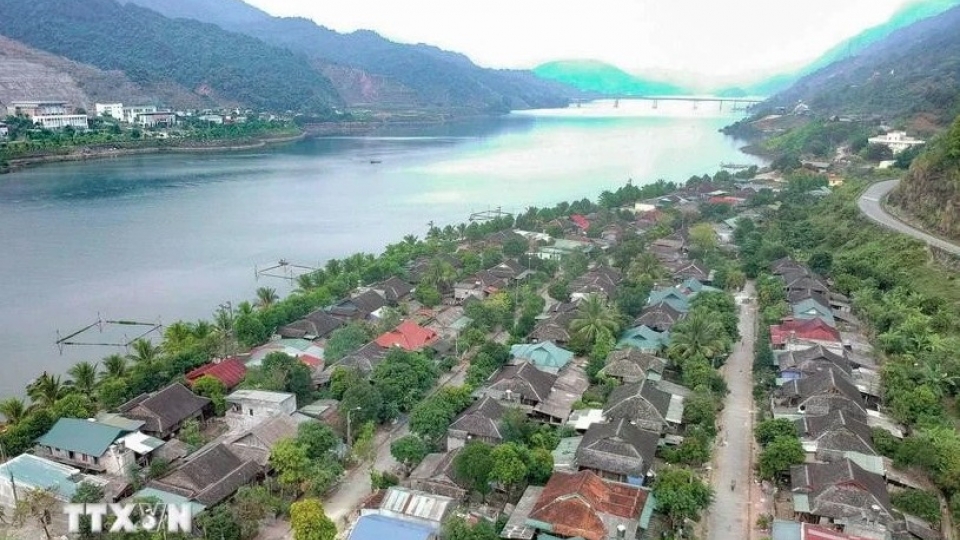
Vietnam's record set for White Thai stilt houses in Muong Lay
Muong Lay township in northwestern Dien Bien province has officially set a record as the locality with the highest density of traditional stilt houses built by the White Thai ethnic minority group.