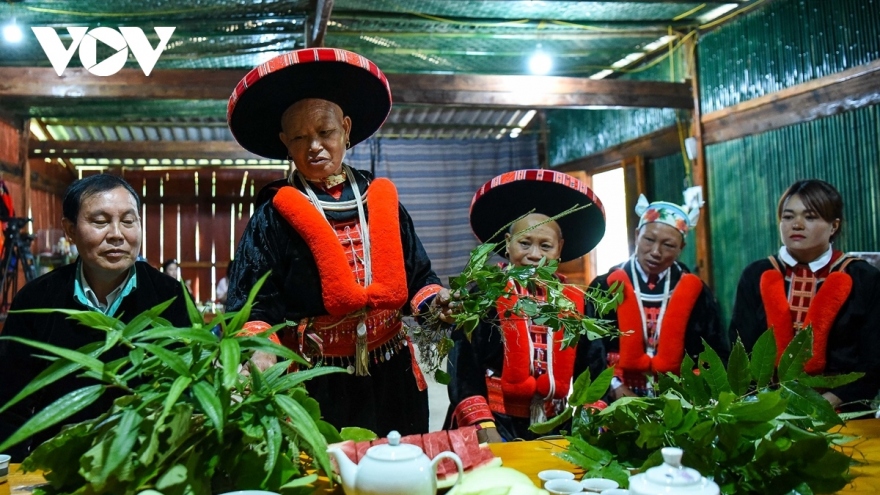
Tet lang: Distinctive cultural tradition of Dao Quan Chet ethnic group

VOV.VN - Tet lang (village Tet) of the Dao Quan Chet people, a subgroup of the Dao ethnic community in northern Vietnam, is a communal thanksgiving ritual usually held in early spring or at year-end to report to village guardian deities and ancestors that villagers have remained safe and healthy, and to give thanks for protection and good harvests.
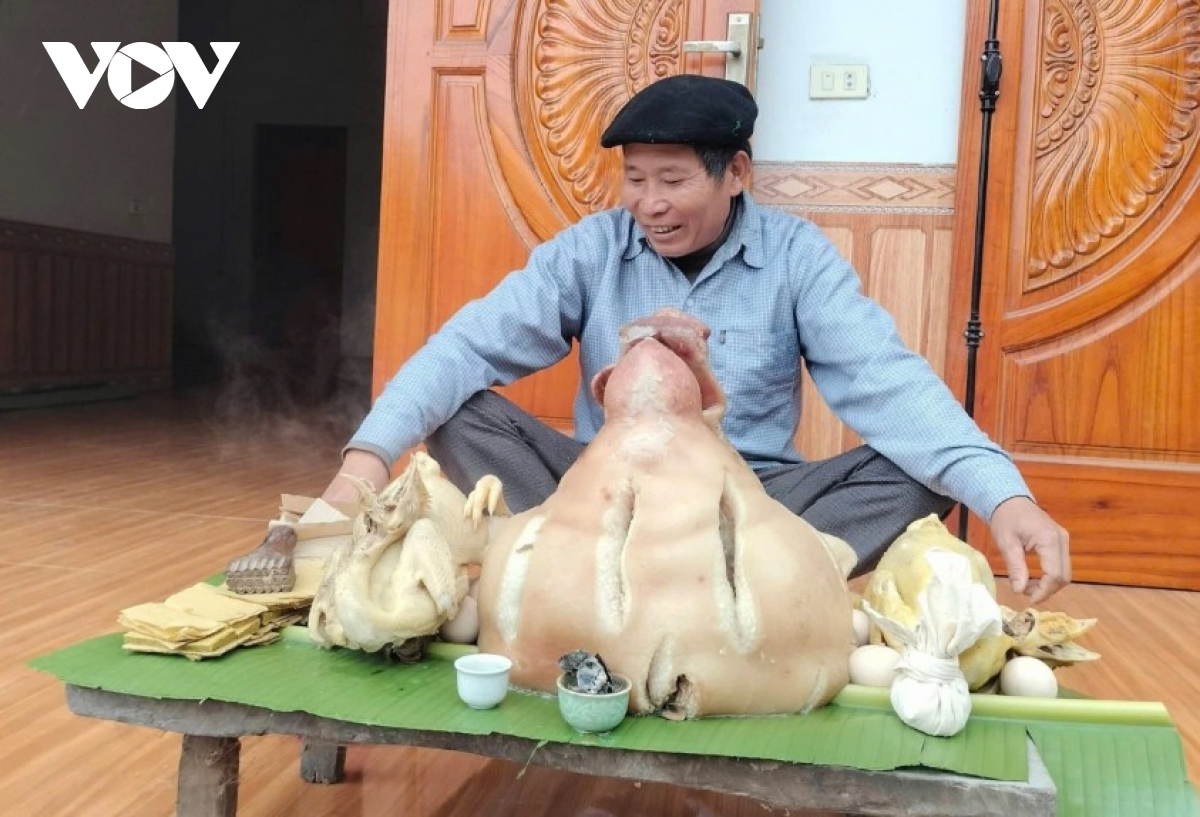
For Dao Quan Chet people in northern Thai Nguyen province, Tet lang belongs to the whole community and is organised before Lunar New Year. Even those studying or working away from home try to return to reunite with neighbours on this shared occasion.
On the day of Tet lang, families bring rice, eggs and votive paper to the house of the ông mõ (ritual officiant) and village elder to contribute to the ceremony and communal meal. Duong Thi Kim Canh from Tan Lap hamlet, Phu Xuyen commune, Thai Nguyen province, said the year-end offerings express gratitude to deities for protection, report achievements and pray for luck and happiness in the new year.
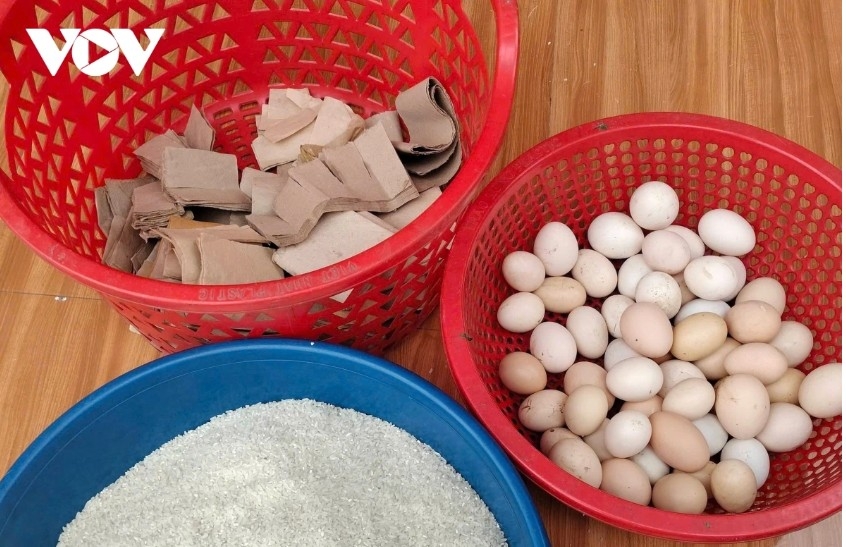
“The Dao Quan Chet thanksgiving belief is an important part of spiritual life and a way of remembering deities and forebears who protected us throughout the year. Depending on each family’s means, people contribute rice wine, pork, chicken, eggs, rice and votive paper to the house of the ong mo. It is a communal meal for the whole village,” she said.
The ritual consists of two ceremonies: one at the village shrine and another at the house of the ong mo. Before the shrine ceremony, the village elder selects an auspicious day and appoints a respected officiant trusted by villagers. Only men take part and must wear traditional Dao attire. According to Trieu Van Vien, deities communicate spiritually through traditional dress during the rite, symbolising closeness between the spiritual realm and the living.
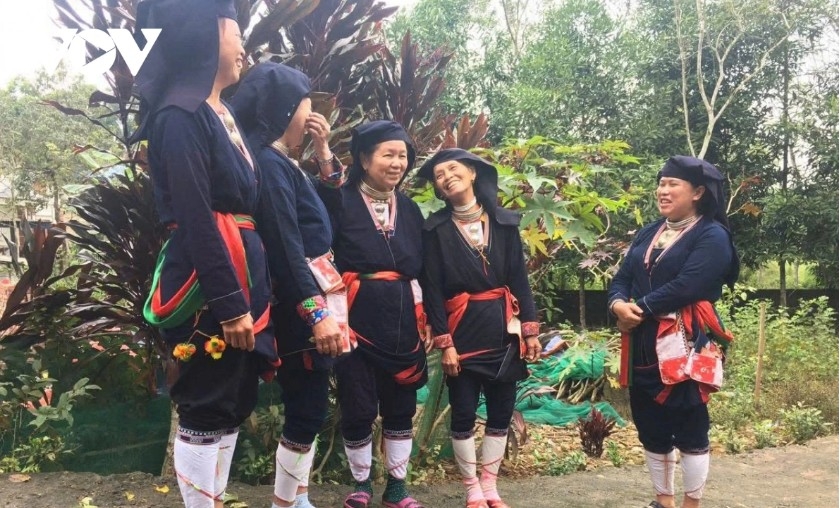
Prayers express gratitude for health, village harmony and good harvests, and ask that misfortune be kept away.
Offerings are simple; sincerity is considered most important. After the elder and village seniors complete the ritual, villagers take turns offering incense and making personal prayers. Residents then move to the house of the ong mo for the second rite, which helps strengthen community ties and morale.
“Tet lang does not belong to any one household but to the whole village. There is no distinction between rich and poor, nor generational distance-only solidarity among people who share customs. Families contribute voluntarily because this is a common Tet for the entire community,” a villager said.
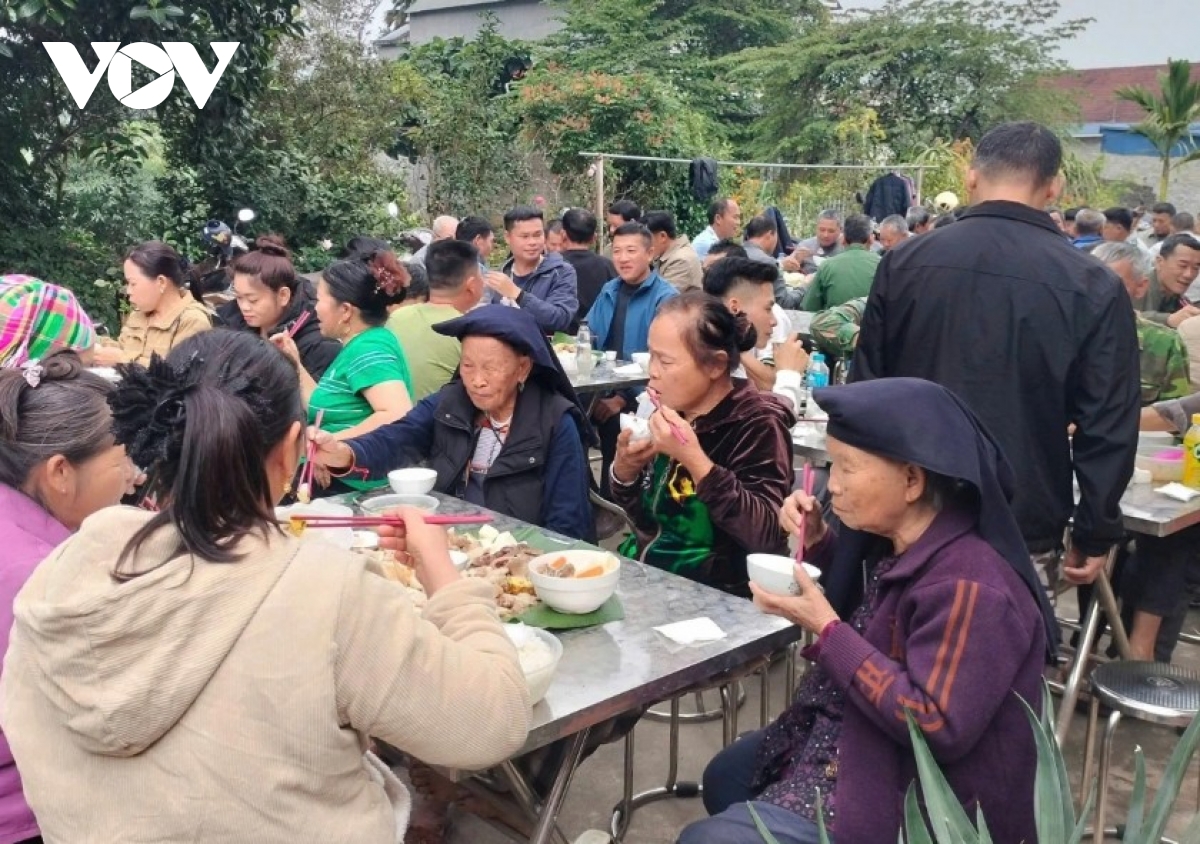
After the ritual, elders recount stories of the past to remind younger generations of their roots. Women prepare food together, and children gather around communal trays in the presence of the deities.
According to Trieu Van Vien, Tet lang is characterised by community self-management and shared agreement. Each household voluntarily contributes labour and resources. The celebration is not showy, but villagers feel responsible for preserving their customs for future generations.
Tet lang carries moral values about individual responsibility toward family and community, which is why Dao Quan Chet people in Thai Nguyen have preserved it across generations.
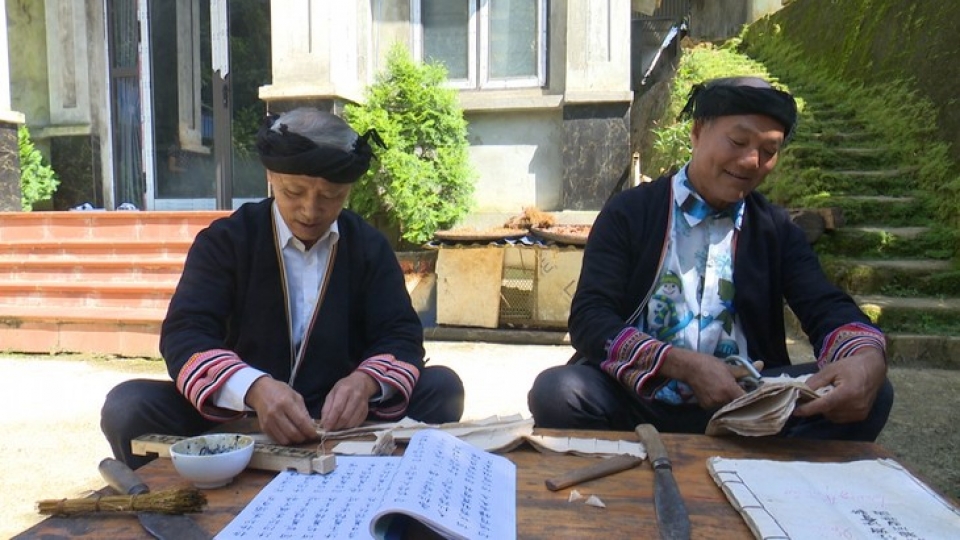
Dao ethnic people in Son La preserve cultural heritages
VOV.VN - The Dao ethnic community in Son La province have seen their material and spiritual life improve in recent years.