


Vu Lan 2026: When gratitude becomes action

VOV.VN - Vu Lan Festival 2026, an annual Buddhist observance in Vietnam held in the seventh lunar month, encourages people to honour their parents and ancestors, reflect on filial piety and turn gratitude into action in everyday life.
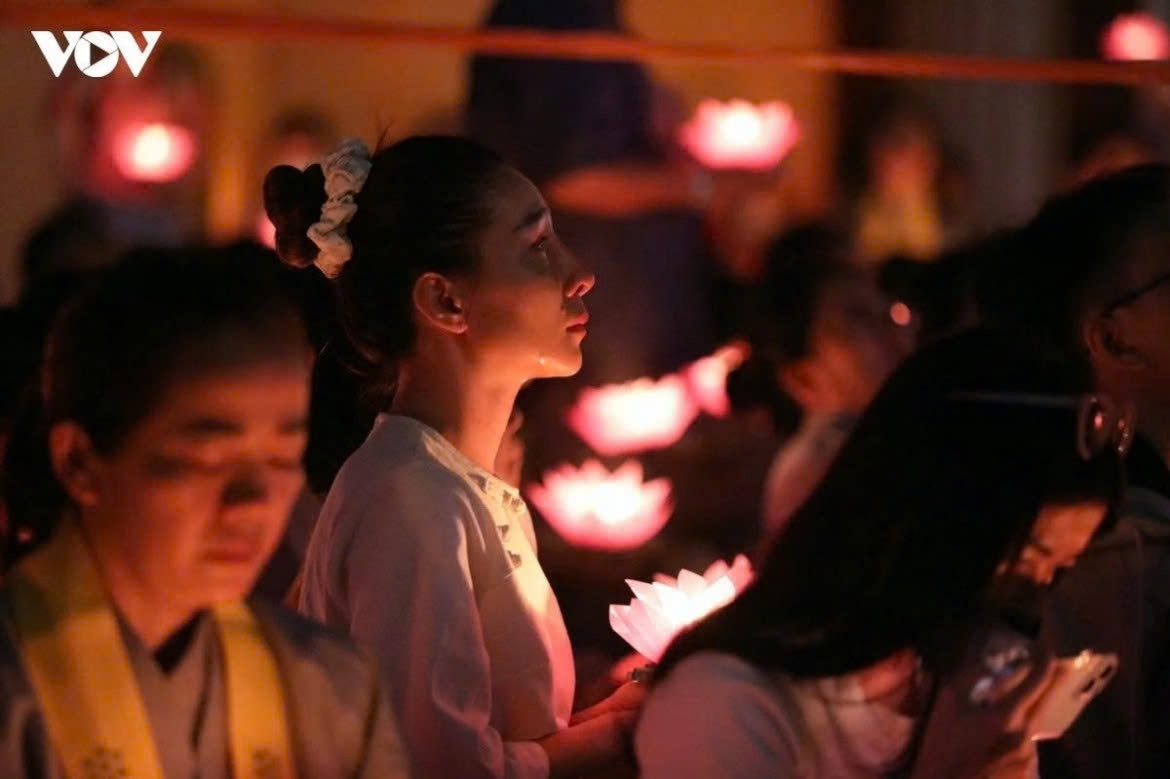
When the seventh lunar month arrives, the sound of temple bells, the scent of incense and the familiar rains of the season bring thoughts of parents, grandparents and loved ones who have passed away.
A red rose is worn by those whose parents are still alive, while a white rose is worn by those who have lost their parents. Yet between those two colours is another shade — the colour of waiting.
It is the mother still hoping that her child will one day return; the wife whose hair has turned gray beside a death notice but who has never received complete news of her loved one; the child who can only imagine a father’s face from a photograph faded by time. And it is the families of fallen soldiers who continue to wait for the day their loved ones return with their names and hometowns restored.
That is why Vu Lan is not simply a time for remembrance. Behind its rituals lies a simple reminder that gratitude only truly matters when it is turned into good deeds.
For parents who are still with us, filial piety can begin with the smallest things: a phone call made without rushing, a family meal with everyone around the table, taking a parent to a medical appointment, or simply sitting down and listening to a story told many times before.
In the digital age, people can easily post words of love for their parents on social media. Such expressions are meaningful, but no number of likes can replace coming home, holding a parent’s hand or spending time together with the phone set aside.
Old age is a goodbye that takes place very slowly. Parents grow weaker day by day, while their children may only realize it when they return home and see that their father’s back has become more stooped, their mother’s steps have grown shorter and a familiar voice has begun to tremble in the middle of a story.
That is why filial devotion should not shine only on a screen. It should be present in everyday choices, in the time we give our families and in the way we treat our parents while they can still hear us, see us and wait for us.
From family devotion to gratitude for the nation
In Vietnamese culture, however, filial piety does not stop at the family home. From gratitude to parents, that sense of gratitude extends to teachers and mentors, the homeland, the country and those who sacrificed so that later generations could live in peace.
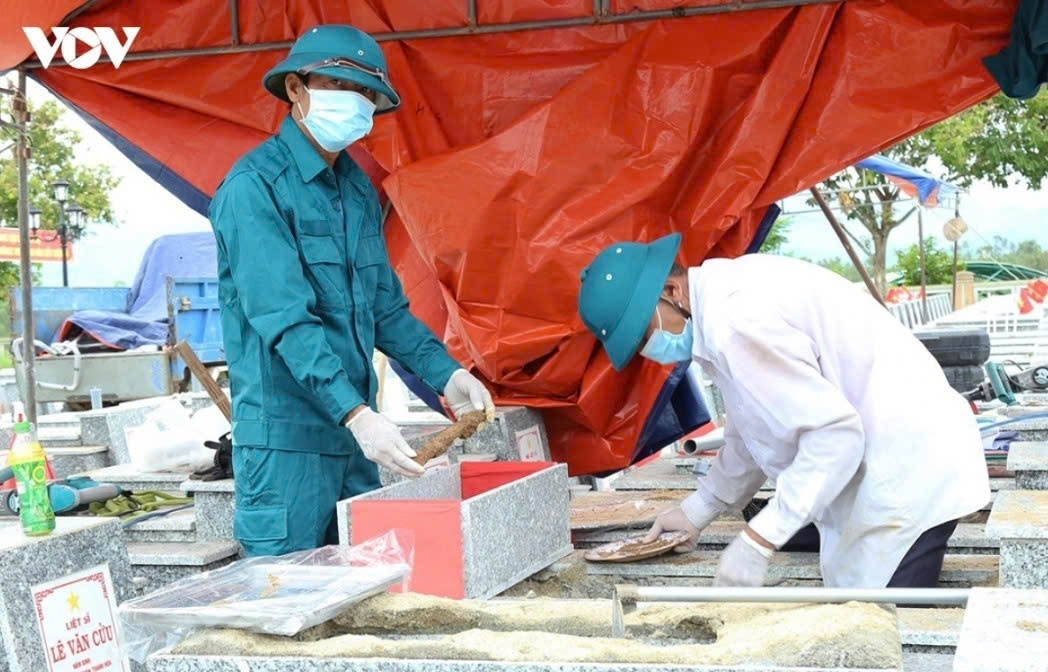
At that broader level, the 500-day campaign to search for, recover and identify the remains of fallen soldiers represents a particularly profound expression of the nation’s gratitude.
More than half a century after the war, there are still families who do not know where their loved ones are buried, remains that lack complete information, and soldiers who have yet to return with their names and hometowns restored.
The search, recovery and identification of fallen soldiers’ remains is therefore more than a technical task. It is a journey to bring those who devoted their youth to the nation back to their families and into the historical memory of the country.
An incense offering expresses remembrance. But restoring the identity of someone who sacrificed their life requires records, keepsakes, clues preserved across generations, biological samples and modern technology.
Gratitude, therefore, is expressed not only through emotion, but also through action and responsibility. Every identified grave and every set of remains returned home brings another family one step closer to ending a long wait.
For those who sacrificed their lives, it is a late but necessary homecoming. For those who remain, it is a way of saying that their contribution has not been forgotten.
Filial piety in modern life
Filial piety in modern life should also be understood through love, respect and responsibility. Children have a responsibility to care for their parents, but parents also need to respect their children’s choices and lives.
Many family distances do not begin with a lack of love, but with generations no longer understanding how the other expresses and receives affection.
A timely question, genuine listening or an apology while there is still time can sometimes mean far more than an expensive gift.
Honouring parents does not necessarily have to be measured by lavish offerings or elaborate rituals. After the incense burns out, what matters more is how the living treat one another.
Money that might otherwise be spent on unnecessary offerings can be used to buy medicine for an elderly person, help a struggling child, support a family affected by a natural disaster, care for a person who has contributed to the country or simply do something useful for the community. That is when gratitude moves from ritual to action.
From family values to a national responsibility

If the family is where people first learn filial piety, society is where that value can be extended. A community that knows how to express gratitude will care for older people, people who have contributed to the country, families of fallen soldiers, people with disabilities and other vulnerable groups.
A country that remembers those who sacrificed their lives is also a country that understands the values that have shaped its strength.
Vu Lan, therefore, is not only about those whose parents are still alive or those who have lost them. It is also an opportunity for everyone to reflect on their relationship with their roots, their community and their country.
A nation that remembers and honours its roots has a source of strength from which to face the future.
When sacrifice is not forgotten, those who are alive understand more deeply the value of peace. When older people are cared for, younger generations better understand the meaning of responsibility. And when the stories of those who came before are preserved, memory becomes part of a nation’s strength.
Vu Lan will eventually pass. The rose will eventually be removed and the incense will burn out. What matters is how we turn that gratitude into action.
It may be a phone call to a parent. A journey home. A family meal without phones. An act of kindness toward someone in need. Or an effort to bring one of the nation’s fallen sons home with his name and identity restored.
In the end, Vu Lan is not only a season of remembrance. It is a season when gratitude steps beyond ritual and becomes action.
From filial piety within the family to gratitude toward those who sacrificed for the country, that sense of gratitude connects the living with the dead, the present with history, and individual lives with the shared destiny of the nation.
That is Vu Lan as experienced by a nation, through remembering its roots, honouring the past and living responsibly toward the future.
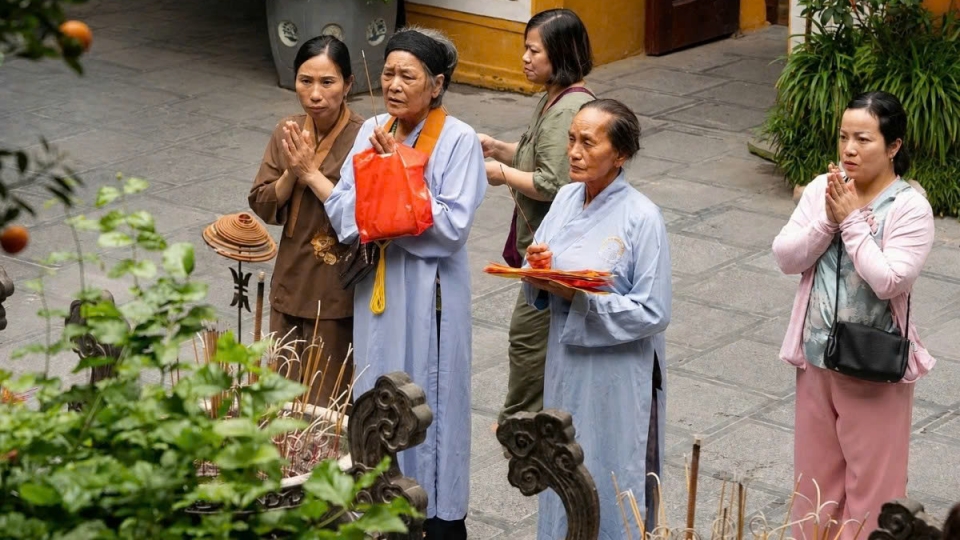
Hanoi pagodas fill with worshippers for Vu Lan Festival
VOV.VN - Large crowds of Buddhists and residents have visited pagodas across Hanoi during the seventh lunar month to honour their parents and ancestors, offer prayers for family well-being and mark the Vu Lan Festival.


