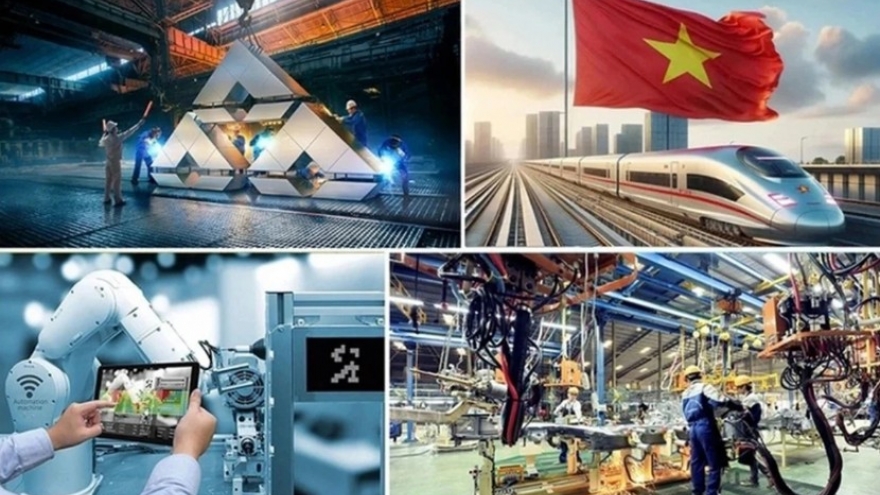
Vietnam places science, technology and innovation at the centre of growth

VOV.VN - Vietnam in 2025 is stepping up support for research and cooperation, removing bottlenecks and creating a more open environment for innovation under Resolution 57 issued by the Politburo on science, technology and national digital transformation.
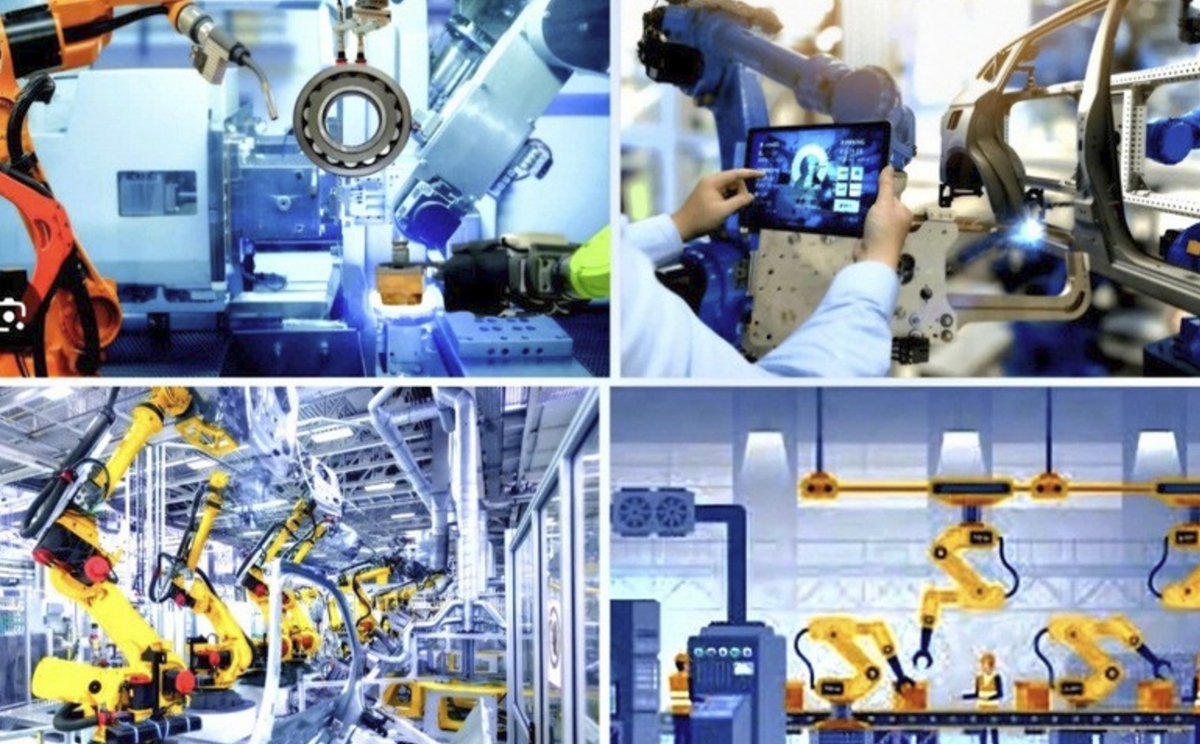
Initial implementation steps have already shown early signs of change in research investment and cooperation promotion, with the aim of turning knowledge into tangible economic value. However, experts note that the path toward this goal remains challenging and will require strong political resolve at all levels.
Speaking to the press in Singapore, Professor Vu Minh Khuong of the Lee Kuan Yew School of Public Policy said that Resolution 57 contains several notable highlights and provides momentum for Vietnam’s policy direction in 2025.
These include establishing a unified policy framework and a breakthrough vision for science and technology, innovation, and digital transformation; identifying these fields as the country’s leading growth driver; shifting the focus toward endogenous capacity, technological autonomy, and knowledge self-reliance; positioning data and artificial intelligence as new strategic national infrastructure; introducing strong mechanisms to mobilize social and private resources as well as the innovation ecosystem; linking digital transformation in the public sector with the modernization of national governance; and prioritizing the development of elite human resources alongside research infrastructure meeting international standards.
Professor Vu Minh Khuong also pointed out several areas that require greater attention in the implementation of Resolution 57 in the period ahead.
Among the issues that require greater attention are the need for a “single-window, single-accountability” strategic coordination mechanism, robust financial instruments to spur innovation, a further narrowing of priority areas, and stronger mechanisms for outcome-based evaluation and progress oversight.
He said the resolution is decisive and well-directed, but to achieve genuine breakthroughs in science and technology, innovation, and digital transformation, Vietnam must shift from “expanding the list of priorities” to “concentrating resources, strengthening coordination, building core capabilities, and assessing results based on impact.”
Meanwhile, Associate Professor Dr. Duong Minh Hai of the National University of Singapore said Resolution 57 is not merely a policy guideline. For those directly engaged in scientific research, it functions more like a “key” to addressing long-standing bottlenecks in science and technology activities.
By moving away from the mindset that research must always succeed-one that previously discouraged scientists from pursuing high-risk, high-impact topics, Resolution 57 has begun to recognize risk accounting as an inherent part of innovation.
This shift has paved the way for sandbox-style experimentation, allowing selected legal mechanisms related to emerging technologies such as artificial intelligence, blockchain, and financial technology (fintech) to be piloted under controlled conditions.
Another clear contrast in 2025 compared with earlier periods, he noted, is the move from broad-based, dispersed investment across multiple sectors to focused, in-depth investment in a limited number of top-priority fields, including semiconductor technology, artificial intelligence, digital transformation, and green technologies.
New technologies are also being adopted more quickly in everyday life, with visible examples seen at street intersections across cities.
Despite this optimism, Associate Professor Duong Minh Hai stressed the need for realism in assessing the challenges Vietnam must overcome to achieve the expected breakthroughs. First is the impact of policy lag during the period required to draft and issue detailed implementing circulars, which can lead to hesitation at the grassroots level and the phenomenon of “heated directives at the top, inertia below.”
Second is the shortage of high-quality human resources, particularly the acute lack of chief systems architects, alongside ongoing brain drain. Third is the weak and fragmented linkage among research institutes, universities, and businesses, largely due to misaligned objectives: researchers pursue academic rigor, while enterprises prioritize immediate commercial returns. In addition, legal bottlenecks in valuing intellectual property derived from state-funded research continue to hinder technology transfer.
As a result, businesses tend to favor turnkey technology imports, while many valuable Vietnamese research outcomes remain unused due to the absence of professional market-oriented commercialization mechanisms.
Associate Professor Duong Minh Hai emphasized that to realize its ambition of becoming a technology-driven nation and an indispensable link on the global map, Vietnam must undertake a “dual revolution.”
This entails a decisive breakthrough in domestic institutions, moving away from control-oriented governance toward coordination and facilitation, while also redefining technology diplomacy to enable more direct contributions to global efforts.
In that context, science and technology, innovation, and digital transformation will serve as the “key,” enabling Vietnam and the region to move toward a future of prosperity, stability, and sustainable development.
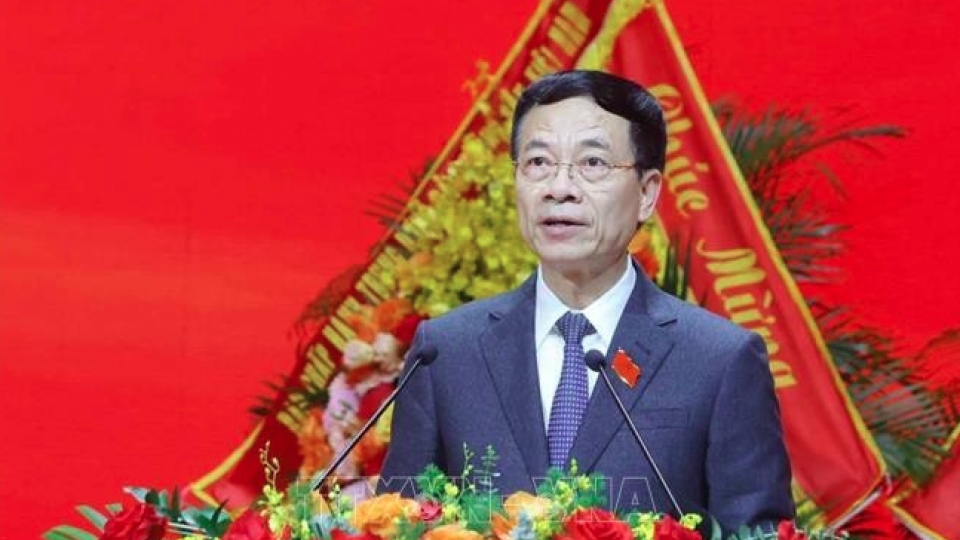
Science, technology, digital transformation – key drivers of national development
Science, technology, innovation, and digital transformation are set to become the central drivers of Vietnam’s sustainable growth in the coming decades, heard the first Congress of the Government’s Party Organisation on October 13.
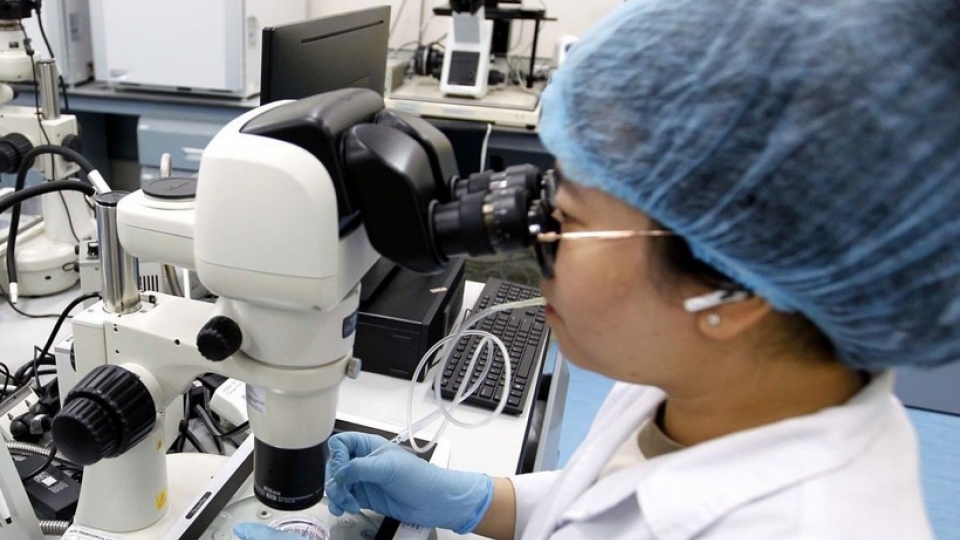
Policies issued to attract experts in science, technology, digital transformation
The Government has issued Decree No. 249/2025/ND-CP, setting out mechanisms and policies to attract experts in the fields of science, technology, innovation and digital transformation.