


Vietnam halves Global Multidimensional Poverty Index in 7 years: UNDP

VOV.VN - Vietnam has halved its Global Multidimensional Poverty Index (MPI) value in seven years, placing the country among those making rapid progress in tackling multidimensional poverty, according to the United Nations Development Program (UNDP)
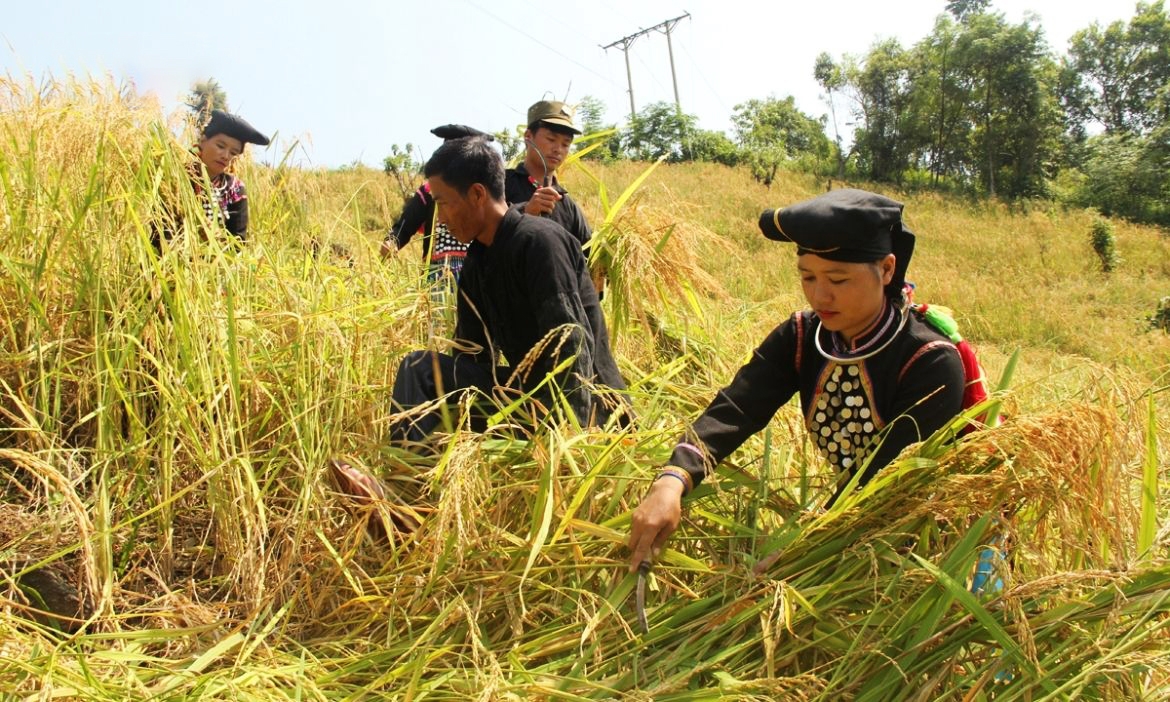
The achievement is highlighted in the 2026 Global Multidimensional Poverty Index: Statistical Update, released on October 12 and published by the United Nations Development Program and the Oxford Poverty and Human Development Initiative.
It demonstrates that substantial progress in addressing poverty beyond income is possible, even as multidimensional poverty has risen globally for the first time since the index was launched in 2010.
According to UNDP, Vietnam halved its MPI value within seven years. China achieved the same milestone in four years, with its multidimensional poverty rate falling from 9.5% to 4.2% between 2010 and 2014. China recorded the fastest MPI reduction among countries with comparable data, the report said.
Vietnam’s progress is significant because the global MPI captures overlapping disadvantages in health, education and living standards, rather than income alone. Halving the MPI value, however, does not necessarily mean that the number of people living in poverty has also fallen by half. The index reflects both the proportion of people experiencing multidimensional poverty and the intensity of their deprivation.
Global multidimensional poverty on the rise
Against the progress recorded by countries such as Vietnam, the latest report highlights the scale of the remaining global challenge. An estimated 1.2 billion people across 108 developing countries are living in acute multidimensional poverty, equivalent to 18.9% of the 6.3 billion people covered by the assessment. This represents an increase of 51.5 million people compared with the previous update on a like-for-like basis.
Children account for 617 million, or 51.5%, of those living in multidimensional poverty, while 83 per cent of the total live in rural areas. These figures underscore the persistent challenges associated with inadequate nutrition, limited access to education and a lack of essential services.
UNDP Administrator Alexander De Croo said the rise in poverty should be a wake-up call for the world. He noted that the figures represent 1.2 billion people facing overlapping hardships, including hunger, missed schooling and a lack of clean water or electricity. However, he stressed that the situation was not inevitable and that progress was possible when countries addressed these challenges together rather than in isolation.
Measuring poverty beyond income
Unlike income-based measures, the global MPI assesses poverty through overlapping deprivations across three dimensions: health, education and standard of living. It uses 10 weighted indicators, covering nutrition, child mortality, years of schooling, school attendance, cooking fuel, sanitation, drinking water, electricity, housing and household assets.
Under this methodology, people are considered multidimensionally poor if they experience deprivation in at least one-third of the weighted MPI indicators. The index therefore captures not only the scale of poverty but also the severity of the disadvantages people face in their daily lives.
The 2026 update shows that 33 of the 89 countries with MPI trend data have halved their MPI values in fewer than 15 years, demonstrating that substantial progress in reducing multidimensional poverty is possible. The findings demonstrate that, although reducing multidimensional poverty remains a major challenge, sustained progress is achievable.
UNDP also cautions that changes in global estimates should be interpreted carefully. This year's update incorporates new surveys from 13 countries. In the 95 countries without new survey data, updated population estimates alone increased the number of people counted as multidimensionally poor by 15.8 million. The overall change also reflects the combined effects of poverty incidence, demographic shifts and differences in indicator coverage between survey rounds.
Vietnam’s continued progress in poverty reduction
Vietnam’s achievement in the global MPI assessment forms part of a broader national effort to improve living standards and expand access to essential services. According to preliminary Vietnamese Government figures for 2025, the country’s multidimensional poverty rate fell to approximately 1.3% of households, down by one percentage point from 2024. The rate had declined from 4.4% in 2021, highlighting Vietnam’s continued progress in poverty reduction during the 2021–2025 period.
Beyond reducing poverty rates, Vietnam’s approach to poverty reduction also seeks to address the disadvantages that affect people’s daily lives, particularly in vulnerable communities. Sustained improvements in education, health care, housing and access to essential services remain important to ensuring that the benefits of socio-economic development reach those most in need.
Looking ahead, Vietnam has set a further poverty reduction target under its 2026 socio-economic development plan, approved by the National Assembly in November 2025. The plan aims to reduce the multidimensional poverty rate by 1–1.5 percentage points, underscoring the country’s commitment to inclusive growth and stronger social protection. The target builds on progress made in recent years and reinforces the importance of translating economic development into lasting improvements in people’s lives.

Vietnam moves toward 2030 SDGs with strong progress in poverty reduction
VOV.VN - As part of its commitment to the 2030 Agenda for Sustainable Development, Vietnam has pledged to achieve the Sustainable Development Goals (SDGs), including the goal of ending poverty in all its forms everywhere.


