


Vietnam-Canada science and technology cooperation embraces new opportunities

VOV.VN - The upgrade of Vietnam-Canada relations to a strategic partnership opens up new cooperation space in science, technology, and innovation, with many fields capable of transitioning from potential into specific programs and projects.
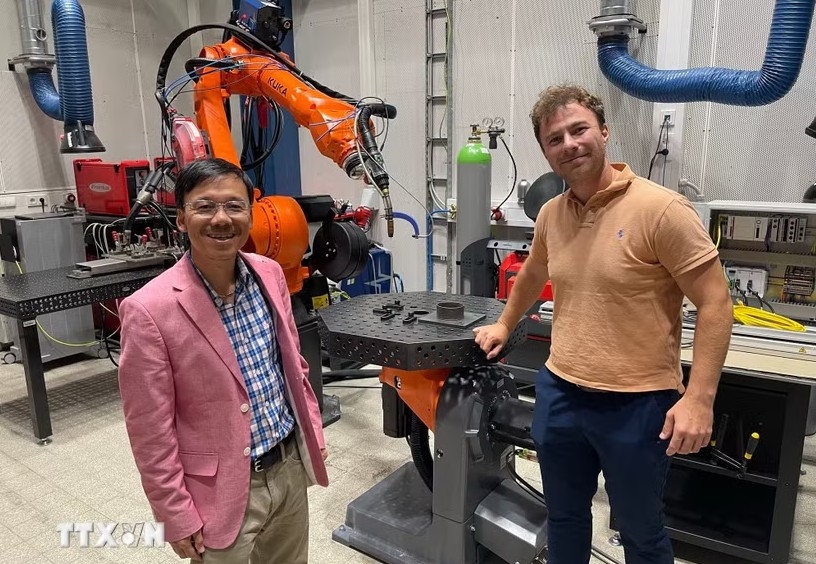
Speaking to the press in Canada following a meeting with General Secretary of the Communist Party of Vietnam Central Committee and President To Lam, Associate Professor Vu Viet Hung, President of the Network of Canadian Vietnamese Scientists and Experts Association (CVSEA), stated that the most prominent message was the high-ranking leaders's regard for the intellectual resources of the overseas Vietnamese community.
The guiding spirit affirms that overseas Vietnamese experts and scientists constitute a vital resource for science and technology development and the country's socio-economic innovation.
Building on this orientation, CVSEA is expected to evolve into a stronger connectivity network, acting as science and technology ambassadors in Canada while supporting and mentoring the young Vietnamese generation to maintain a long-term succeeding workforce.
Notably, the meeting also set out the requirement to strengthen cooperation among experts, scientists, and businesses to jointly tackle major issues facing Vietnam, particularly strategic technologies capable of creating breakthroughs. Alongside long-term orientations, cooperation must be materialized through projects yielding clear results and value for all participants.
He noted that opportunities for this cooperation direction lie within the Vietnam-Canada strategic partnership framework, in which science and technology serves as a core pillar while supporting other fields such as energy, transport, trade, investment, culture, and education.
Examining practical implementation capabilities, Associate Professor Vu Viet Hung, who currently teaches at the Royal Military College of Canada, pointed out three key cooperation areas.
First is energy, environment, and sustainable development. Canada's major strengths in energy, combined with Vietnam's need to ensure energy security, provide the foundation for businesses, universities, and research institutes from both sides to cooperate in developing and transferring technology for the extraction, conversion, and storage of liquefied natural gas (LNG) and hydrogen, as well as the processing and transport of critical minerals coupled with environmental protection.
Second is digital technology, artificial intelligence (AI), and innovation. Canada's in-depth research foundation, paired with Vietnam's advantages in human resources, market scale, and rapid application capacity, will help resolve national-level challenges while assisting small and medium-sized enterprises in upgrading production and accessing the international innovation ecosystem.
Innovation also offers ample room for cooperation, particularly for Vietnamese universities, professional associations, and enterprises seeking to access Canada's experience, models, and innovation ecosystem.
Third is dual-use technologies related to defence and security in the aerospace sector. Potential directions include airspace security control, communications in maritime and island regions, aircraft manufacturing technology, low-orbit satellites, and pilot training simulation models. In these fields, CVSEA can assume various roles, ranging from advising and connecting universities, research institutes, and enterprises of the two countries to directly participating as a partner in specific projects.
Assessing development prospects, Associate Professor Vu Viet Hung remarked that Canada's implementation of its Indo-Pacific Strategy alongside the new strategic partnership framework creates a highly favorable foundation.
However, to realize commitments, he recommended that Vietnam be more proactive regarding financial mechanisms, offer favorable conditions for enterprises to participate in technology commercialization, and flexibly apply the "problem-setting and solution-finding" mechanism based on practical demands to attract scientists and enterprises from both countries to cooperate.
This approach applies across scientific research, technology transfer, and business cooperation. Establishing such mechanisms will allow the science and technology potential within the Vietnam-Canada strategic partnership framework to gradually turn into specific programs, projects, and specific results.
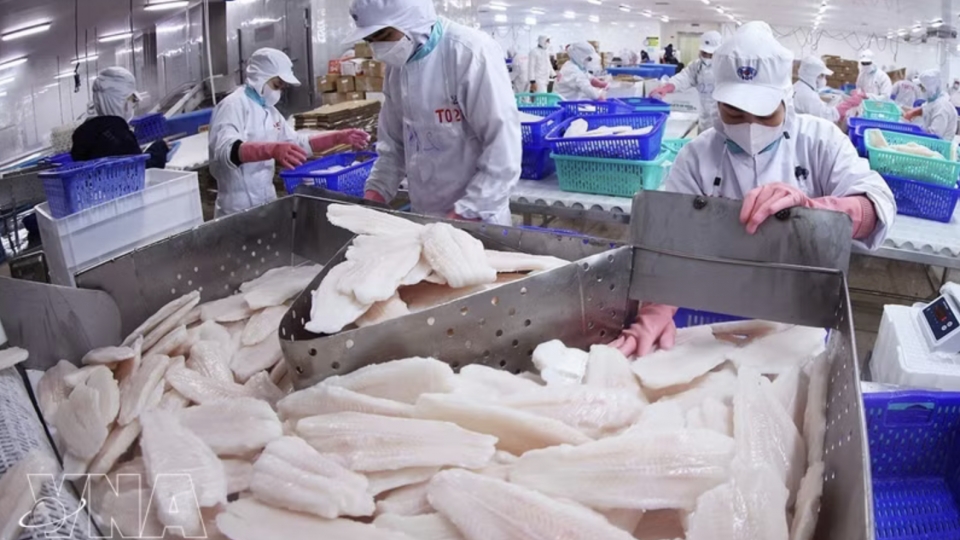
Vietnam, Canada unlock new cooperation opportunities
Vietnam and Canada are entering a broader phase of strategic cooperation, with their newly established Strategic Partnership opening opportunities beyond trade and people-to-people exchanges to supply chains, advanced technologies, energy security, defence and maritime security.
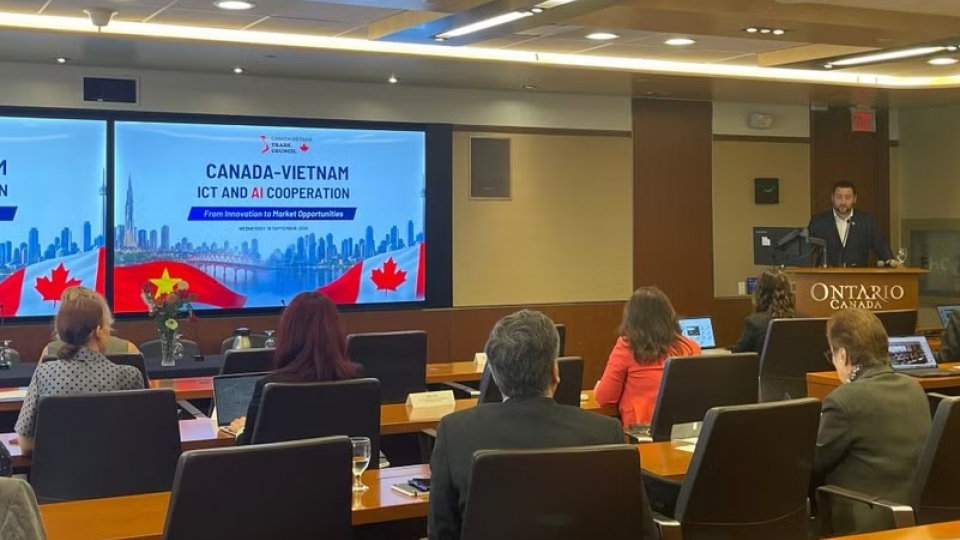
Vietnam-Canada strategic partnership creates new space for broader cooperation
The upgrading of relations between Vietnam and Canada to a Strategic Parnership not only broadens the framework for cooperation but also creates conditions for Vietnam to engage more deeply in Canada’s efforts to strengthen its links with the Indo-Pacific, insiders have said.


