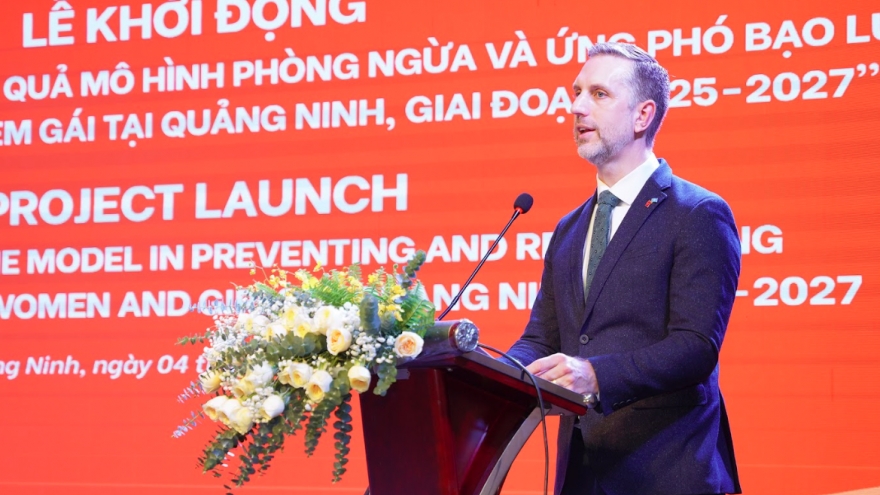
UNFPA works to contribute to Vietnam’s health, demographic priorities

UNFPA’s work in Vietnam is centred on ensuring that every pregnancy is wanted, every childbirth is safe, and every young person’s potential is fulfilled, said UNFPA Representative in Vietnam Matt Jackson.
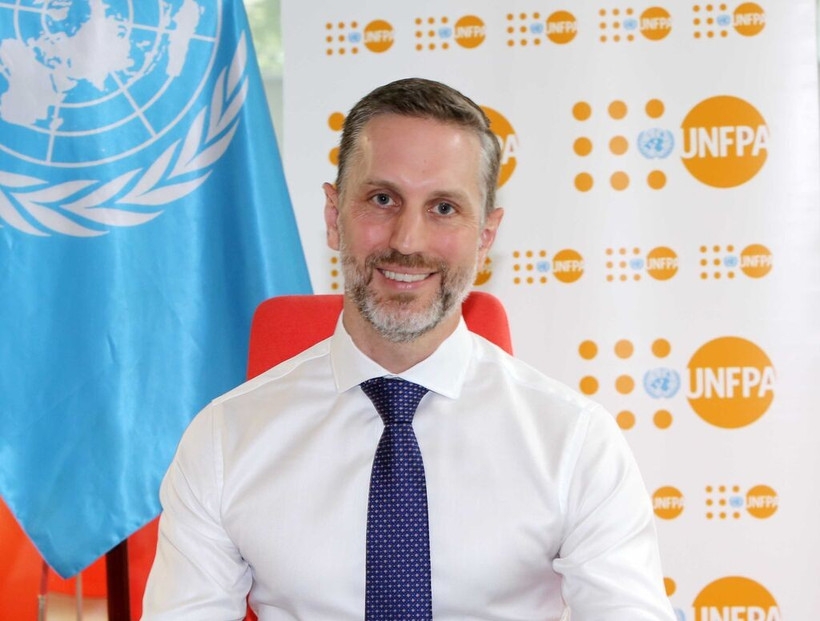
In an interview granted to the Vietnam News Agency on the occasion of Lunar New Year 2026, Jackson said UNFPA supports the government of Vietnam to achieve its goals in areas such as maternal healthcare, gender equality, prevention of gender-based violence, population issues, including demographic data and Vietnam’s rapidly ageing population as well as sexual and reproductive health and youth empowerment.
“UNFPA focuses its work on the most vulnerable and those furthest behind to contribute to Vietnam’s health and demographic priorities,” he stressed.
For example, UNFPA is working with the Ministry of Health to strengthen the quality of maternal and newborn care nationwide with a focus on regions with high ethnic minority populations. Over the past year, UNFPA has supported MoH to develop national standards and guidelines on sexual and reproductive health and rights (SRHR) including emergency obstetric care and cervical cancer screening as well as the development of national action plans on maternal health, adolescent reproductive health and cervical cancer prevention.
At the local level, this translates into UNFPA working directly with 60 communes with large ethnic minority populations. Here, it supports local health departments and clinics to initiate Village Birth Attendant schemes, provide training, advice and equipment to health centres and support pregnant women with funds to ensure they receive antenatal care and can deliver safely in a hospital.
According to Jackson, ending gender-based violence (GBV) and harmful practices is one of UNFPA’s three transformative results. In Vietnam, UNFPA supports the Government to prevent and respond to GBV in all its forms including domestic violence, harmful practices such as gender-biased sex selection and child marriage, and emerging and increasingly complex forms of online or digital violence.
He pointed out that violence is increasing in digital spaces across the world. Technology-facilitated gender-based violence (TFGBV) - including online harassment, stalking, monitoring, threats, impersonation, image-based abuse and the non-consensual sharing of intimate images — is often used as an extension of intimate partner and domestic violence, reinforcing patterns of control, coercion and harm.
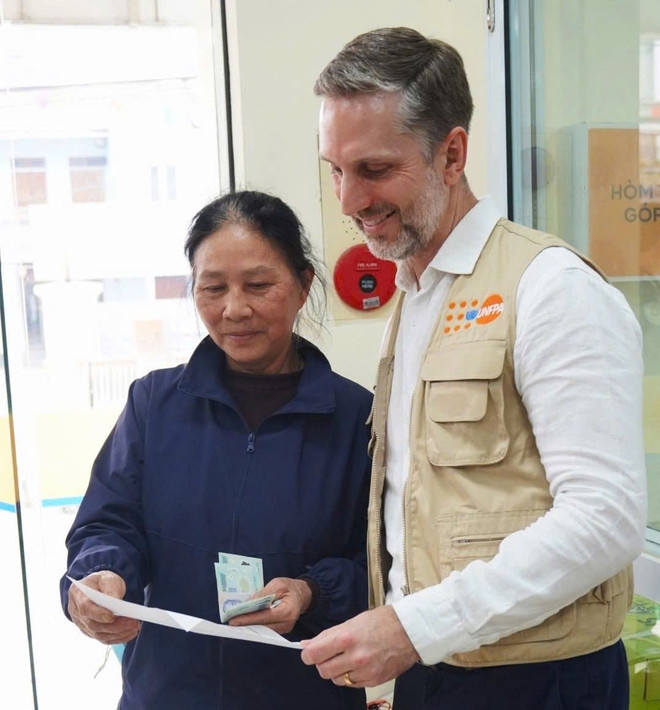
UNFPA is supporting the Government of Vietnam to address these challenges through a comprehensive, survivor-centred and rights-based approach, he said.
“We work closely with national and local partners to strengthen response systems so that frontline service providers can identify, document and respond effectively to digital violence, including GBV hotlines and the expansion of One-Stop Service Centres (Ngoi Nha Anh Duong), which provide coordinated health, psychosocial, legal, protection and referral services, including for survivors of technology-facilitated domestic violence.”
UNFPA also supports efforts to operationalise and strengthen the national toll-free, three-digit hotline on domestic violence to improve accessibility for all survivors. At the policy level, UNFPA is strengthening the evidence base to inform the implementation of the Law on Domestic Violence Prevention and Control and related sublaws and frameworks to ensure that responses are gender-responsive, survivor-centred and equipped to safely handle digital evidence.
Prevention is a critical pillar of this work. Aligning with the spirit of the Hanoi Convention on Cybercrime, UNFPA invests in digital literacy, online safety and critical thinking for women, girls and young people, while advocating for safety-by-design approaches and stronger accountability of digital platforms.
Regarding Vietnam’s rapid population aging, he said UNFPA works with government line ministries and agencies to adopt a rights-based and life-course approach that promotes healthy, active and dignified ageing.
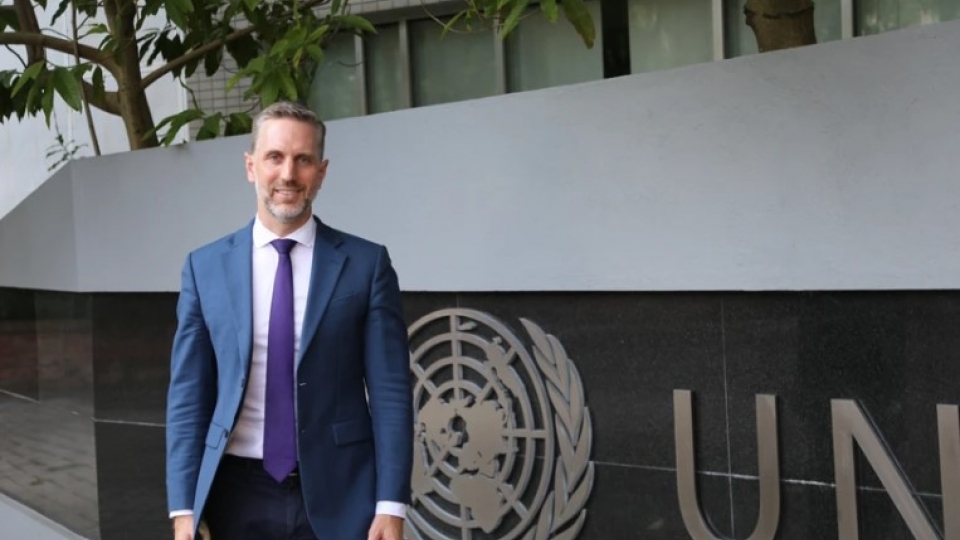
UNFPA ready to support Vietnam’s journey toward sustainable development
UNFPA Representative in Vietnam Matt Jackson has affirmed UNFPA’s readiness to support Vietnam’s journey toward sustainable development by leveraging population data, fostering strong partnerships, and building resilience in a rapidly changing world, in an interview with the Vietnam News Agency (VNA).