


Unemployed workers getting training support surges nearly 63%

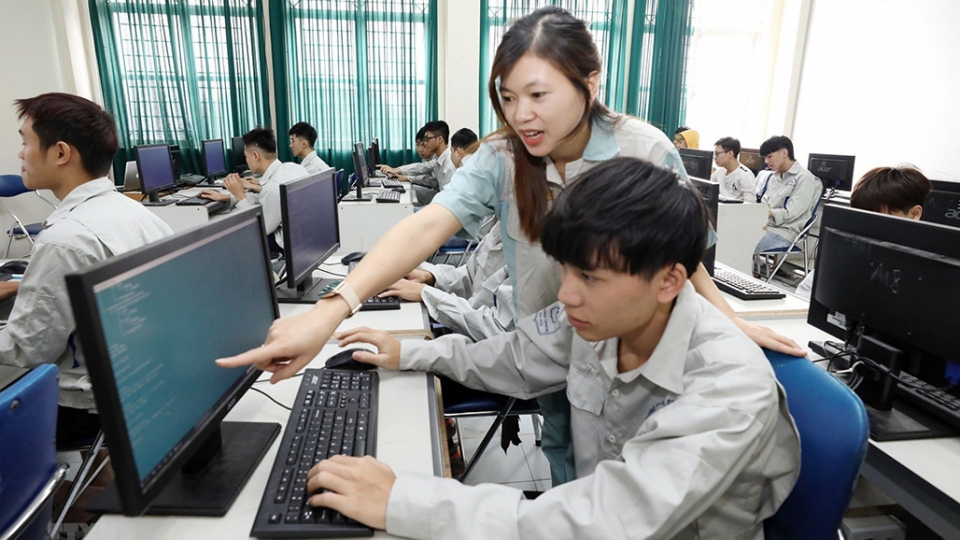
Support for vocational training and skills improvement recorded a sharp rise in the first 10 months of this year, with 30,008 people receiving training support, up 62.98% year on year, and the funding approved for such assistance exceeding VND147.8 billion (US$5.76 million), an increase of 74.04%.
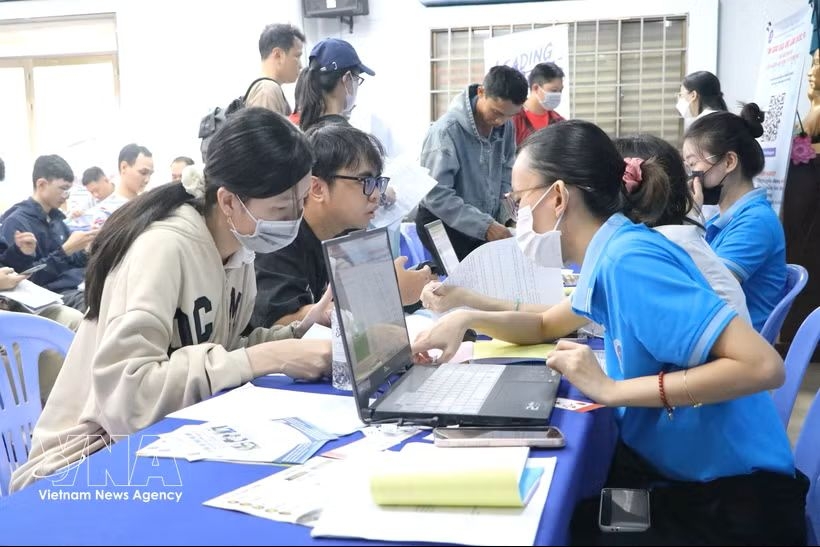
According to the Department of Employment under the Ministry of Home Affairs, 705,970 people nationwide were approved for unemployment benefits in the period, up 4.48% from the same period last year. Total unemployment benefit payments approved exceeded VND19.9 trillion (US$772.25 million), a rise of 9.93%.
Alongside financial assistance and vocational training, job counselling and placement services were also stepped up. Nearly 2.35 million consultations and job placements were provided during the 10-month period, up 30.19% from a year earlier.
An analysis of unemployment benefit applicants by technical and professional qualifications showed that those without degrees or certificates continued to make up the largest share. In the third quarter of 2026, this group represented 61.2% of all applicants, while university graduates accounted for 19%, college graduates 7.3%, intermediate-level graduates 7%, and those holding elementary vocational certificates 5.5%.
Tran Tuan Tu, head of the department's Unemployment Insurance Division, said the amended Employment Law, which took effect on January 1, 2026, introduced a range of changes to improve the unemployment insurance system and deliver practical benefits to both workers and employers.
According to him, unemployment insurance policies are designed not only to provide financial support to workers who lose their jobs through unemployment benefits, but also to focus on career counseling, job placement, training assistance and vocational skills development. These measures aim to expand workers’ employment opportunities, help them adapt to labour market demands and facilitate their return to work.
The new regulations also aim to broaden social security coverage, strengthen unemployment prevention and make unemployment insurance benefits more accessible and flexible for both employees and employers.
Vietnam’s unemployment rate reported at 2.3%
Some 68.7% of 51.9 million people of working age are employed, not counting those in the informal sector, while the unemployment rate stays low at 2.3%, according to the Ministry of Labor, Invalids and Social Affairs.

